


Mortal Shell II is only days away from its August 20, 2026 release, but its Open Beta already gives us a surprisingly substantial look at what Cold Symmetry has changed since the original.
After spending time looking through the beta experience and current gameplay impressions, the biggest takeaway is simple: Mortal Shell II feels less like “Mortal Shell, but bigger” and more like the game the first Mortal Shell was trying to become. Combat is faster, exploration is broader, and the Shell system finally has a much larger sandbox around it.
So, is Mortal Shell II actually worth buying? Here is what stands out so far.
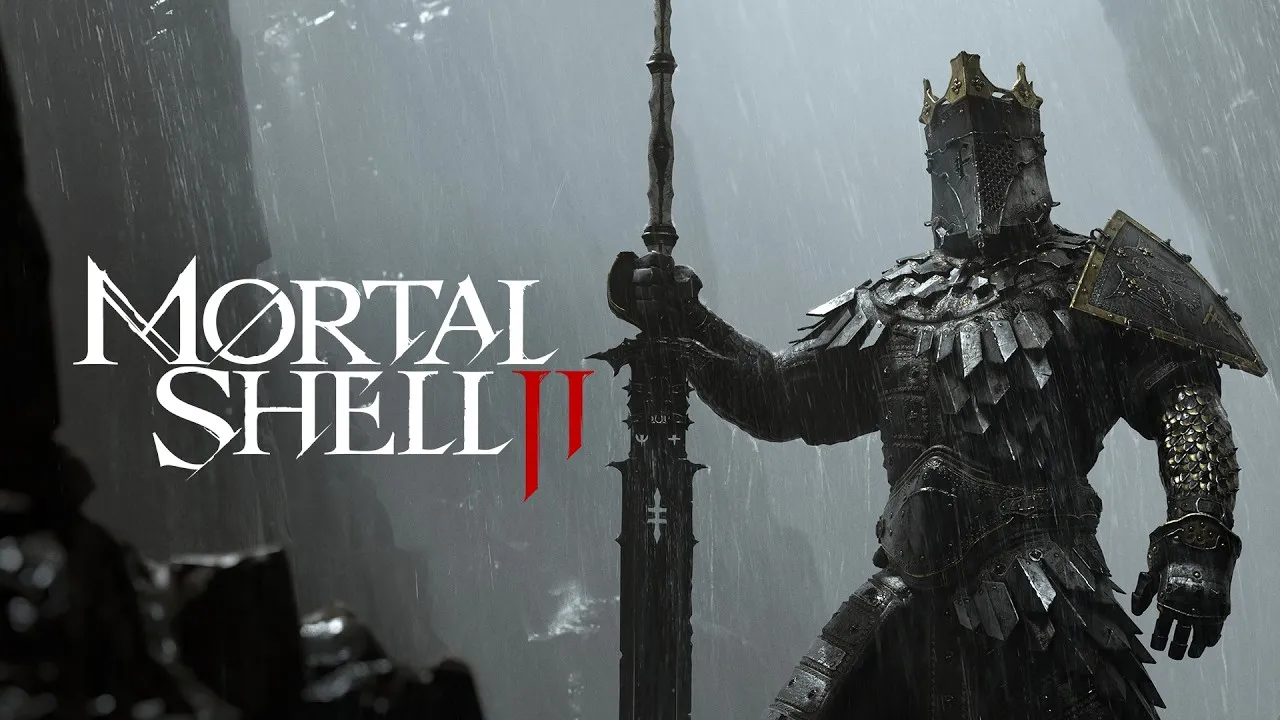
Note: This review is primarily based on the Mortal Shell II Open Beta and pre-release gameplay. The final version may receive balance, performance, and content changes before release.
Related CDKEY and Gift Cards
Mortal Shell II Review at a Glance
|
Category |
Rating |
Quick Take |
|
Combat |
⭐⭐⭐⭐⭐ 4.5/5 |
Faster, heavier and much more flexible |
|
Shell & Build Variety |
⭐⭐⭐⭐⭐ 4.5/5 |
One of the game's strongest ideas |
|
Exploration |
⭐⭐⭐⭐☆ 4/5 |
Much more open without feeling needlessly huge |
|
Bosses & Enemies |
⭐⭐⭐⭐☆ 4/5 |
Strong visual design and satisfying encounters |
|
Visuals & Atmosphere |
⭐⭐⭐⭐⭐ 4.5/5 |
Grotesque dark fantasy at its best |
|
Performance / Polish |
⭐⭐⭐☆☆ 3.5/5 |
Still some Beta roughness |
|
Overall |
8.5/10 |
A major step up from the original |
The Biggest Improvement: Combat Finally Feels Free
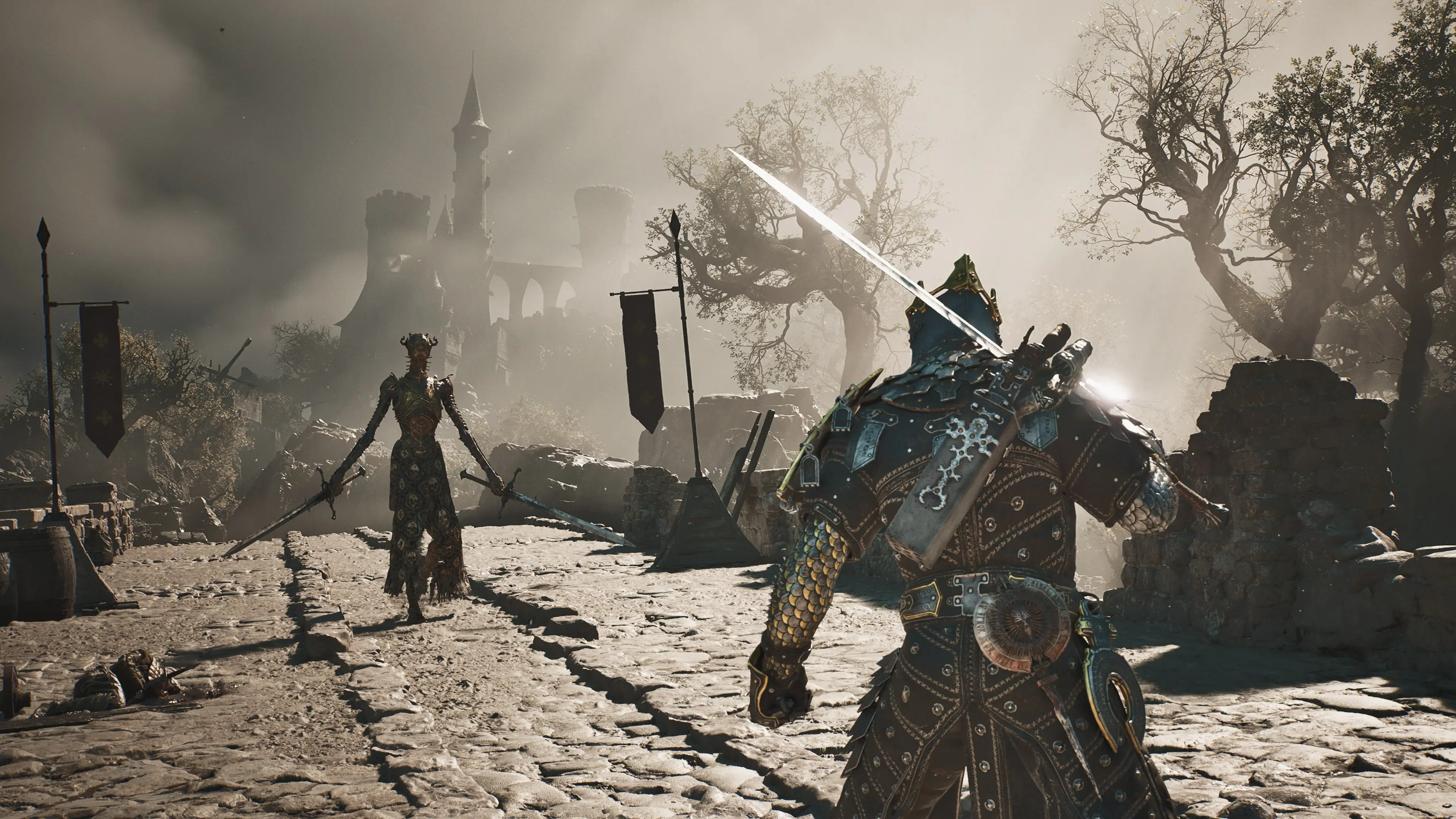
If you played the first Mortal Shell, you probably remember how deliberately heavy everything felt.
That weight was part of its appeal, but it could also make combat feel restrictive. You attacked, watched your stamina, backed off, waited, then went in again.
Mortal Shell II removes the stamina bar entirely.
That sounds like a dangerous change for a Soulslike. Unlimited dodging and attacks could easily destroy the tension of combat. In practice, however, it changes the rhythm rather than simply making the game easy.
You can stay much more aggressive.
Instead of constantly staring at a green bar, you're watching enemy animations, spacing, posture and attack windows. You can dodge around a target, keep a combo going, reposition and immediately punish an opening.
Cold Symmetry describes the system as stamina-free combat built around breaking enemy posture and landing critical attacks, and that philosophy is immediately noticeable in the Beta.
It feels quicker than the original without becoming weightless.
Harden Still Makes Mortal Shell Feel Different
Thankfully, removing stamina does not mean Mortal Shell II has abandoned the mechanic that gave the original its identity.
Harden is still one of the most satisfying defensive tools in the game.
Rather than functioning like a traditional shield, it lets you temporarily turn your character into stone, absorbing an incoming hit.
The interesting part is that you can Harden during an attack animation.
You can begin a heavy swing, Harden as an enemy attacks, absorb the blow and then finish your own attack immediately afterward.
That creates a different kind of timing game from simply rolling through every attack.
And once you start mixing Harden, dodges, parries, light attacks and heavy attacks together, combat begins to develop a surprisingly strong flow.
It still has the slow, brutal impact expected from Mortal Shell, but you are spending much less time waiting for permission to attack.
Ranged Weapons Are More Than a Gimmick
One of my favorite additions is the expanded use of sidearms.
Soulslikes have experimented with guns before, but ranged weapons often feel separated from the real combat system. You pull one out, fire from a distance, and then return to melee.
Mortal Shell II makes them feel much more naturally connected.
You can combine melee pressure with firearms and other sidearms to interrupt or punish enemies, giving fights a much more aggressive rhythm. Officially, Cold Symmetry has confirmed that powerful sidearms form part of the expanded combat and upgrade system.
The result can occasionally feel like someone looked at a traditional Soulslike and asked:
“What if we just gave this guy a shotgun?”
And somehow, it works.
It also gives you more options when an enemy is sitting just outside melee range. Instead of awkwardly chasing it around or waiting for it to attack first, you have another tool to control the encounter.
This is particularly important because the removal of stamina already encourages aggression. The firearms push that philosophy even further.
Shells Are Still the Heart of the Game
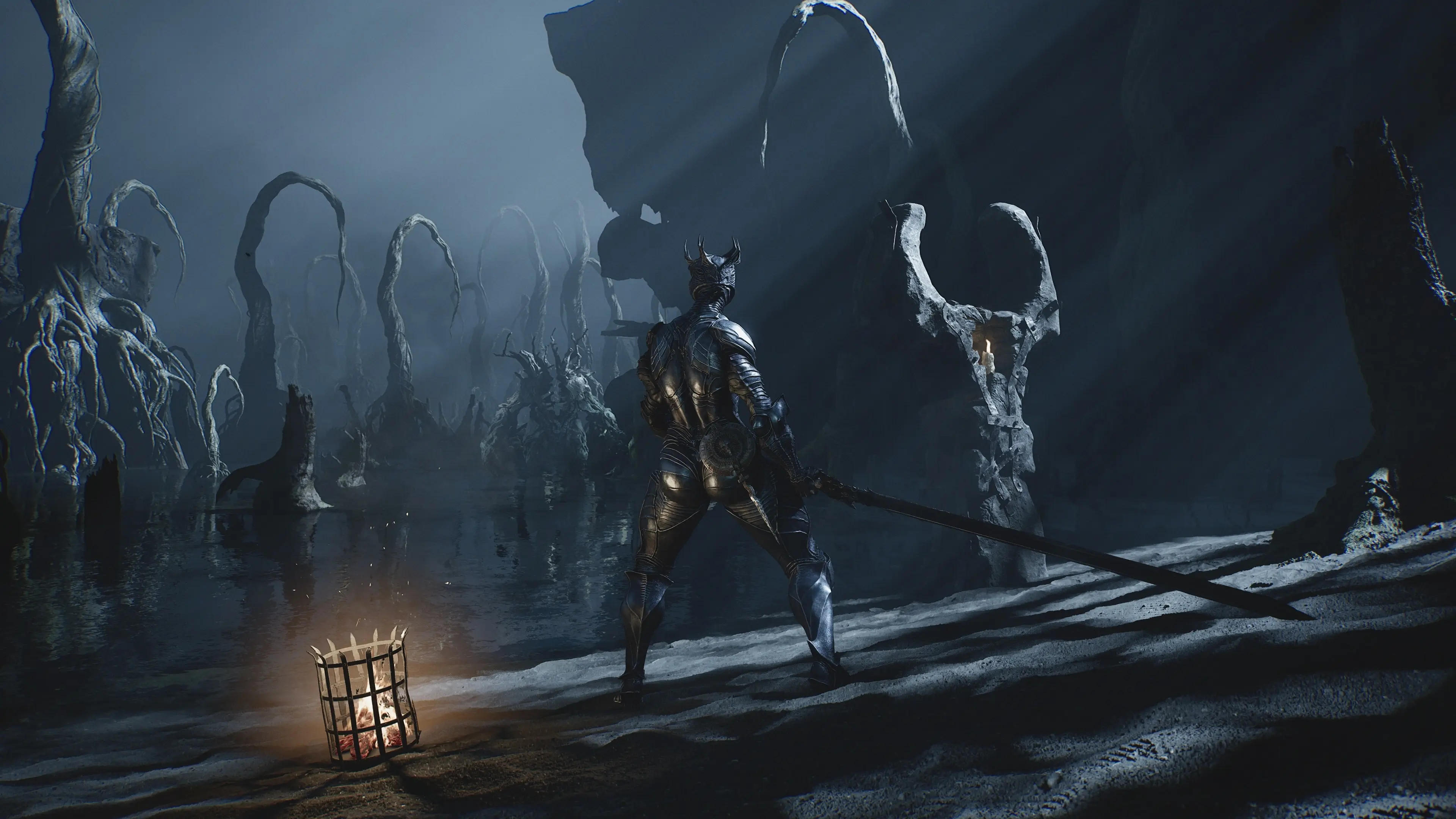
Mortal Shell II isn't built around conventional classes.
Instead, the Harbinger can possess the bodies of fallen warriors known as Shells, each providing its own abilities and playstyle.
The full game will include eight playable Shells, significantly expanding your options compared with the first game.
The Beta naturally only shows part of that system, including Tiel the Acolyte, so it is too early to judge the full balance between all eight Shells.
Still, the foundation is strong.
Instead of picking Strength, Dexterity or Mage on a menu and then being stuck with that character, Mortal Shell II makes your character build feel like something physically embedded in the world.
Find another Shell.
Possess it.
Learn what it can do.
Build around it.
That sense of discovery fits the expanded exploration particularly well.
Weapons Have More Room to Become Builds
Weapons also appear significantly deeper this time.
The first Mortal Shell could sometimes leave you feeling as though you had discovered most of your preferred playstyle fairly early.
Here, weapon upgrades and different Shell combinations create considerably more space for experimentation.
That matters because eight Shells would mean very little if every one of them eventually fought the same way.
The full game's balancing will determine whether all these combinations remain genuinely viable, but the sequel already looks much better positioned for multiple playthroughs and different builds.


The Open World Is Bigger, but Thankfully Not Huge for the Sake of It
“Open world” can make me nervous when it appears next to a Soulslike.
Not every action RPG needs an enormous field covered in icons.
Cold Symmetry seems aware of that.
The developer describes Mortal Shell II as an interconnected open world that is expansive but deliberately compact, and that description feels much more accurate than simply calling it a giant open-world game.
There is more freedom to move around, explore side paths and find optional content, but the world still feels designed rather than generated to fill space.
The Beta lets you move from the Prologue into the first explorable region, cleanse Beacons, enter optional dungeons, discover hidden mini-bosses and eventually work toward Magdalena, the Lady of the Woods.
That is already enough to demonstrate the difference from the original.
Exploration Actually Gives You Reasons to Wander Off
There are caves, structures, side encounters and suspicious-looking paths that make you want to leave the main route.
And the full game is supposed to contain more than 60 dungeons.
The number sounds impressive, although I would not call this an advantage automatically.
Sixty great dungeons would be fantastic.
Sixty repetitive caves would not.
The Beta cannot answer that question yet.
What it does show is that exploration feels less claustrophobic than the original while keeping the oppressive atmosphere that defined it.
For now, that feels like the right balance.
Bosses and Enemies Look Absolutely Horrible — in a Good Way
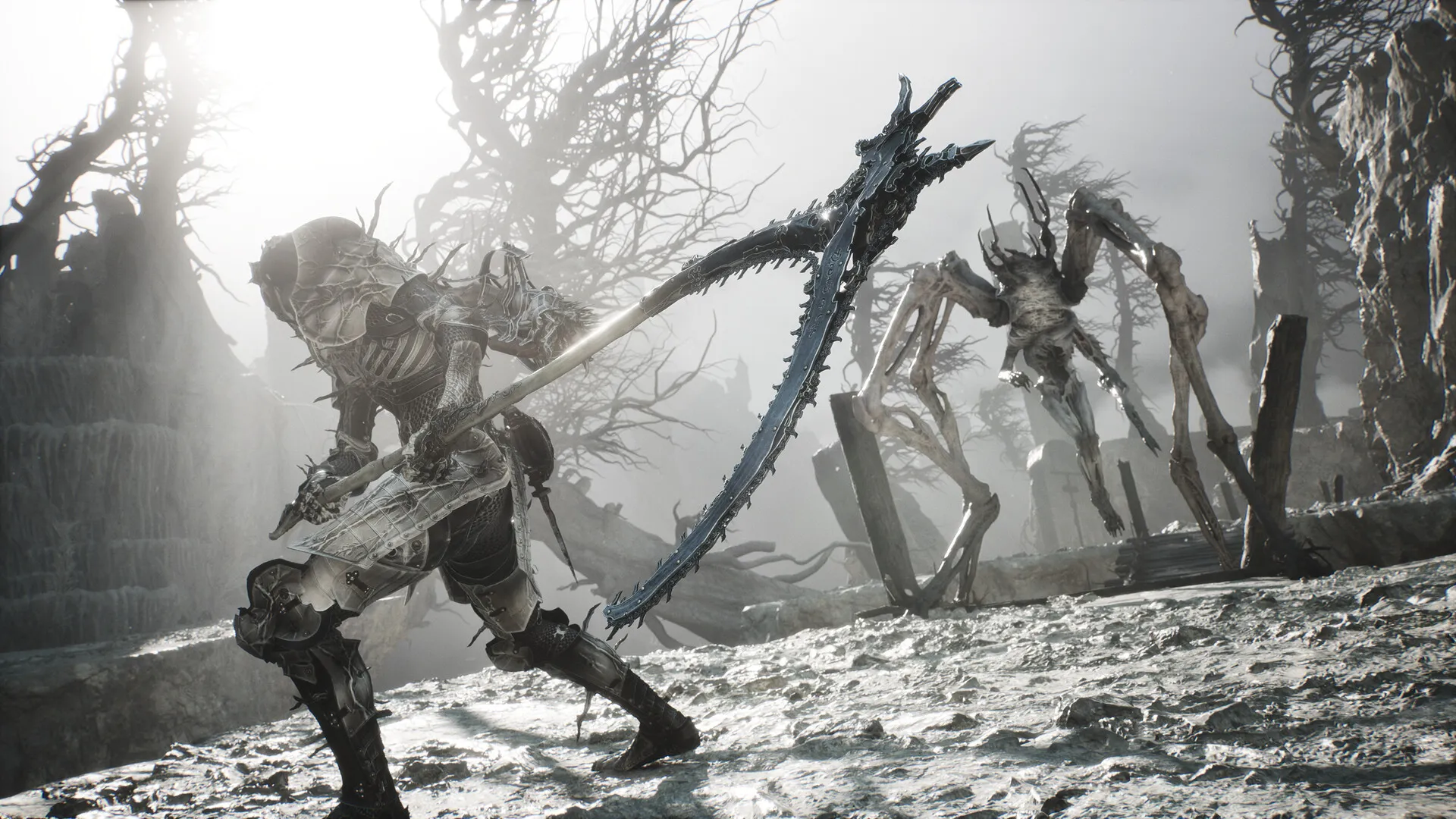
Cold Symmetry understands grotesque fantasy.
Mortal Shell II is filled with enemies that look diseased, corrupted, tortured or like they should never have developed functioning limbs in the first place.
Bosses are particularly impressive visually.
They have the oversized, horrifying designs you'd expect from the genre without simply looking like unused Dark Souls concepts.
More importantly, fighting them benefits enormously from the new combat system.
Because stamina is no longer dictating every few seconds of the fight, boss encounters become more about maintaining control and understanding attack patterns.
You can remain close to a boss for longer.
You can attack more confidently.
You can reposition constantly.
But a mistake can still hurt.
That last part is important. Mortal Shell II feels more empowering than the first game, but it has not suddenly turned into a hack-and-slash.
The Atmosphere Is Still Pure Mortal Shell
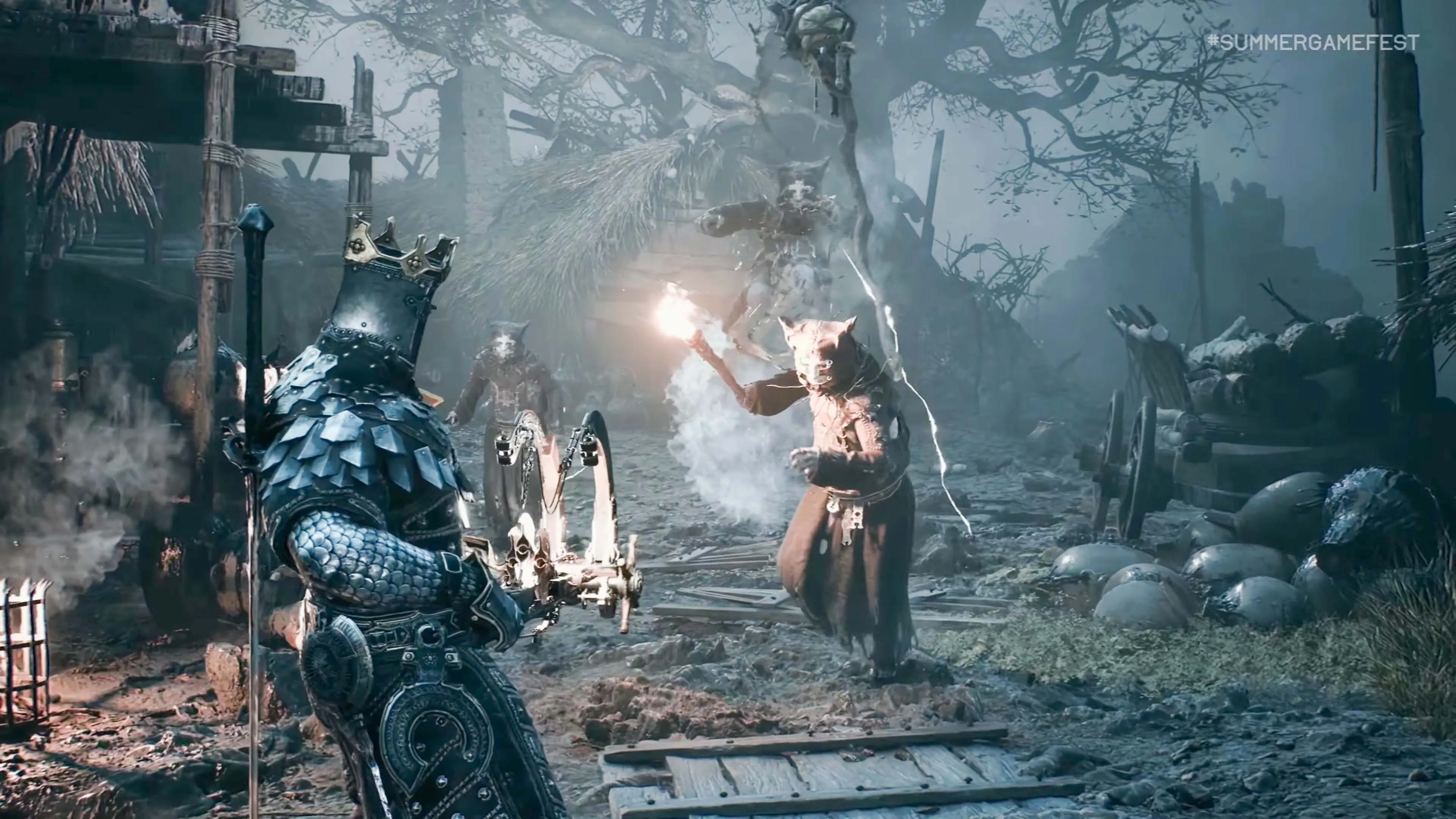
The original game's atmosphere was arguably stronger than some of its actual systems.
The sequel hasn't lost that.
Everything is still dark, decayed and uncomfortable.
Ruined architecture disappears into mist. Bodies and strange organic structures fill the landscape. Armor looks ancient rather than pristine, and many enemies feel like they have been trapped in this world for far too long.
Mortal Shell II doesn't try to make dark fantasy beautiful in a traditional sense. It makes ugliness beautiful.
There are moments when you will probably stop purely to look at a new environment, immediately followed by something disgusting trying to remove your head.
Exactly as it should be.
It Is Also Much More Ambitious Than the First Game
Here is where Mortal Shell II starts becoming especially interesting.
The original Mortal Shell was relatively small in scope. That wasn't necessarily bad—it helped distinguish it from 80-hour Soulslike adventures—but it also meant some systems ran out of depth fairly quickly.
The sequel is attempting to fix that without abandoning the original formula.
The full version promises:
- 8 playable Shells
- 60+ dungeons
- A compact interconnected open world
- Stamina-free combat
- Expanded execution options
- Sidearms and medieval firearms
- Deeper weapon upgrades
This feels like the kind of sequel that takes almost every recognizable mechanic from the first game and asks how much further it can go.
The Bad: There Are Still Some Rough Edges
This is where I would keep expectations under control.
The Beta is good, but it still feels like a Beta in places.
Movement Can Feel Slightly Slippery
Combat itself has weight, but general movement and some dodging animations do not always have the same sense of physicality.
There are moments where characters appear to glide slightly rather than properly plant their feet.
This is not enough to ruin fights, but it can look strange when compared with how heavy weapon impacts feel.
It is also something players have repeatedly mentioned in Beta feedback.
No Stamina Creates Its Own Balance Problems
Removing stamina is probably one of the best changes in the game.
It may also become one of the hardest things to balance.
If players can dodge and sprint without a stamina restriction, enemies need enough pressure to stop defensive play from becoming too easy.
Some Beta feedback has already pointed out that indefinite dodging or simply moving away can occasionally reduce the threat of certain encounters.
I would rather see Cold Symmetry adjust enemy aggression than bring the stamina bar back, though.
The new combat system is simply more fun.
We Still Haven't Seen Enough of the Full World
More than 60 dungeons is a big promise.
Eight Shells is a big promise.
An interconnected open world is a big promise.
The Open Beta only covers the opening portion of the game, so the biggest remaining question isn't whether Mortal Shell II starts well—it does. The question is whether the full game can maintain that quality.
The developers themselves describe the current Beta as an in-development build and warn of bugs, performance issues and other unfinished elements.
Mortal Shell II vs Mortal Shell: Is the Sequel Better?
Based on the Open Beta, yes—and rather comfortably.
|
Mortal Shell |
Mortal Shell II |
|
Smaller interconnected areas |
Compact open world |
|
4 main Shells |
8 playable Shells |
|
Stamina management |
No stamina bar |
|
Mostly melee-focused |
Melee + expanded sidearms |
|
Limited weapon progression |
Deeper weapon upgrade options |
|
Slower, more defensive rhythm |
Faster, aggressive combat |
|
Smaller overall scope |
60+ planned dungeons |
What surprises me most is that the sequel doesn't feel like it is rejecting the first game.
- It still has Shells.
- It still has Harden.
- It still has deliberate combat.
- It still has that miserable, decaying dark-fantasy atmosphere.
It simply removes some of the friction surrounding those ideas.
That is exactly what I want from a sequel.
Is Mortal Shell II Worth Buying?
For Soulslike fans, Mortal Shell II currently looks absolutely worth keeping on the radar—and probably worth buying if the full release maintains the Beta's quality.
I would especially recommend it if you:
- liked the original Mortal Shell but wanted smoother combat;
- enjoy Soulslikes but hate constantly managing stamina;
- want more build experimentation;
- enjoy aggressive melee combat rather than extremely defensive fights;
- like grotesque, oppressive dark-fantasy worlds;
- want something Souls-inspired that still has its own mechanical identity.
I'd be more cautious if your main priority is a perfectly polished experience at launch, or if you dislike exploration-heavy action RPGs.
The Open Beta currently holds a Very Positive overall Steam user rating, with more than 5,000 reviews listed at the time of writing, so the positive reception clearly isn't coming from just a handful of series fans.
Which Mortal Shell II Edition Is Worth Buying?
The good news is that you don't need an expensive edition to get the complete game.
The Standard Edition is $49.99, while the Devout Edition is $59.99 and offers up to 72 hours of Advanced Access plus Obsidian skins for all eight Shells. The physical PS5 Revered Edition is aimed more toward collectors.
For a full breakdown, check our Mortal Shell II Editions Compared: Standard vs Devout vs Revered guide.
Personally, Standard looks like the easiest recommendation for most players. If you already know this is a Day-One game for you, paying another $10 for Devout and getting in early makes more sense.
When Can You Play Mortal Shell II?
Mortal Shell II officially launches on August 20, 2026 for PS5, Xbox Series X|S and PC via Steam. Devout Edition players can receive up to 72 hours of Advanced Access beginning August 17.
The free Open Beta is also available, so if you're still unsure after reading this review, trying the game yourself is probably the best answer.
For release times, platforms, Beta rewards and Advanced Access details, see our Mortal Shell II Release Date: Advanced Access, Release Time, Open Beta guide.
Conclusion
Mortal Shell II is shaping up to be a much stronger and more confident Soulslike than its predecessor.
The stamina-free combat is the standout improvement, Harden still gives fights their distinctive Mortal Shell identity, and the combination of Shells, firearms and deeper weapon builds gives you much more freedom than before.
There are still some Beta rough edges, and the 60+ dungeon open world remains the biggest thing the final game needs to prove. But based on what we can play right now, Mortal Shell II is no longer just an interesting Soulslike alternative—it could be one of 2026's better surprises in the genre.






 TOP UP WITH DISCOUNT NOW
Kurila Experienced Game Editor
I'm a game editor who enjoys exploring RPGs, anime-inspired adventures, and story-driven games. I focus on breaking down gameplay systems, character builds, and progression mechanics into clear and practical guides. Whether you're just getting started or looking to improve your strategy, I aim to make every guide easy to follow and useful throughout your journey.
