



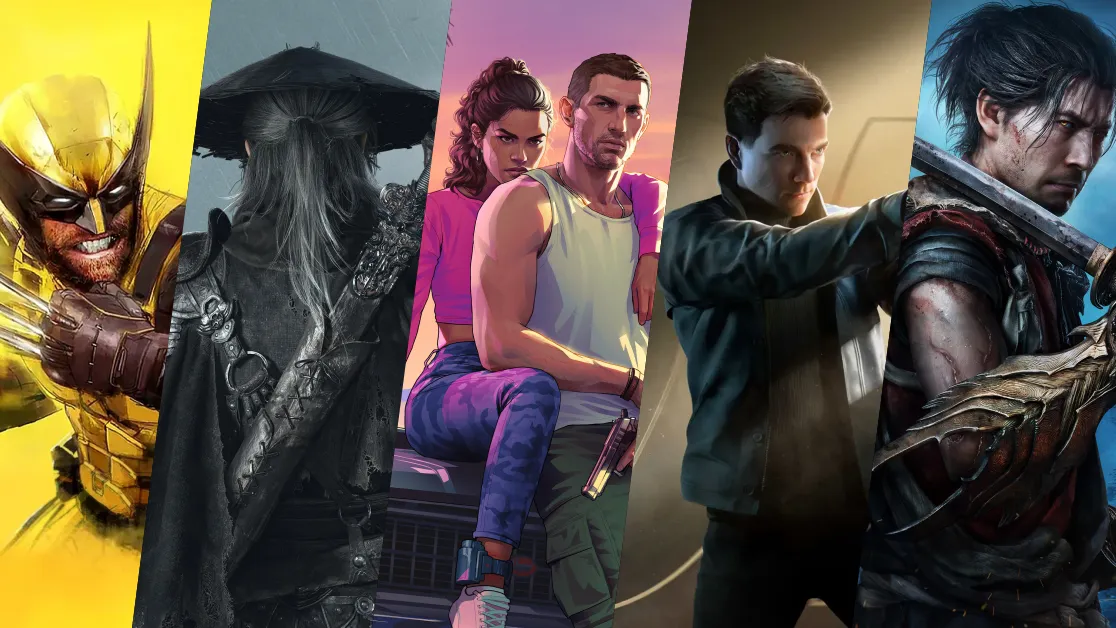





Adventure games in 2026 are bigger, stranger, and more cinematic than ever. Some of the best picks are brand-new or highly anticipated releases, while others are recent modern classics that still dominate player discussions, ratings, and replay lists. For this list, I’m using a broad “adventure” definition: story-driven exploration, action-adventure, open-world crime, narrative RPGs, cinematic horror, and games where discovery matters as much as combat.
The 2026 Adventure Watchlist: 20 Worlds Worth Entering
Grand Theft Auto VI
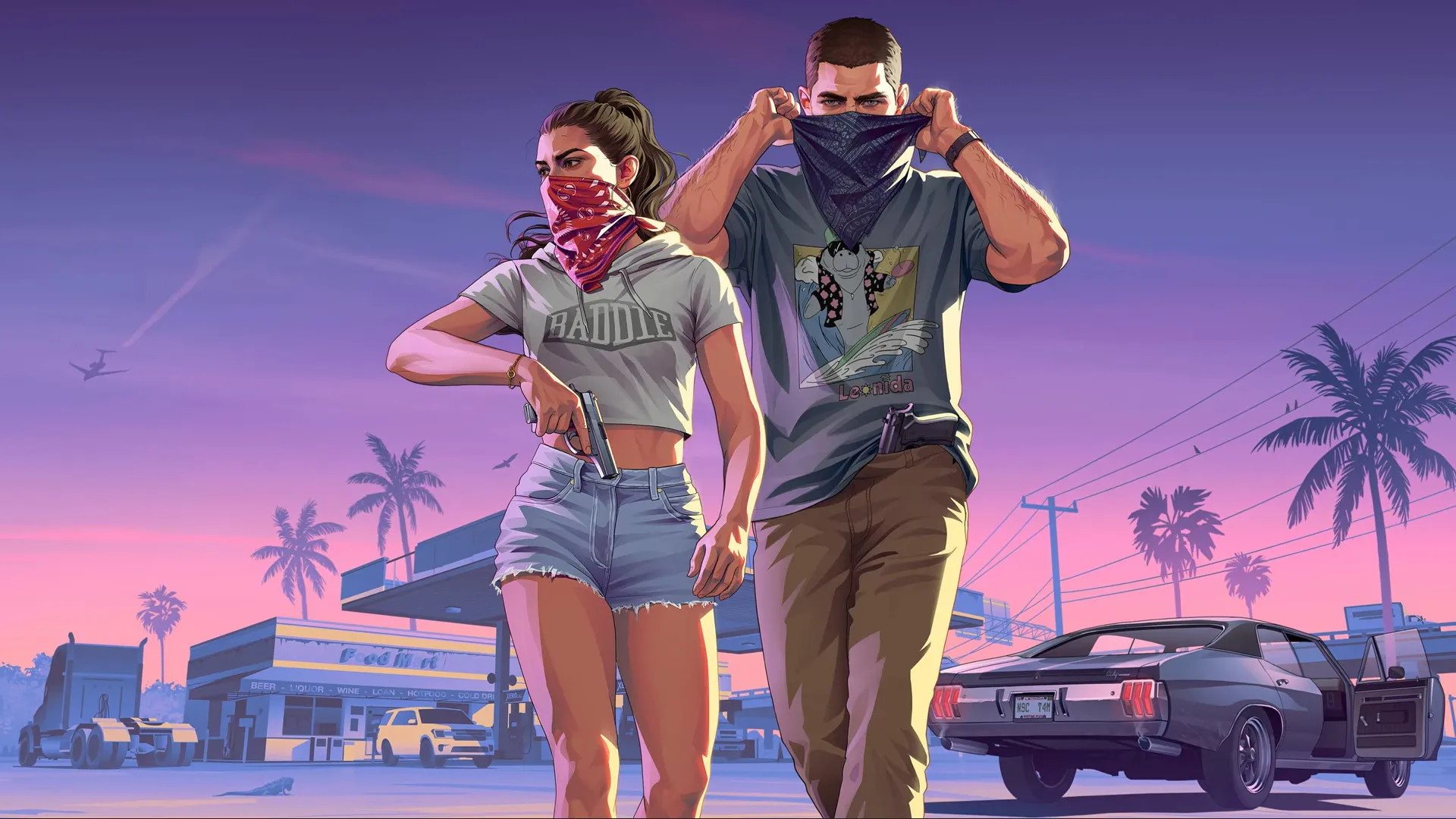
Rockstar Games’ Grand Theft Auto VI is easily one of the most anticipated adventure games of 2026. Set in the fictional state of Leonida, including the modern version of Vice City, the game follows protagonists Lucia and Jason in a crime story inspired by outlaw romance, heists, and the chaos of contemporary American life.
Rockstar has confirmed the game for PlayStation 5 and Xbox Series X|S, with the official release date announced as May 26, 2026. What makes GTA 6 especially important for adventure fans is not just its open world, but Rockstar’s ability to combine environmental storytelling, emergent gameplay, satire, driving, shooting, and memorable characters into one massive sandbox.
If it follows the studio’s tradition, Leonida should feel less like a backdrop and more like a living, unpredictable character.
For anyone choosing just one major open-world adventure in 2026, GTA 6 is an obvious contender. Rockstar has a rare ability to make exploration feel rewarding, and the return to Vice City adds both nostalgic weight and enormous cultural appeal.
007 First Light
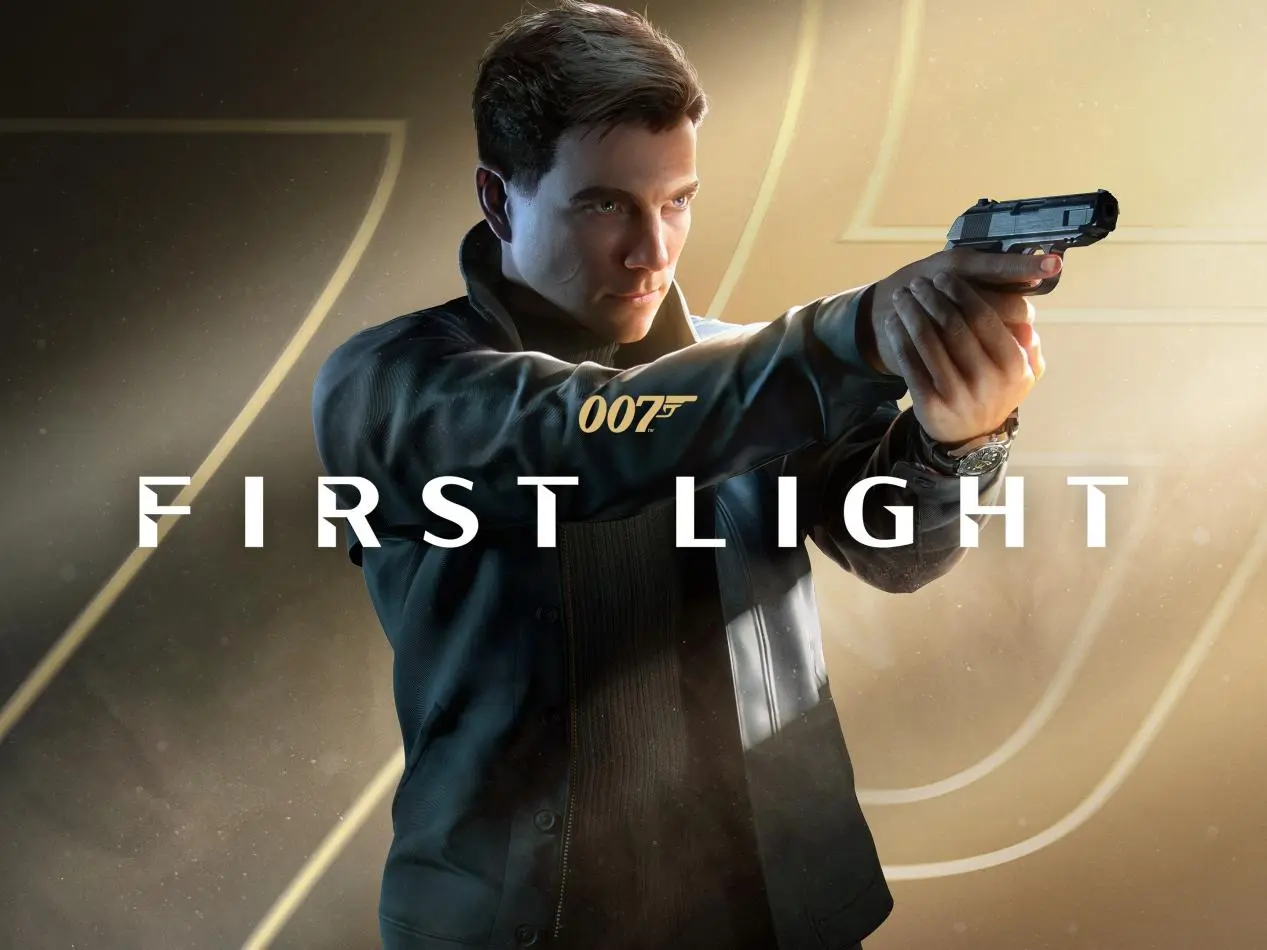
007 First Light is IO Interactive’s James Bond action-adventure game and one of the most exciting licensed games to watch in 2026. IO Interactive is best known for the modern Hitman trilogy, so the studio already has deep experience with stealth, disguises, tactical planning, stylish locations, and player-driven problem solving.
Unlike games based directly on a specific Bond film, 007 First Light is designed as an original James Bond origin story, focusing on a younger version of the iconic spy. That direction gives the developers room to explore Bond before he becomes the fully formed 007 fans know from cinema. For adventure players, the appeal is obvious: espionage, cinematic missions, stealth infiltration, gadgets, high-risk action, and globe-trotting environments.
If IO brings its sandbox mission design into the Bond universe successfully, this could become the definitive modern spy adventure.
Bond is a natural fit for interactive adventure, and IO Interactive’s experience with stealth, stylish action, and flexible mission design makes this project especially promising. Fans of espionage games should have plenty of reasons to keep it on their radar.
Phantom Blade Zero
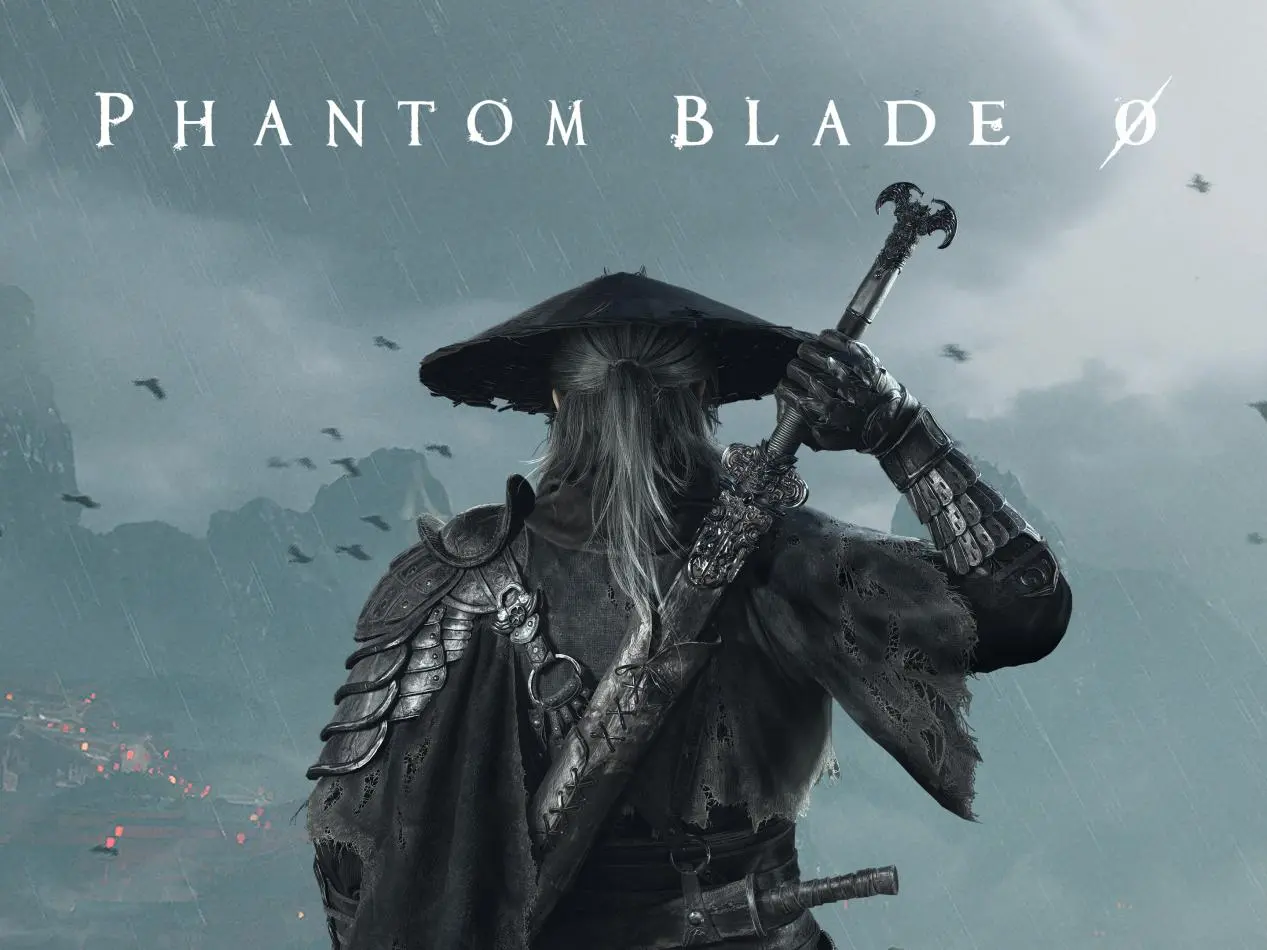
Phantom Blade Zero is an upcoming action-adventure RPG from S-GAME, built around a dark “kungfupunk” world that mixes Chinese martial arts, fantasy, and brutal mechanical design. The game follows Soul, an elite assassin who has been framed and is given only a limited time to live, creating a natural sense of urgency around the story.
What has drawn the most attention is the combat: fast swordplay, cinematic counters, chained attacks, boss duels, and animation that looks closer to martial arts cinema than traditional fantasy RPG combat. The game has been shown for PlayStation 5 and PC, though players should verify the final release date through official channels because timing has been a moving target.
For adventure fans, Phantom Blade Zero stands out because it promises atmosphere, exploration, lore, and combat intensity rather than a standard checklist-style open world.
Phantom Blade Zero stands out for players who want their adventure games to feel stylish, dangerous, and fast. Its martial-arts direction gives it a distinct identity, and if the final release lives up to its demonstrations, it could become a major action-adventure highlight.
Related CDKEY and Gift Cards
Death Stranding 2: On the Beach
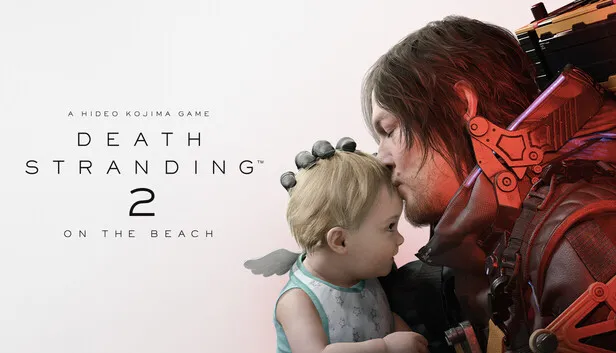
Death Stranding 2: On the Beach continues Hideo Kojima’s unusual post-apocalyptic adventure series, blending travel, survival, social connection, and cinematic storytelling.
The first Death Stranding was divisive but deeply original, turning the act of walking across difficult terrain into a central gameplay system. The sequel brings back key characters while expanding the world, themes, and visual spectacle. As with many Kojima Productions projects, the appeal lies in the combination of mystery, surreal imagery, emotional character work, and systems that do not feel like typical mainstream action design.
For adventure players in 2026, this is a game for those who enjoy slow-burn discovery, environmental tension, and narrative ambition. It is not simply about fighting enemies; it is about crossing hostile landscapes, understanding a broken world, and forming fragile connections inside it.
Death Stranding 2 is particularly appealing for players tired of formulaic open worlds. Kojima’s games tend to be strange, personal, and memorable, and even when they divide opinion, they rarely feel interchangeable with anything else on the market.
Indiana Jones and the Great Circle
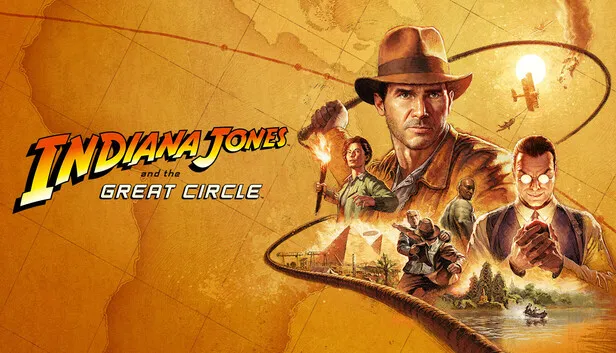
Indiana Jones and the Great Circle is a first-person action-adventure from MachineGames, the studio known for the modern Wolfenstein titles. Set between Raiders of the Lost Ark and The Last Crusade, the game follows Indiana Jones on a globe-spanning mystery involving ancient sites, secret factions, puzzles, fistfights, stealth, and archaeological discovery.
The first-person perspective is a bold choice for an Indiana Jones game, but it allows players to feel closer to the tombs, traps, journals, relics, and improvised combat. MachineGames’ strength in cinematic pacing and punchy action makes the project especially promising.
For 2026 players, this is one of the strongest choices if you want a classic treasure-hunting adventure rather than another massive RPG. It captures the core fantasy of being Indy: uncovering history, escaping danger, and solving mysteries with both brains and fists.
Indiana Jones and the Great Circle captures adventure in one of its purest forms. Its combination of puzzles, exploration, historical mystery, and cinematic danger makes it a strong fit for players who miss classic treasure-hunting games but want modern production values.
Metroid Prime 4: Beyond
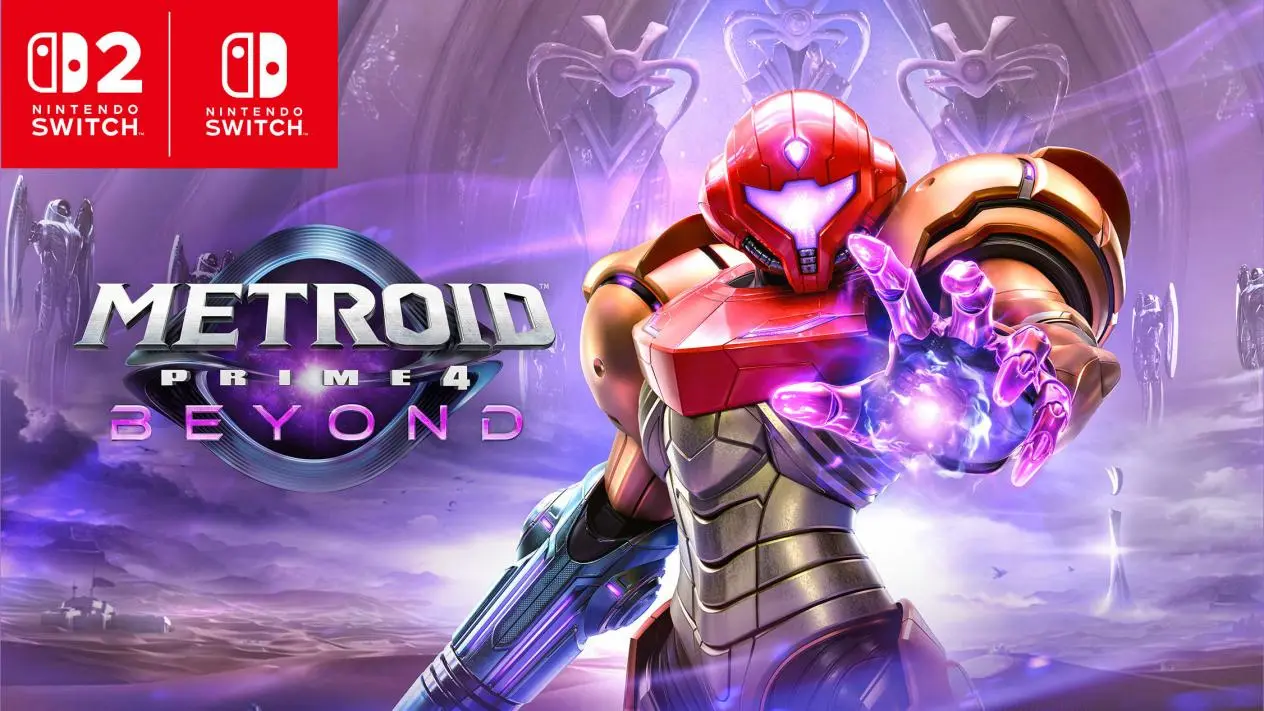
Metroid Prime 4: Beyond brings back Samus Aran in one of Nintendo’s most beloved first-person adventure series. The Metroid Prime games are not traditional shooters; they are exploration-focused adventures where scanning environments, unlocking abilities, backtracking through interconnected areas, and slowly understanding alien worlds are central to the experience.
Nintendo restarted development years ago with Retro Studios, the team behind the original Metroid Prime trilogy, which raised expectations significantly. Public footage has shown the return of Samus, the presence of Sylux, and a science-fiction world built around atmosphere and discovery.
For adventure fans in 2026, Metroid Prime 4: Beyond is important because it represents a style of game that still feels distinct: lonely, methodical, mysterious, and packed with environmental storytelling. It rewards patience and observation rather than constant noise.
Metroid Prime 4: Beyond should appeal most to players who prefer exploration and observation over constant hand-holding. Few series make alien worlds feel this tense and fascinating, and Samus remains one of gaming’s most iconic adventurers.
Star Wars Outlaws
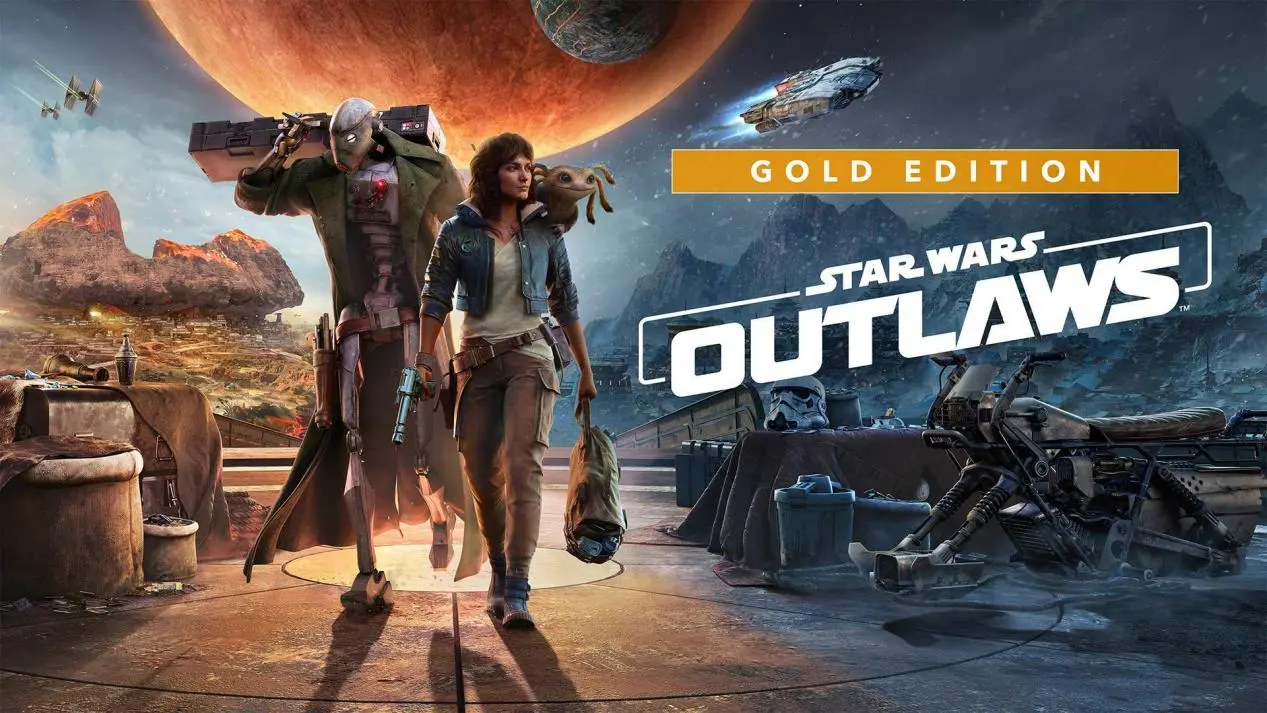
Star Wars Outlaws is an open-world action-adventure from Massive Entertainment and Ubisoft, set between The Empire Strikes Back and Return of the Jedi. Instead of casting players as a Jedi, the game focuses on Kay Vess, a scoundrel trying to survive the criminal underworld with her companion Nix.
That perspective is what makes the game interesting: it explores smugglers, syndicates, gambling dens, stealth jobs, reputation systems, space travel, and dangerous deals rather than lightsaber heroics. Players visit multiple planets and navigate factions such as the Pyke Syndicate, Crimson Dawn, and the Hutt Cartel.
In 2026, it remains a strong pick for players who want a Star Wars adventure built around outlaw fantasy, cinematic infiltration, and exploration. Its best moments come from feeling like a small operator inside a much larger galaxy.
Star Wars Outlaws works best for fans who enjoy the lived-in, criminal side of the galaxy. Playing as a survivor rather than a chosen hero gives the adventure a more grounded sense of risk and helps it feel different from the usual Jedi-centered stories.


Assassin’s Creed Shadows
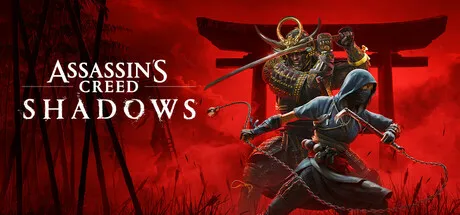
Assassin’s Creed Shadows takes Ubisoft’s long-running historical action-adventure series to feudal Japan, one of the most requested settings in franchise history.
The game features two protagonists: Naoe, a shinobi assassin focused on stealth, agility, and infiltration, and Yasuke, the historical African samurai, who offers a more direct combat style. This dual-character structure gives the adventure two different rhythms: quiet assassination and powerful samurai confrontation. The setting allows for castles, villages, forests, political conflict, and the visual drama of late Sengoku-period Japan.
Like recent entries in the series, Shadows leans into open-world exploration, historical detail, gear progression, and mission choice. In 2026, it is one of the most accessible adventure games for players who want history, stealth, combat, and a large world full of objectives.
Feudal Japan feels like a natural setting for Assassin’s Creed, and the contrast between Naoe’s stealth-focused approach and Yasuke’s direct combat gives the adventure more variety than a single-protagonist structure would allow.
Monster Hunter Wilds
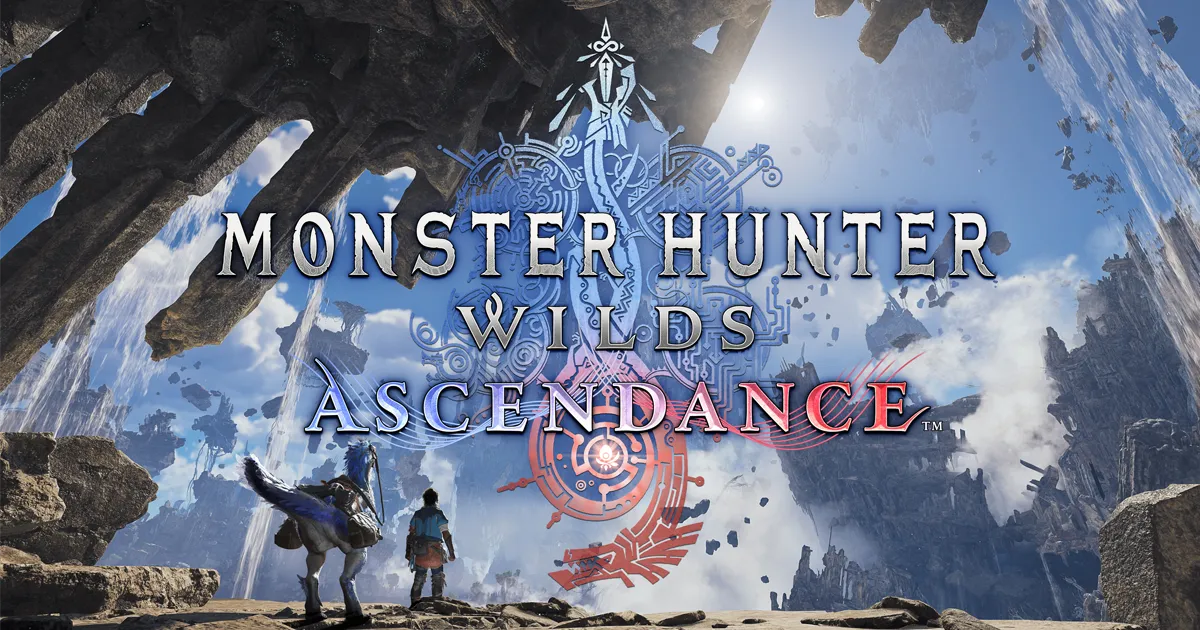
Monster Hunter Wilds is Capcom’s next major evolution of the monster-hunting adventure formula. The series has always been about tracking, preparing, fighting, crafting, and learning the behavior of enormous creatures, but Wilds pushes the idea of dynamic ecosystems even further.
Players explore harsh regions where weather, herds, predators, and environmental changes affect hunts in real time. The mount system, expanded traversal, and more seamless structure are designed to make the world feel less like a menu of missions and more like a living wilderness. Although Monster Hunter is action-heavy, it absolutely belongs on an adventure list because its best moments are about expedition: entering unknown territory, reading tracks, adapting to danger, and returning with materials that prove your victory.
In 2026, it is one of the strongest co-op adventure experiences available.
Monster Hunter Wilds is especially satisfying for players who experience adventure through systems rather than scripted storytelling. Each hunt can turn into a personal expedition as weather, terrain, and monster behavior combine in unpredictable ways.
Avowed
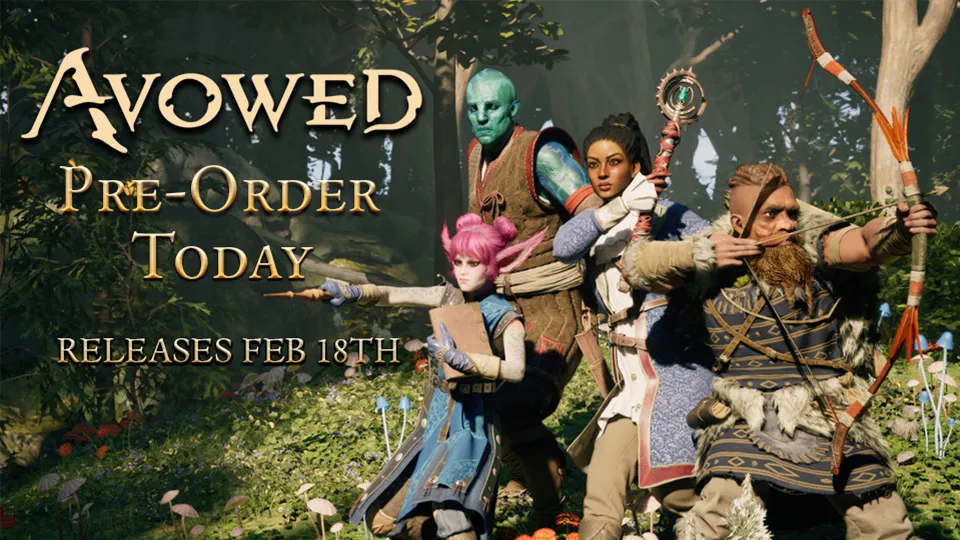
Avowed is Obsidian Entertainment’s first-person fantasy RPG set in the world of Eora, the same universe as Pillars of Eternity. The game takes players to the Living Lands, a strange frontier full of unusual ecosystems, competing factions, ancient secrets, and magical danger.
Unlike enormous open-world RPGs that try to be endless, Avowed is designed around focused zones, player choice, character builds, dialogue, exploration, and tactical combat. Players can use swords, guns, shields, magic, and companions to shape their approach. Obsidian’s reputation comes from strong writing and meaningful decisions, so the adventure appeal is not just in combat but in investigation, moral ambiguity, and the consequences of your actions.
In 2026, Avowed is a strong pick for players who want fantasy adventure with personality rather than another generic medieval world.
Avowed is a strong fit for RPG fans who value writing, choice, and distinctive world-building. The Living Lands give Obsidian plenty of room to be strange, colorful, and dangerous, helping the setting avoid feeling like generic fantasy.
South of Midnight
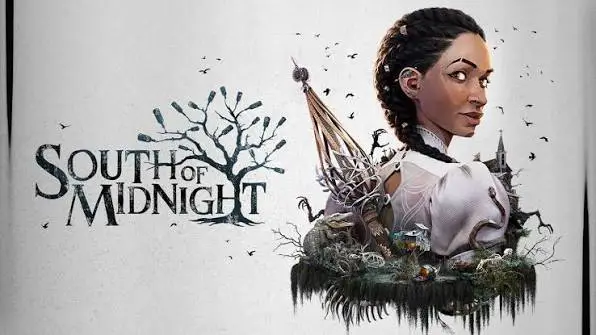
South of Midnight is a third-person action-adventure from Compulsion Games, the studio behind We Happy Few. Set in a magical-realist version of the American Deep South, the game follows Hazel as she becomes involved with folklore, monsters, family history, and supernatural forces. Its visual style is immediately recognizable, using a stop-motion-inspired animation look that makes the world feel like a dark fairy tale.
Instead of copying standard fantasy settings, South of Midnight draws from Southern Gothic atmosphere, regional myths, bluesy mood, and creature design rooted in folklore. That gives it a strong identity in a crowded adventure market. The game combines traversal, combat, narrative discovery, and emotional storytelling.
In 2026, it is especially worth playing if you want an adventure that feels culturally specific and visually different from the usual sci-fi or medieval options.
South of Midnight has a rare sense of place that immediately separates it from more generic fantasy adventures. Its folklore, art direction, regional influences, and emotional tone make the world feel personal rather than manufactured.
Little Nightmares III
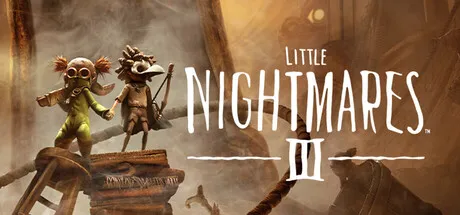
Little Nightmares III continues the eerie puzzle-platform adventure series, this time developed by Supermassive Games. The game follows two new characters, Low and Alone, as they travel through the Spiral, a disturbing world full of oversized threats, grotesque environments, and childlike vulnerability.
A major addition is online co-op, allowing two players to work together through puzzles and dangerous encounters, though the game is also designed to support solo play with an AI companion. The Little Nightmares series stands out because it rarely explains everything directly. Instead, it uses scale, sound, lighting, and unsettling visual storytelling to create fear.
In 2026, Little Nightmares III is a strong adventure choice for players who prefer atmosphere and interpretation over dialogue-heavy storytelling. It is short-form horror adventure with memorable imagery.
Little Nightmares III is well suited to players who enjoy creepy, compact adventures. The series has always been excellent at making simple movement and puzzles feel tense, while the addition of co-op introduces a new kind of shared vulnerability.
Related CDKEY and Gift Cards
Directive 8020
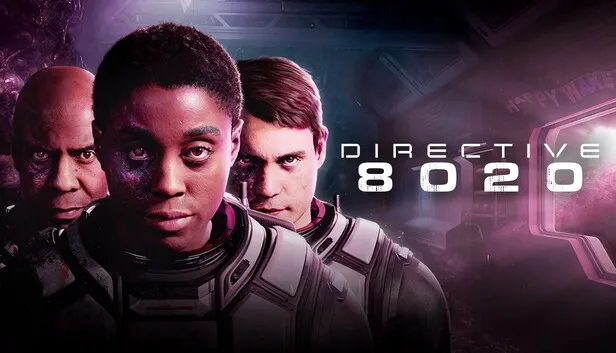
Directive 8020 is part of Supermassive Games’ The Dark Pictures Anthology and marks the beginning of the anthology’s second season. Unlike earlier entries focused on ghost ships, war zones, or desert ruins, this game moves into science-fiction horror. The story involves a space mission, a distant planet, and a threat that appears connected to imitation, paranoia, and survival under extreme isolation.
Supermassive’s formula is built around cinematic presentation, branching choices, quick-time events, character relationships, and the possibility that multiple characters can live or die depending on the player’s decisions. That makes Directive 8020 less about traditional exploration and more about interactive horror storytelling.
In 2026, it is a good adventure pick for players who enjoy movie-like games, moral pressure, and replaying scenes to see how different choices affect the outcome.
Directive 8020 makes especially good use of Supermassive’s choice-driven horror formula. Space isolation naturally amplifies paranoia and pressure, while the science-fiction setting gives the anthology a noticeably fresh direction.
Marvel 1943: Rise of Hydra

Marvel 1943: Rise of Hydra is a narrative action-adventure led by Skydance New Media and writer-director Amy Hennig, best known for her work on the Uncharted series. The game is set during World War II and brings together Captain America and Black Panther in a story involving Hydra, occupied Paris, and the fictional nation of Wakanda’s wartime connections.
The project is particularly exciting because Hennig’s previous work helped define cinematic adventure games, especially the balance between character banter, set pieces, exploration, and emotional pacing. Publicly shown footage has emphasized high-end visuals and a serious wartime tone rather than a simple superhero power fantasy.
For 2026 adventure fans, this is one to watch closely because it combines Marvel characters with a historical adventure framework, which could make it stand apart from typical comic-book action games.
Marvel 1943: Rise of Hydra has a compelling foundation thanks to Amy Hennig’s experience with cinematic adventure. Captain America, Black Panther, Hydra, and a WWII mystery provide a strong combination of characters, setting, and narrative potential.
Pragmata
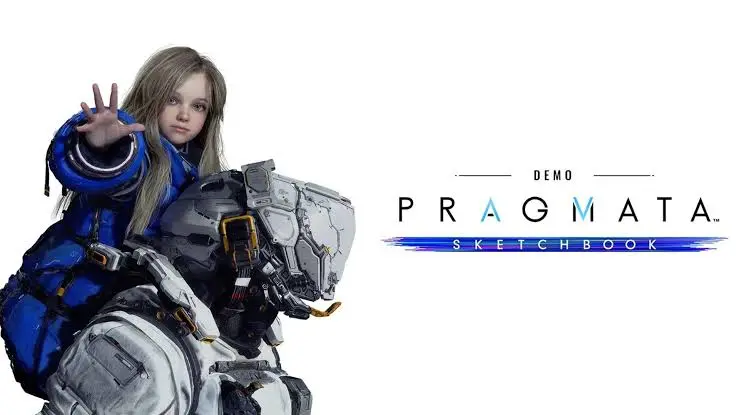
Pragmata is Capcom’s long-awaited science-fiction action-adventure, first revealed years ago with a mysterious astronaut, a young android-like girl named Diana, and a futuristic lunar setting. After multiple delays, Capcom has continued to present the game as a distinctive project rather than a standard shooter.
The core premise centers on surviving and escaping a high-tech facility while working with Diana, whose hacking abilities appear to play a key role in combat and puzzle-solving. The game’s unusual visual identity—part hard sci-fi, part emotional character adventure—makes it one of Capcom’s most intriguing non-franchise titles.
In 2026, Pragmata is worth attention because major publishers rarely take big risks on new sci-fi IP. If Capcom balances action, puzzles, and character storytelling well, this could become a memorable futuristic adventure rather than just another third-person shooter.
Pragmata feels genuinely unusual in a market crowded with familiar franchises. Capcom’s action expertise, combined with the game’s mystery, lunar setting, and distinctive visual style, gives it real potential to surprise players looking for something new.
Judas
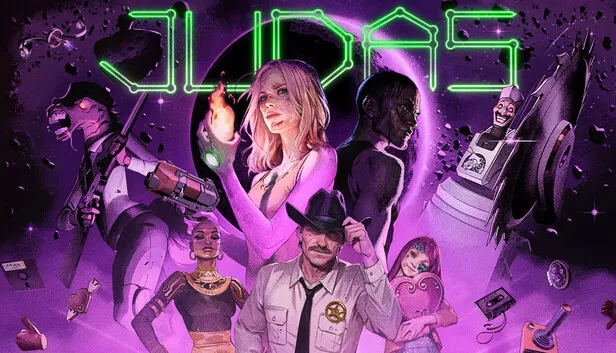
Judas is the next major game from Ghost Story Games, led by Ken Levine, the creative director associated with BioShock and BioShock Infinite. The game is a narrative first-person adventure set aboard the Mayflower, a massive spaceship where society, identity, memory, and survival appear to be central themes.
Players take the role of Judas, a character trying to escape a collapsing environment while navigating relationships with powerful figures aboard the ship. Based on official information, the game emphasizes player choice, story consequences, combat, and a world filled with propaganda, artificial systems, and moral tension.
For 2026 players, Judas is one of the most interesting narrative adventure prospects because it seems designed for people who loved immersive, philosophical, system-driven shooters. It is not just about fighting; it is about understanding a broken society from the inside.
Judas should be especially interesting to fans of BioShock-style storytelling. Its strange world, unstable power structures, narrative choices, and first-person action all point toward the kind of immersive story-driven experience Ken Levine is known for.
Related CDKEY and Gift Cards
Dragon’s Dogma 2
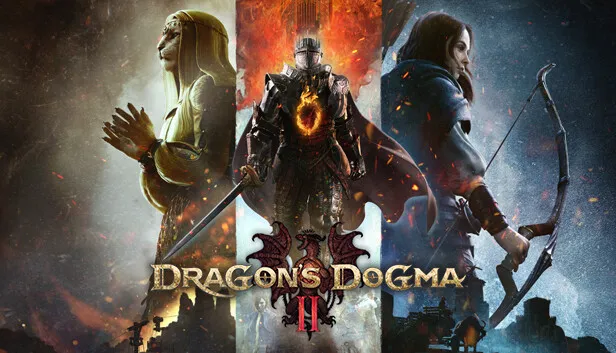
Dragon’s Dogma 2 is Capcom’s open-world fantasy action RPG and one of the best adventure games to keep playing in 2026. The game builds on the cult reputation of the original with a world full of dangerous roads, huge monsters, emergent encounters, and the distinctive Pawn system. Pawns are AI companions who learn, guide, fight, and sometimes surprise the player with knowledge gained from other worlds.
What makes Dragon’s Dogma 2 feel adventurous is its refusal to smooth out every inconvenience. Traveling at night is dangerous, quests can be obscure, enemies can ambush you far from safety, and preparation matters.
This creates stories that feel personal: a desperate griffin fight, a failed escort mission, or a cave expedition that turns into a survival problem. It is fantasy adventure with teeth.
Dragon’s Dogma 2 makes travel itself feel meaningful. Where many open worlds are beautiful but relatively safe, this one turns even a routine journey into something physical, risky, and memorable.
Alan Wake 2
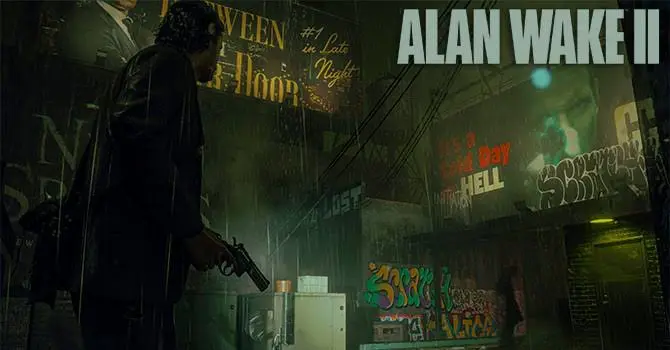
Alan Wake 2 is Remedy Entertainment’s survival-horror adventure and one of the most acclaimed narrative games of recent years. It follows two protagonists: FBI agent Saga Anderson, investigating ritualistic murders in Bright Falls, and writer Alan Wake, trapped in the nightmare reality of the Dark Place.
The game blends detective work, psychological horror, live-action elements, shifting realities, and Remedy’s connected-universe storytelling. Unlike many horror games that rely only on jump scares, Alan Wake 2 uses mood, music, fragmented narrative, and environmental symbolism to create unease. Its adventure structure comes through investigation boards, exploration, manuscript pages, puzzles, and reality-bending spaces that reward close attention.
In 2026, it remains essential for players who want mature storytelling and bold presentation. It is strange, stylish, and confident in a way few big-budget games are.
Alan Wake 2 is built for players who want a story that lingers long after the credits. Beyond its horror, the game is artistic, layered, and unusually confident in the way it blends narrative, symbolism, and presentation.
The Legend of Zelda: Tears of the Kingdom
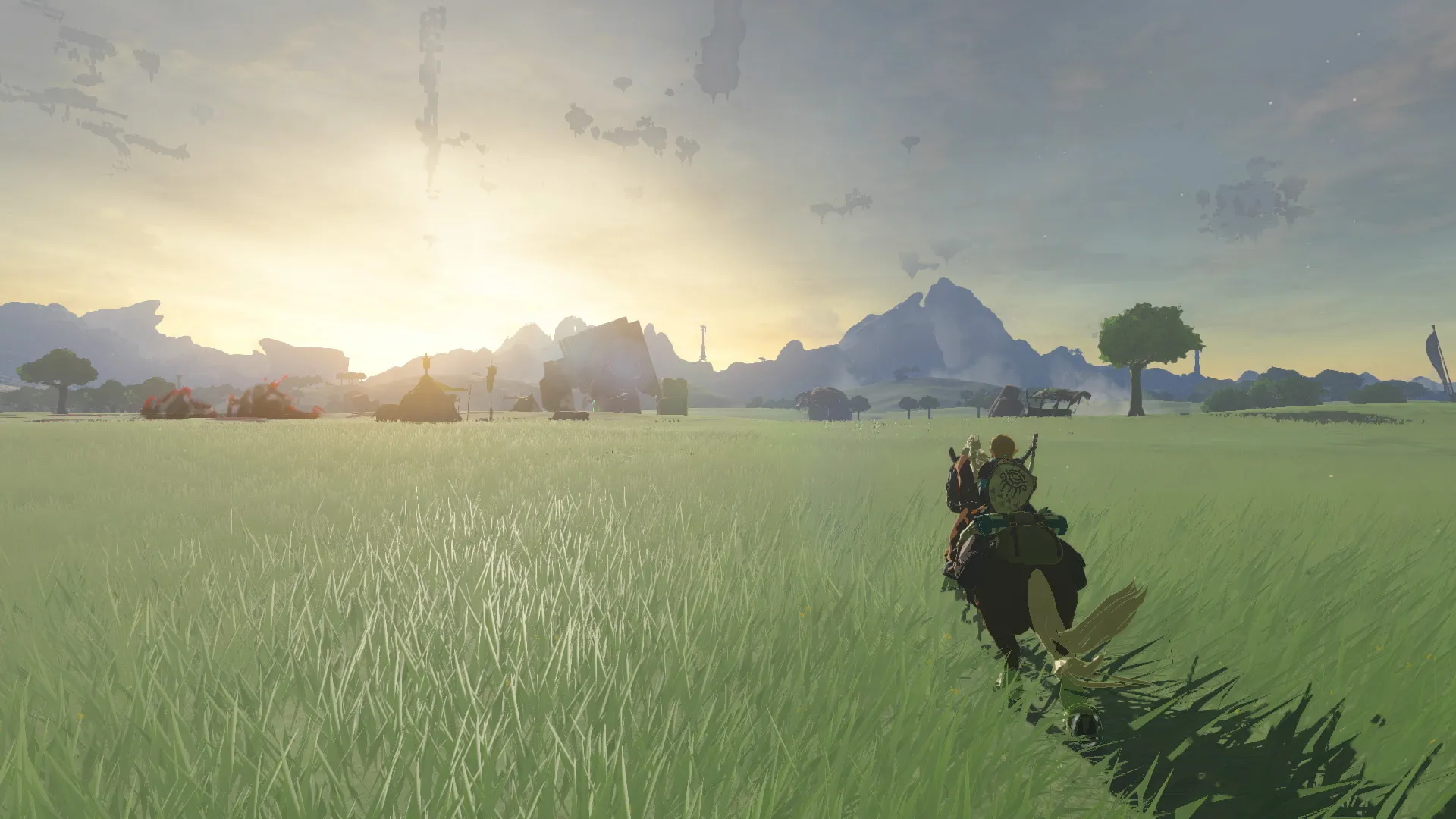
The Legend of Zelda: Tears of the Kingdom remains one of the best adventure games to play in 2026 because its design is built around freedom, experimentation, and discovery. Set in an expanded version of Hyrule, the game adds sky islands, underground depths, new physics-based abilities, and a construction system that lets players solve problems in wildly different ways.
Link’s powers, including Ultrahand and Fuse, turn the world into a toolbox. You can build vehicles, improvise weapons, cross gaps, manipulate objects, and break puzzles in clever ways. The story continues the conflict involving Zelda, Ganondorf, and the ancient history of Hyrule, but the real magic comes from wandering off the intended path.
Few games reward curiosity as consistently. Even years after release, players continue finding new solutions and ridiculous inventions.
Tears of the Kingdom understands one of the core pleasures of adventure: wondering, “What happens if I try this?” Hyrule becomes a huge playground of physics, secrets, danger, and player creativity.
Baldur’s Gate 3
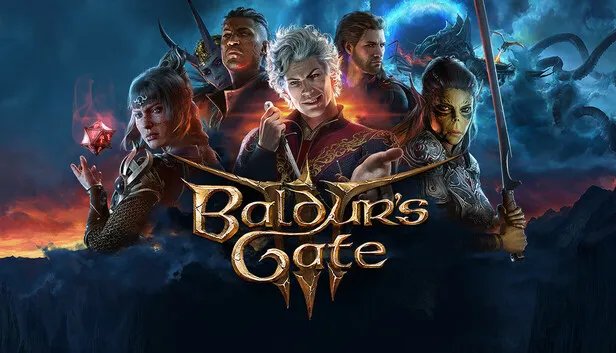
Baldur’s Gate 3 is a fantasy RPG from Larian Studios, but it also belongs among the best adventure games in 2026 because of how deeply it supports exploration, choice, and character-driven storytelling. Based on Dungeons & Dragons Fifth Edition, the game begins with a mind flayer parasite infection and expands into a massive journey involving companions, factions, gods, monsters, romance, betrayal, and moral consequences. Its strength is player freedom.
You can talk, sneak, fight, deceive, charm, shove enemies off cliffs, speak with animals, speak with the dead, or accidentally turn a serious quest into chaos. Every major area is packed with secrets, side stories, and alternate routes.
The game’s companions—such as Shadowheart, Astarion, Lae’zel, Gale, Wyll, and Karlach—make the journey emotionally engaging rather than just mechanically deep.
Baldur’s Gate 3 turns choice itself into a form of adventure. Few games offer so many ways to solve a problem, and even failed plans often evolve into memorable stories rather than simple dead ends.
Conclusion
The best adventure games in 2026 show how wide the genre has become. In short, 2026 is a fantastic year for adventure fans—whether you want to rob banks in Vice City, become a young Bond, hunt monsters, uncover ancient secrets, or simply get lost in a world that rewards curiosity.


 TOP UP WITH DISCOUNT NOW
Cristal Experienced Game Editor
Cristal is a video game editor at LDShop.gg who believes a good gaming session can mean anything from watering parsnips in Stardew Valley to getting absolutely wrecked by a Souls boss. With a love for cozy sims, challenging action RPGs, and chaotic co-op classics like Left 4 Dead 2, she brings a genuine player’s perspective to every guide, update, and article she writes. Her goal is simple: help fellow gamers make smarter choices, have more fun, and maybe die slightly fewer times.
