


Welcome to the Arena, newcomer! This guide will walk you through everything you need to know to build your first winning deck, manage your Elixir like a pro, and climb the Arenas with confidence. No fluff, no confusing jargon—just practical advice to get you battling smart from day one.
Cards, Elixir, and Crown Towers
Before we dive into strategy, let’s cover the fundamentals. Clash Royale is a one-versus-one real-time strategy game where the goal is simple: destroy more Crown Towers than your opponent before time runs out. Each match lasts three minutes, with a sudden death overtime if scores are tied.
The Elixir Bar

Your most important resource is Elixir, which fills automatically over time—one Elixir every 2.8 seconds. You start each match with a full bar of 10 Elixir. Every card you play costs Elixir, from cheap 1-cost troops like Skeletons to massive 8-cost tanks like Golem. The key to victory is using your Elixir more efficiently than your opponent.
Think of Elixir as your mana or energy. If you spend 5 Elixir to defeat an opponent’s 7 Elixir push, you’ve gained an "Elixir advantage"—and that advantage wins games.
Card Rarities and What They Mean
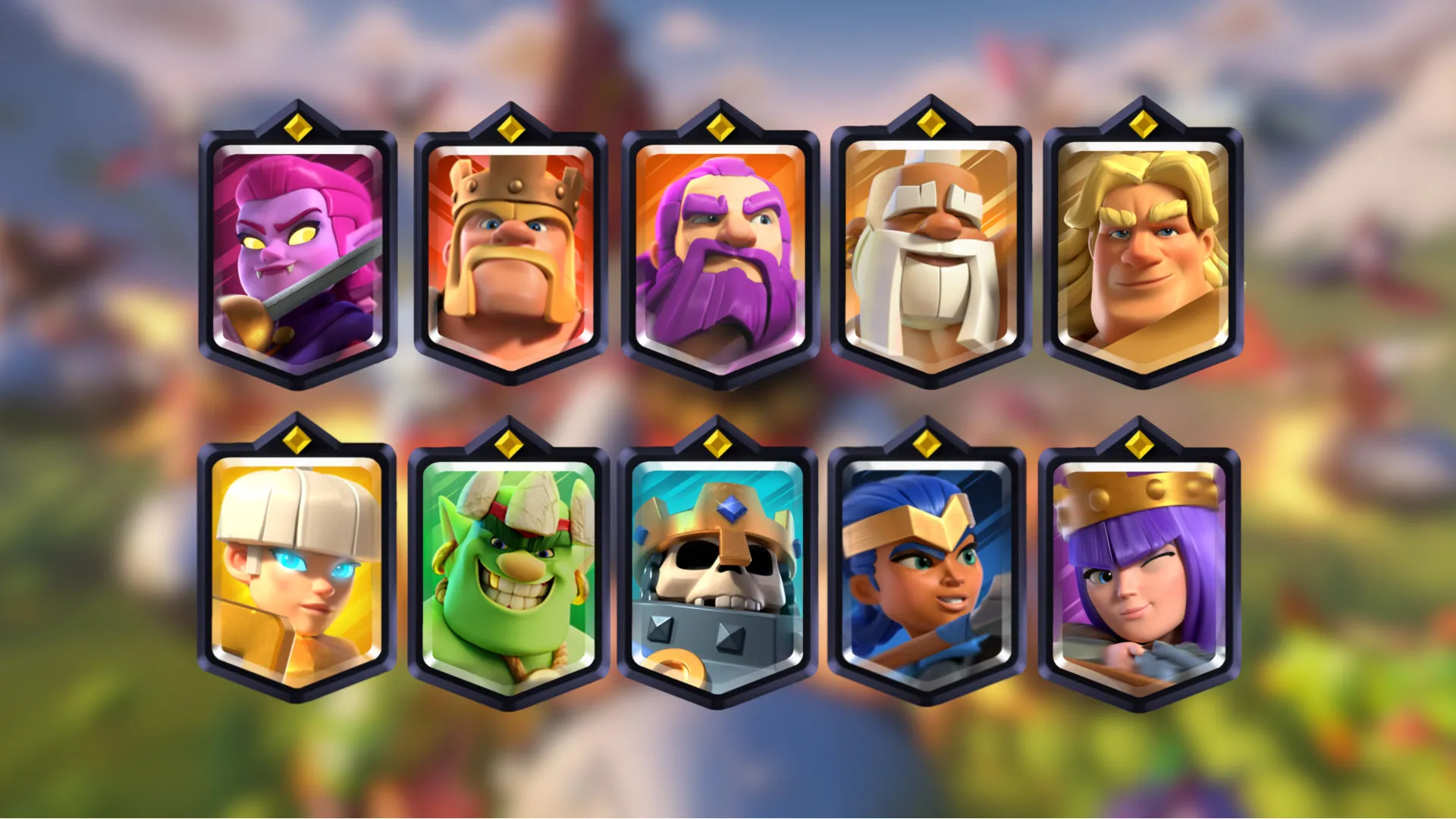
Cards come in five rarities: Common (wooden), Rare (golden), Epic (purple), Legendary (rainbow), and Champion (special). But here’s the truth beginners need to hear:rarity does NOT equal power. A well-played Common card like Knight or Archers can be far more valuable than a poorly used Legendary.
- Common cards are the easiest to level up and form the backbone of most competitive decks.
- Rare cards offer solid stats and unique abilities.
- Epic cards have powerful effects but cost more to upgrade.
- Legendary cards have unique mechanics but aren’t automatically better.
- Champions (unlocked at Arena 16) have special abilities and a third evolution slot.
Crown Towers and King Tower Activation
Your side of the Arena has three towers: two Princess Towers in front and one King Tower in the back. The Princess Towers defend your lanes and deal solid damage. The King Tower stays dormant until one of your Princess Towers is destroyed or an enemy spell/unit damages it directly.
Pro tip for beginners: Never use a spell like Fireball or Arrows on the King Tower unless you’re securing a win. Activating the King Tower early gives your opponent an extra cannon that makes defense much harder .
Building Your First Deck
When you’re just starting out, the most beginner-friendly strategy is Beat down—build a massive push behind a tank and crush your opponent’s defenses. The deck below works perfectly in Arenas 1-3 and teaches you the core mechanics of the game .
Beginner Arena 2 Deck
|
Card |
Elixir Cost |
Role |
|
Giant |
5 |
Main Tank / Win Condition |
|
Musketeer |
4 |
Ranged Damage / Anti-Air |
|
Mini P.E.K.K.A. |
4 |
Tank Killer |
|
Archers |
3 |
Support / Anti-Air |
|
Knight |
3 |
Mini Tank / Defense |
|
Arrows |
3 |
Swarm Removal |
|
Fireball |
4 |
Heavy Damage Spell |
|
Spear Goblins |
2 |
Cycle / Chip Damage |
Average Elixir Cost: 3.5
How to Play This Deck
The Opening (0:00 – 1:00 single Elixir): Do NOT start with Giant. Instead, defend patiently. Place Knight or Archers in the back to react to your opponent’s moves. If they do nothing, send Spear Goblins at the bridge to force a reaction.
The Defense: When your opponent attacks, use Knight to absorb damage while Musketeer or Archers shoot from behind. Mini P.E.K.K.A. destroys enemy Giants, Hogs, or Knights in just a few swings. Against swarms like Skeleton Army, one Arrows spell clears everything.
The Push (Double Elixir – 1:00 to end): This is when you strike. Place Giant behind your King Tower. By the time he reaches the bridge, you’ll have enough Elixir to support him. Drop Musketeer behind the Giant, then add Archers or Spear Goblins. Save Arrows for when your opponent drops Skeleton Army or Minions on your push.
Spell Usage: Only use Fireball on troops—never waste it on the tower alone. Fireball is your answer to enemy Musketeers, Wizards, or clustered units. Arrows are for Skeleton Army, Goblin Gang, or Minion Horde.
The Most Important Skill: Defensive Kiting
Here’s a technique that separates good players from great ones: kiting. When an enemy melee troop like Prince or Mini P.E.K.K.A. charges toward your tower, don’t just place a tank in front. Instead, place a cheap troop like Spear Goblins or Knight in the opposite lane near the center. The enemy troop will chase it, getting pulled across the Arena while both Princess Towers shoot at it.
Master this, and you’ll defend against heavy pushes with minimal Elixir investment.
The 5 Best Beginner Cards to Upgrade First
Not all cards are created equal for new players. Some cards are versatile, forgiving, and fit into almost every deck. Prioritize upgrading these five cards—they’ll carry you through multiple Arenas .
Baby Dragon (Epic, 4 Elixir)

Baby Dragon is arguably the best beginner card in the game. It flies (immune to ground troops), deals splash damage, and has decent health. Use it to defend against swarms or support your Giant push from above. Because it targets air and ground, it never sits idle.
Knight (Common, 3 Elixir)
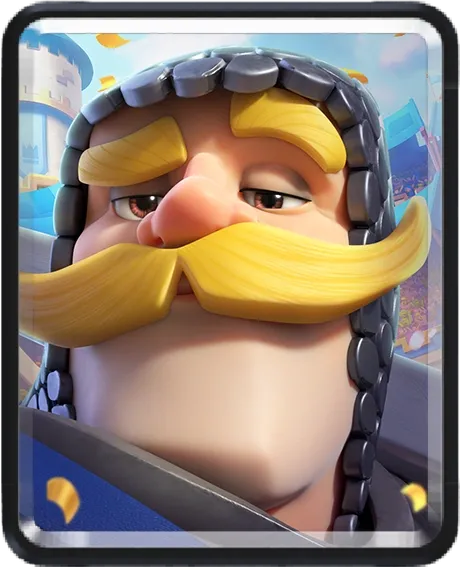
The Knight is the definition of value. For only 3 Elixir, you get a tanky mini-tank that chops down support troops and survives most spells. He’s your go-to defensive anchor. Place him on top of enemy Wizards or Musketeers for a positive Elixir trade every time.
Musketeer (Rare, 4 Elixir)
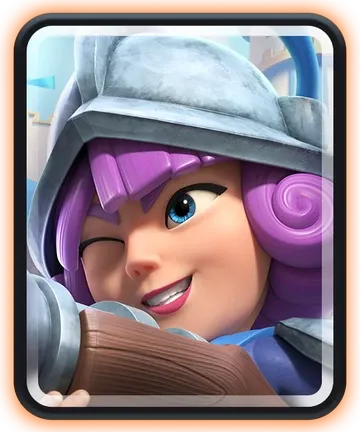
Musketeer is your anti-air solution and primary damage dealer. She shoots down Baby Dragons, Minions, and Balloons from a safe distance. Keep her behind your tanks and she’ll rack up massive tower damage.
Arrows (Common, 3 Elixir)
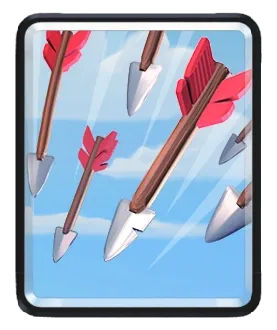
You need a swarm-clearing spell. Arrows covers a wide area and one-shots all common swarm cards in the early Arenas (Skeleton Army, Minion Horde, Goblin Gang). It’s forgiving, easy to aim, and always useful.
Cannon (Common, 3 Elixir)
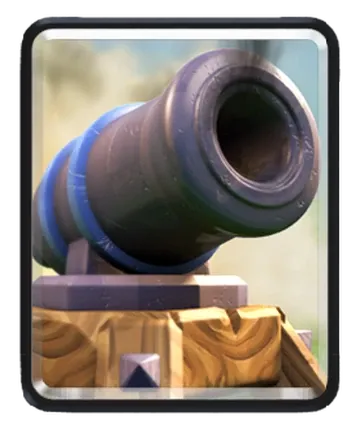
Cannon is the best defensive building for beginners. For 3 Elixir, it pulls enemy Hog Riders and Giants toward the center of your side, letting both Princess Towers shoot them. It’s cheap, effective, and teaches you building placement—a critical skill.
Understanding Deck Archetypes: Find Your Playstyle
As you climb past Arena 5, you’ll encounter different deck styles. Knowing what archetype you enjoy will help you build better decks and predict opponents .
Beatdown (Beginner Friendly)
Strategy: Build one massive push behind a tank. Defend minimally until double Elixir, then overwhelm your opponent.
Key Cards: Golem, Giant, Lava Hound, P.E.K.K.A.
Difficulty: Easy to learn, hard to master.
Control
Strategy: Defend efficiently, then counter-attack with a cheap win condition. You’re aiming for positive Elixir trades and chip damage.
Key Cards: Miner, Poison, Valkyrie, Tesla.
Difficulty: Medium.
Cycle (High Skill)
Strategy: Use cheap cards (1-2 Elixir) to cycle back to your win condition quickly. Out-cycle your opponent’s counters and constantly apply pressure.
Key Cards: Hog Rider, Skeletons, Ice Spirit, The Log.
Difficulty: Very hard for beginners—requires precise placement and counting opponent’s Elixir.
Bait
Strategy: Force your opponent to waste their spell (like The Log), then punish them with cards that spell would have countered.
Key Cards: Goblin Barrel, Princess, Skeleton Army.
Difficulty: Medium.
For new players: Start with Beatdown. It’s straightforward, teaches you Elixir management, and doesn’t require split-second decisions.
Elixir Management
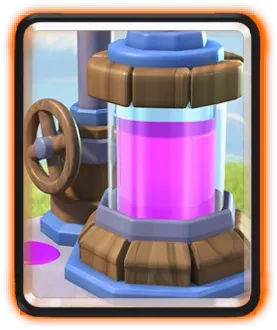
Every Clash Royale pro will tell you the same thing: Elixir management is more important than card levels. Here’s what you need to know.
Count Elixir (Yes, Really)
After every play, mentally track how much Elixir your opponent spent. If they drop Golem (8 Elixir), they’re almost empty. That’s your moment to punish the opposite lane with a quick Hog Rider or Mini P.E.K.K.A.
Never "Leak" Elixir
If your Elixir bar is full and you’re not playing anything, you’re wasting resources. At the start of a match, always place something—even Spear Goblins at the bridge. A full Elixir bar means you’re falling behind.
Defend, Then Counter
The most common beginner mistake is attacking immediately after defending. Here’s the rule:after you successfully defend, you should have surviving troops. Add a tank in front of them and counter-attack. This is called a "counter-push," and it’s how you gain Elixir advantages.
Positive Elixir Trades (PET)
A "positive Elixir trade" means spending less Elixir to counter something than your opponent spent to play it. Examples:
- Using Arrows (3 Elixir) to kill Skeleton Army (3 Elixir) = even trade
- Using Knight (3 Elixir) to kill Musketeer (4 Elixir) = +1 PET
- Using Fireball (4 Elixir) to kill Wizard + Barbarians (9 Elixir total) = +5 PET
Master PETs, and you’ll win without ever "out-skilling" your opponent.
Card Evolution
In 2026, Clash Royale introduced Card Evolutions—a game-changing mechanic that gives certain cards powerful temporary upgrades during a match . Here’s what you need to know as a beginner.
Evolutions are enhanced versions of existing cards. After you play an Evolution card a certain number of times (usually 2-3 cycles), it transforms into a much stronger version with unique abilities. Each deck can have up to 2 Evolution slots by 2026 .
Best Evolutions for Beginners
- Evolved Knight: Becomes nearly unkillable while attacking, making him a defensive wall .
- Evolved Firecracker: Shoots explosive arrows that bounce and hit multiple targets. Amazing for chip damage .
- Evolved Skeletons: Keep respawning, creating endless distraction and surprising damage .
You need Evolution Shards—six shards unlock one Evolution. You can get shards from:
- The Diamond Pass (best source)
- Season Shop
- Special Challenges and Events
- Lucky Drops
Advice for beginners: Don’t worry about Evolutions until Arena 8 or higher. Focus on learning the basics first. Evolutions add complexity, and you can win without them in early Arenas.
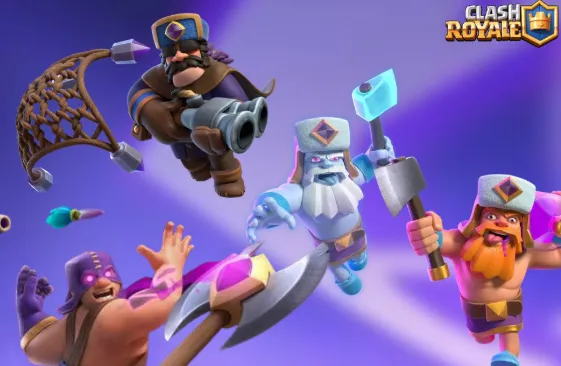
Heroes: Your First Champion Pick (Arena 5+)
Once you reach Arena 5, you’ll unlock the Hero system. Heroes are powerful cards with unique abilities that cost Hero Coins to activate during matches. In the March 2026 update, Supercell finally let players choose their first Hero instead of relying on random unlocks .
Best First Hero for Beginners: Hero Knight
Hero Knight is the safest and most versatile choice for new players. His Taunt ability forces enemy troops to attack him, protecting your fragile damage dealers. Even after a small nerf in March 2026, he remains the most forgiving Hero for learning the game .
Alternative: Hero Magic Archer
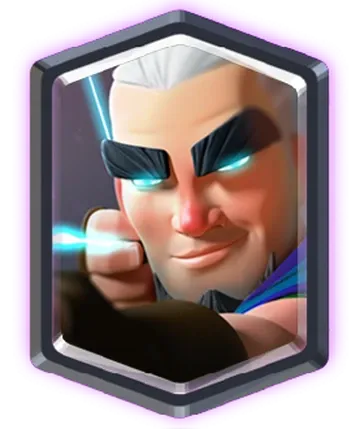
If you prefer a higher-skill, higher-reward playstyle, Hero Magic Archer fires piercing arrows that damage everything in a line. He’s excellent in control decks but requires precise positioning .
Critical Mistakes Beginners Make
1. Always Attacking the Same Lane
If your opponent defends one lane well, attack the other! Dropping your Giant in the same spot every time is predictable. Mix up your pushes to keep opponents guessing.
2. Overcommitting on Defense
Sometimes the best defense is no defense. If your opponent drops a 10-Elixir push in one lane and you can’t stop it, don’t throw good Elixir after bad. Instead, attack the opposite lane. You might trade towers, but that’s better than losing yours for free.
3. Forgetting About Spell Cycle
In close matches where neither player can break through, the winner is often the one who starts using spells directly on the tower. Once double Elixir hits and you have a lead, Fireball or Rocket the tower whenever you have spare Elixir.
4. Ignoring Card Levels
Your card levels matter. A level 8 Fireball won’t kill a level 10 Musketeer. Keep your core cards (the ones you use every match) at or above your King Tower level. Spread upgrades across all cards to avoid weak links.
5. Tilting After Losses
You will lose. Everyone loses. The key is recognizing when you’re "tilting"—playing emotionally instead of strategically. If you lose two matches in a row, take a 10-minute break. Watch your replay. Figure out what went wrong. Then queue again.
Conclusion: Your Path to Glory
Clash Royale is a game of infinite depth disguised as a simple mobile battler. The journey from Beginner to Arena 32 is long, but every master was once a beginner who refused to give up.
Most importantly, have fun. The Arena rewards patience, creativity, and grit. Every match teaches you something new. Every loss makes you stronger. Every victory brings you closer to becoming the legend you’re meant to be.
Now go—your Crown Towers are waiting. And remember: in Clash Royale, the player who manages their Elixir best... wins.
See you in the Arena!






 TOP UP WITH DISCOUNT NOW
Savannah Reed Experienced Game Editor
Savannah Reed is a senior game editor at LDShop.gg, specializing in in-depth coverage of RPG and strategy games. With a strong focus on titles like Wuthering Waves, Honkai: Star Rail and Whiteout Survival, she combines industry insight with firsthand player experience to deliver clear, informative, and actionable content. Her work is dedicated to helping gamers make smarter decisions—whether it’s understanding new updates or optimizing their in-game strategy.
