


Talent trees are one of those systems in Doomsday: Last Survivors that you can fumble through on your own, but getting it wrong early costs real time. The trees you pick — and the order you invest in them — depend on your hero type, troop composition, tech level, armaments, and how you actually play. This guide covers the general-purpose builds for each hero class, with notes on situational variations where they matter.
One thing to understand upfront: each hero has access to three talent trees chosen from a shared pool — trees aren't unique to individual heroes. You earn talent points as your hero levels up, and you need a fully maxed six-star hero to unlock every node. Until then, prioritize the path that serves your hero's main role and don't spread points across all three trees trying to cover everything.
Gathering Hero Talent Builds
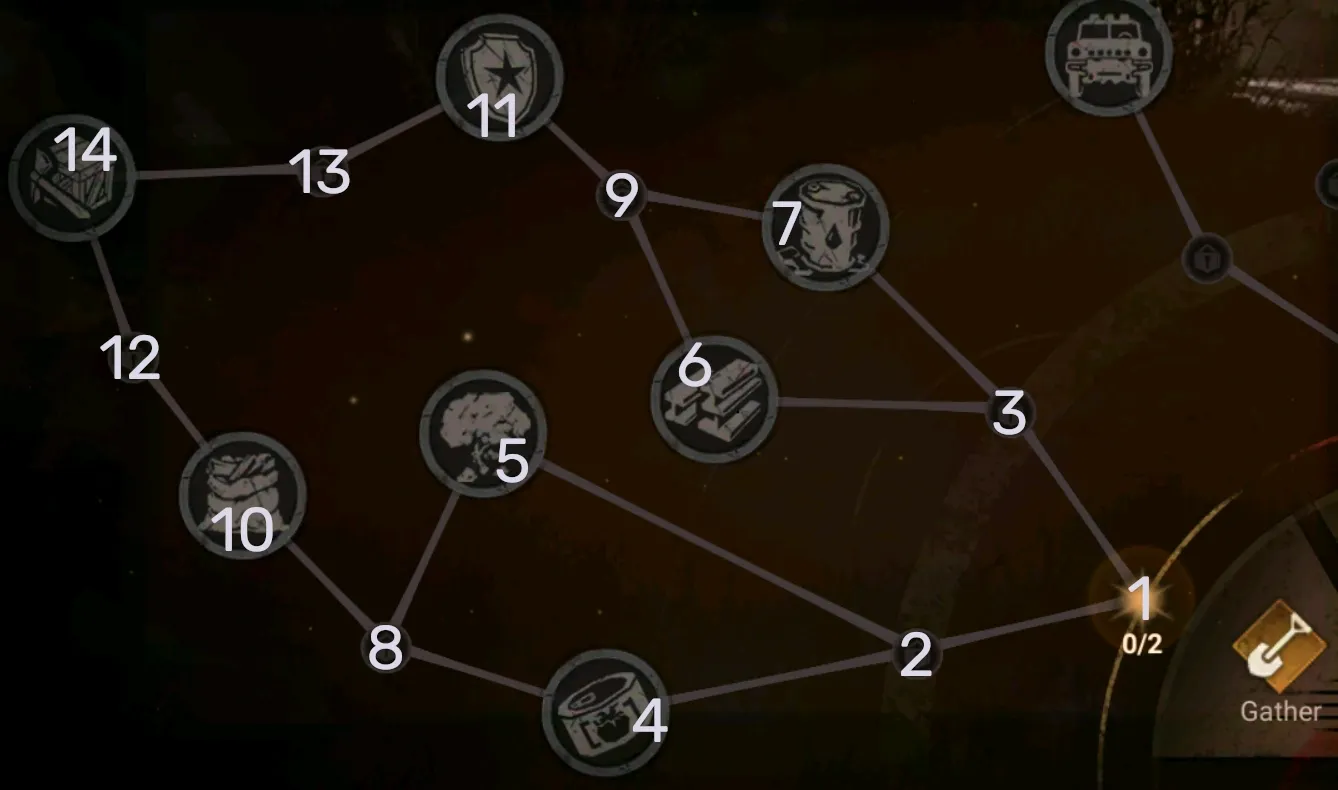
Gathering heroes are the most straightforward class to talent. Every gathering hero should go straight into the gold Gather tree first, and if they have the Overall tree as one of their options, that should be your second stop.
Start by pushing toward the Bonus Yield node as fast as possible. This gives you 7.5% more resources per gathering trip — small per run, massive over dozens of trips per day. From there, pick up the resource-specific nodes relevant to that hero (steel for steel heroes, oil for oil heroes) and push toward the core gathering speed capstone. You need 31 talent points to reach it, which lands around hero level 31–32, so it's achievable well before you max the hero. A fully completed gold gather tree gives 30% gathering speed — you'll typically need four or five stars to get all the way there.
If your hero has the Overall tree, invest in it after the gold tree. The key pickup here is increased squad capacity, which also comes with engine defense, engine speed, and engine travel speed. More squad capacity means more resources per trip from nodes, and more troops when you're raiding shelters for loot. The engine speed bonuses also help you reach nodes faster and return sooner, effectively giving you more gathering cycles over time.
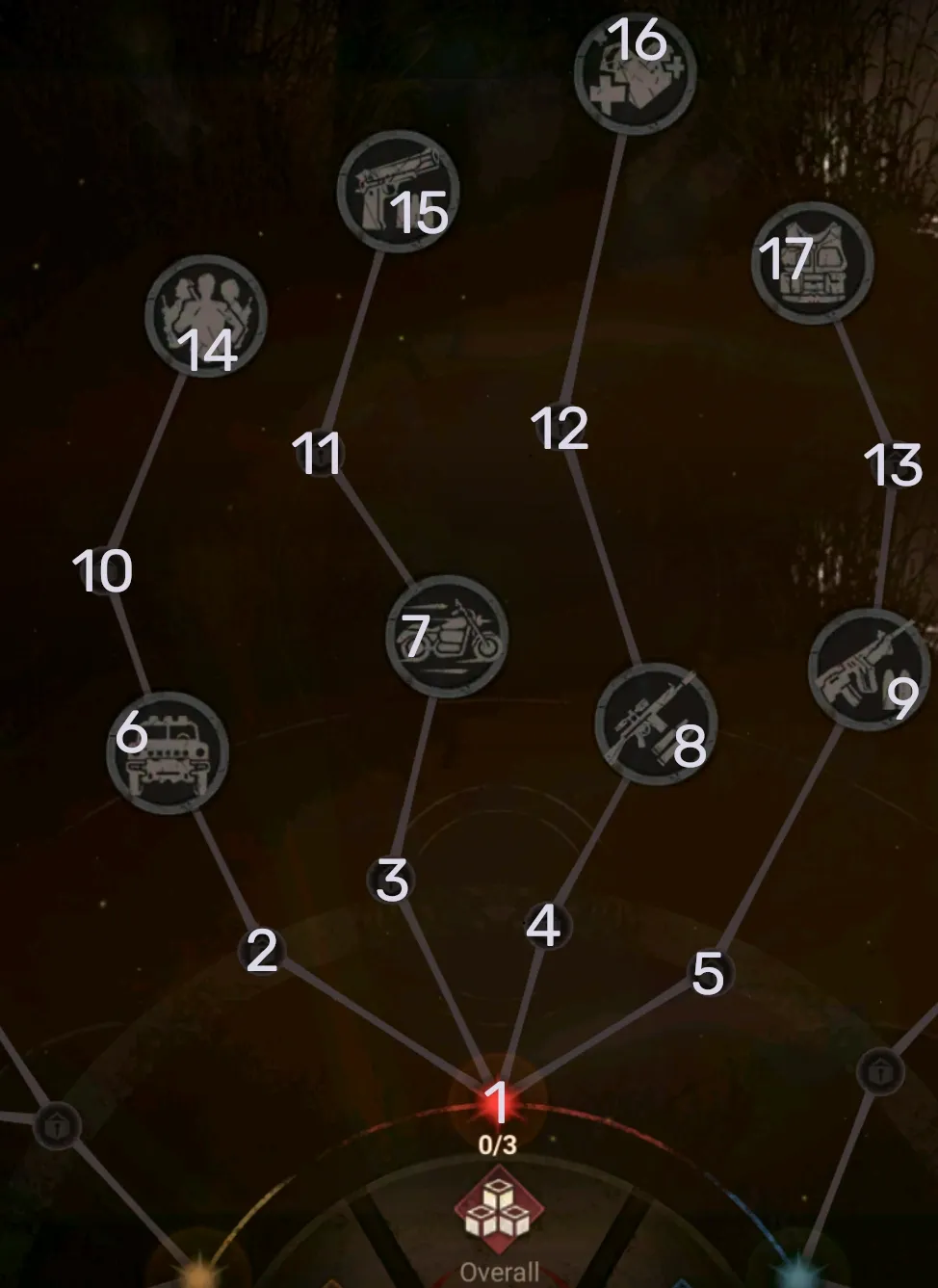
The last handful of free points don't matter much. You can drop them into healing reduction, troop-specific attack, or reduced heavy wounded — whatever feels useful for how you use that hero. The gathering specialist typically gets used for raiding bases too, so reduced casualties on your cars isn't a bad call.
Rider Hero Talent Builds
Riders split into two meaningful archetypes: skill damage heavy hitters and speed-focused chasers. The talent investment looks quite different between them.
Skill Damage Riders
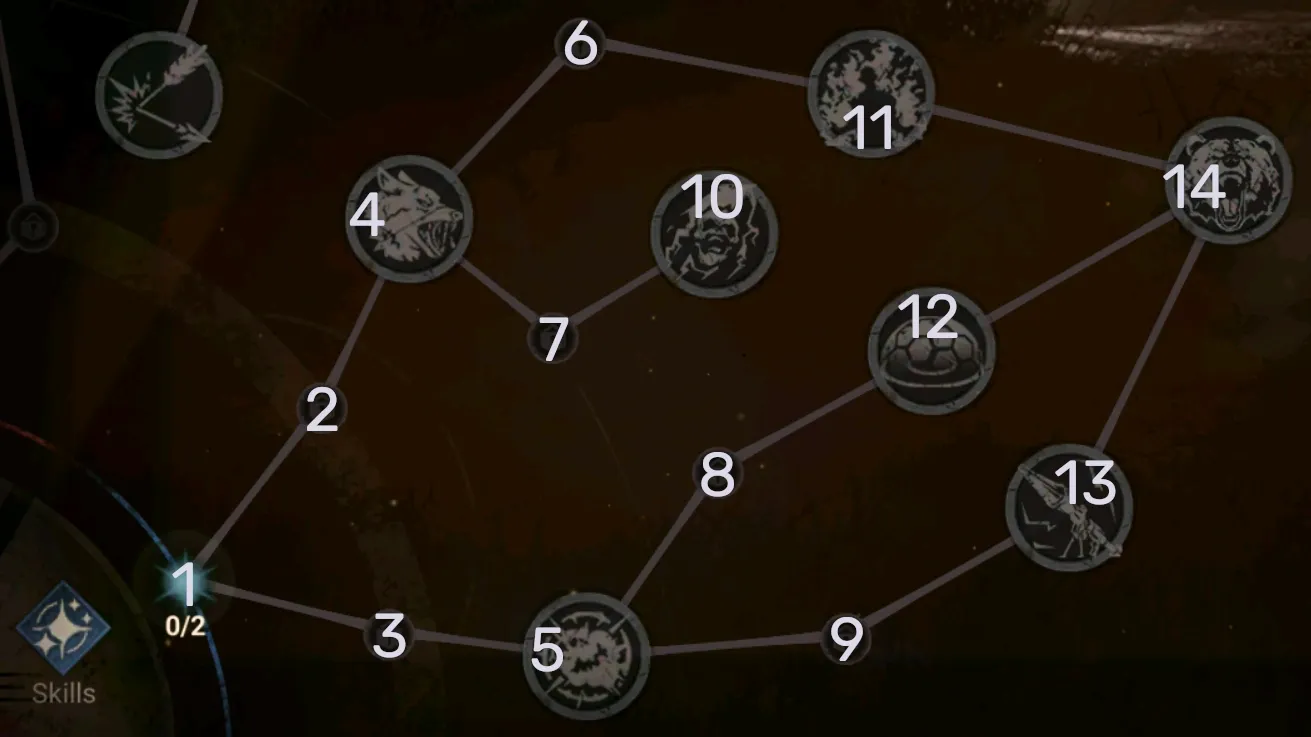
For heavy-hitting riders like Catherine, max out the blue Skills tree first to pick up skill damage bonuses, then bring up the red tree for Rider Attack. In the red tree, skip the Double-Edged Sword node — it increases your damage output but also increases the damage you take, which is a bad trade for a troop type that depends on staying mobile and not getting locked down. If you want the extra durability, the Resin Guard node (reduced skill damage taken) is the better alternative.
The travel speed node in the red Rider Squad tree is worth considering too. Getting in and out of engagements faster is genuinely useful for riders even in the heavy hitter build. Gold tree is irrelevant for combat riders — skip it entirely.
Speed/Chaser Riders
The speedster build is built around one loop: chase, hit, disengage, reset, repeat. The blue tree field battle should be pushed at minimum to Pace Change — a 15% speed boost for 10 seconds after leaving a battle. That's the cornerstone of the whole playstyle.
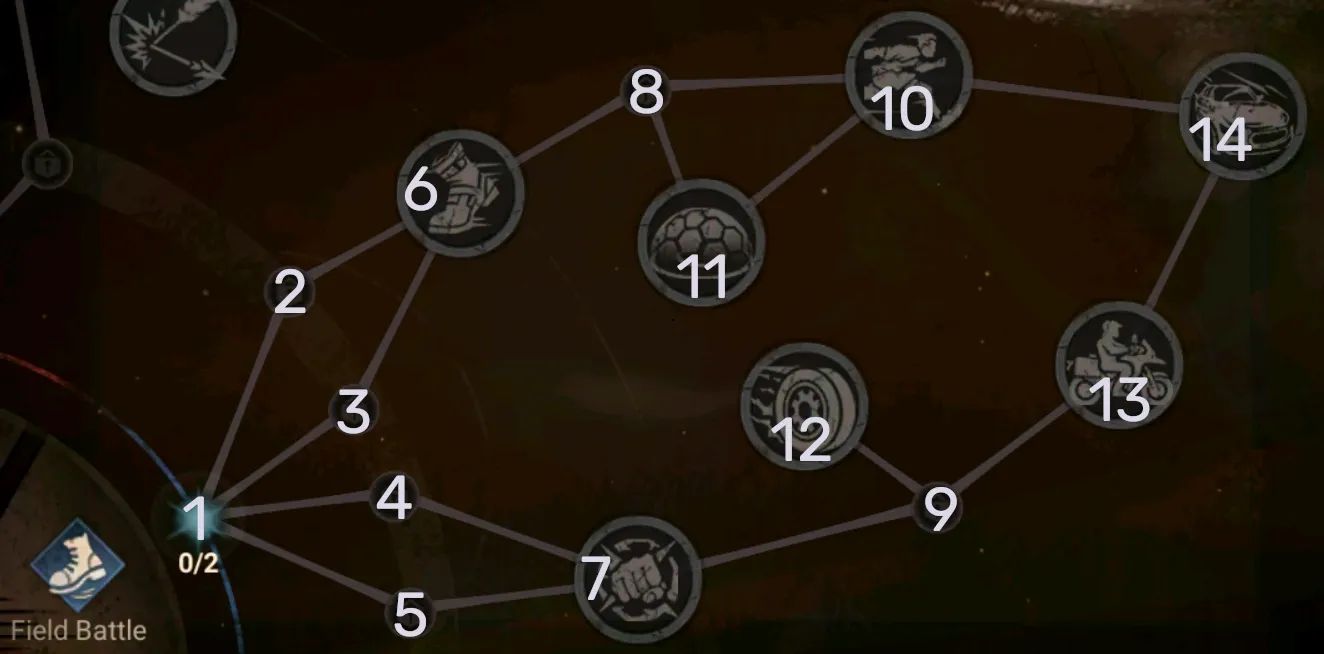
From there, build toward Fighting Spirit in the red tree, which increases your damage by 15% for the first 10 seconds of battle. The combo works like this: you chase down an enemy and engage, they turn to fight back, you duck into a resource node to end the battle, they start chasing you, the battle ends and Pace Change kicks in, you outrun them, turn around, re-engage, and Fighting Spirit is active again for the opening exchange. With both nodes cycling consistently, it becomes very hard for enemies to shake you or outrun you for long.
You can also pick up the 6% chance to be immune to slow effects node if you want extra insurance against enemies trying to kite you. The remaining points can go toward HP or attack depending on your preference.


Infantry Hero Talent Builds

Infantry heroes come in two varieties — skills-focused and defense-focused — and the skills-focused hero should be your squad leader. They deal more damage and perform better in active field combat. Defense-oriented infantry heroes are better suited to garrison support rather than leading marches.
Using Meow as an example (a skills infantry hero), the core build is maxing the blue Skills tree to reach Predator's Rage — triggered at 20 rage, it delivers a significant overall damage boost that compounds well with how infantry fights. After that, the red tree can go toward basic attack increases and travel speed if you want to play an aggressive hunter role in the field.
If you'd rather stand your ground and fight rather than chase, Burning Passions is a strong alternative path. You can invest heavily into Burning Passions and only take a single point from Predator's Rage. It's a personal preference call, and both are legitimate depending on whether you're an aggressive roamer or a more reactive fighter. Try both and see which suits how you play infantry.
Ranger Hero Talent Builds
Rangers deal their biggest damage through skills, so almost every ranger should be built the same way regardless of individual hero: max the blue skill tree first to get skills firing faster, then invest in skill damage nodes on the left side.
After the blue tree, pick up High Precision Blast in Ranged Squad tree for 7.5% skill damage dealt, then Armor Breaking Bullets for 6% squad attack, and the node that grants +5% squad attack when your remaining squad size drops below 50%. That last one might seem counterintuitive — why build around being low health? Because rangers aren't a defensive class. You're not running away from a fight, so when you drop below half strength, the right move is to output as much damage as possible on the way out. May as well go out swinging.
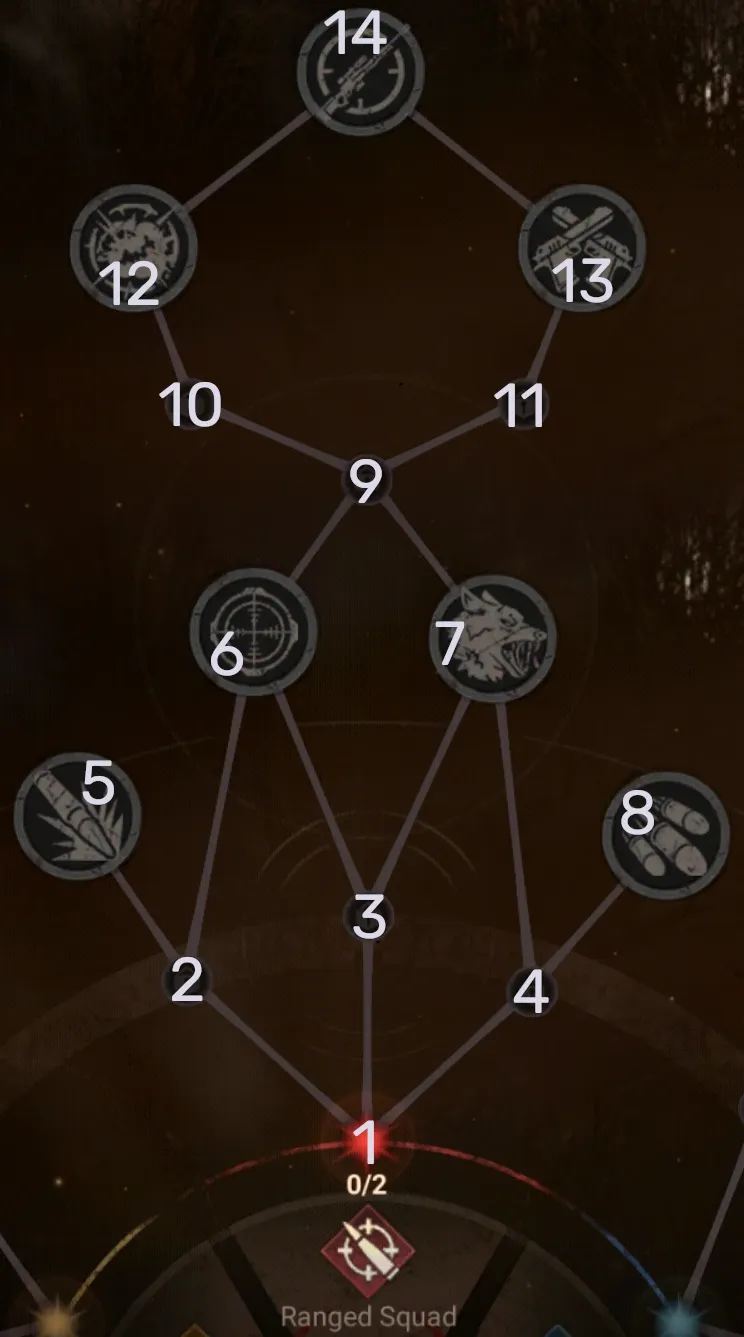
Gold tree is always a skip for combat rangers.
Rally and Garrison Rangers
For rally and garrison builds, the same skill and rage framework applies. You can shuffle a few points toward HP or attack over some of the field-specific nodes, and the Siege tree is worth dipping into slightly — it offers some attack, some defense, and marginally reduces deaths. But the skill damage and rage regen combination is still the core of what makes rangers effective in rallies and behind walls alike.
If you feel like your hero's rage skill isn't triggering often enough, double down on the blue rage tree. If it's already firing regularly and you have spare points, consider moving them toward the ranger-specific capstone or red tree attack nodes. Read your battle reports and let the results guide the fine-tuning.
Zombie Hunter Talent Builds
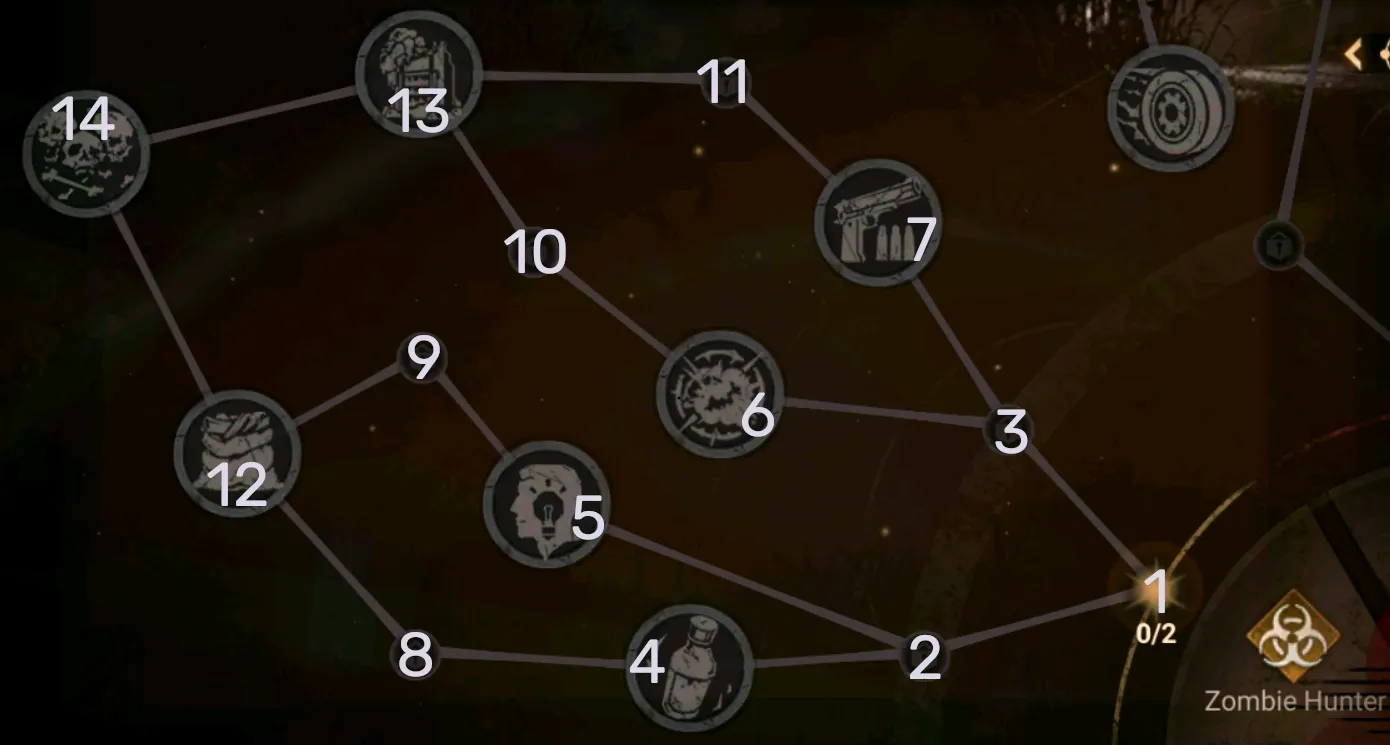
Zombie hunters are the simplest class to talent: max the gold Zombie Hunter tree, then dip into the Support tree for extra rage regen. That's essentially it.
The most important early pickup is Spoils of Battle, which gives you 15 resource packs per zombie killed. The number of packs this generates adds up fast, and in the early game those resources make a real difference for building and research. Grab the skill damage and basic attack damage nodes early as well — these become available at 31 talent points, the same threshold as the gathering tree capstone, so prioritize reaching them quickly.
Zombies aren't particularly difficult enemies, and the hero's job here is efficiency: kill fast, collect resources, generate hero EXP. Keep the build focused on that and you won't go wrong. Don't bother mixing in PvP-focused nodes — if you need a combat hero, use a dedicated combat hero instead.
A Special Gift Just for You!
LDShop has a special deal for you—copy the exclusive code "LDSHOP5FF" and get a 5%OFF coupon for your next purchase! You can redeem the coupon by pasting the code in your Personal Center page, or redeem it directly at checkout. Please click the button below to top up now!


Discount code validity period: 2026.04.01 00:00:00 - 2026.09.30 23:59:59
Quick Reference: Talent Priority by Hero Type
|
Hero Type |
Primary Tree |
Secondary Tree |
Skip |
|
Gathering |
Gold Gather (Bonus Yield first) |
Overall (squad capacity) |
Combat trees |
|
Skill Damage Rider |
Blue Skills |
Red Rider |
Double-Edged Sword, Gather |
|
Speed/Chaser Rider |
Blue (Pace Change) |
Red (Fighting Spirit) |
Gather tree |
|
Skills Infantry |
Blue Skills (Predator's Rage) |
Red attack/speed |
Defense tree (field use) |
|
Ranger |
Blue Skills |
Ranged Squad damage nodes |
Gather tree |
|
Zombie Hunter |
Gold Zombie Hunter |
Support (rage) |
PvP combat trees |
FAQ
Do I need a six-star hero before talent builds matter?
No — key nodes like Bonus Yield for gatherers or Pace Change for speed riders unlock well before max star. Focus on reaching the 31-point threshold early, which lands around hero level 31–32. Build toward one core node at a time rather than spreading points thin.
Is the Double-Edged Sword node ever worth taking?
In most cases, no. The damage increase is real, but so is the increased damage taken. For riders especially, survivability and mobility are what keep you effective — trading defense for offense makes engagements more volatile in a way that rarely favors you.
Should I change my ranger's talent build for rally vs. field?
The core stays the same (rage + skill damage), but you can shift a few points. For rallies, a bit more HP or a dip into Siege isn't wrong. Don't overhaul the whole build — just minor adjustments around the edges.
My infantry hero has both Predator's Rage and Burning Passions available. Which is better?
Both are viable. Predator's Rage suits an aggressive roaming playstyle where you're constantly engaging and re-engaging. Burning Passions works better if you tend to hold position and fight on your terms. Try one, read your reports, and switch if the numbers aren't there.
Can zombie hunter heroes be used for PvP if I talent them correctly?
Not efficiently. The zombie hunter trees are purpose-built for PvE efficiency. If you need field combat or garrison coverage, use a hero specced for that role. Mixing the talent paths waters down both functions.
Need more guides on hero builds, resource management, or top-up options for Doomsday: Last Survivors? Head over to LDShop for updated content and support.






 TOP UP WITH DISCOUNT NOW
Sylune Experienced Game Editor
Sylune is a senior game editor at LDShop.gg, specializing in in-depth coverage of RPG and strategy games. With a strong focus on titles like Wuthering Waves, Honkai: Star Rail and Whiteout Survival, she combines industry insight with firsthand player experience to deliver clear, informative, and actionable content. Her work is dedicated to helping gamers make smarter decisions—whether it’s understanding new updates or optimizing their in-game strategy.
