


PvP in Last Asylum: Plague isn't about bigger numbers. It's about mechanics.The right squad composition, proper scouting, and understanding type matchups will beat raw power almost every time.
This guide breaks down exactly how PvP works — from the rock-paper-scissors hero system to alliance warfare coordination — so you can stop losing fights you should have won and start dominating your server.
👇LDShop offers the best deals to top up Last Asylum: Plague. Visit the Last Asylum: Plague top up page to see more.

The Hero Type Triangle
At some point, Most players slam into a mechanic they've been ignoring: hero types and counter matchups.
There are three hero types in Last Asylum: Plague: Warriors, Rangers, and Warlocks.They operate in a direct counter relationship. One type outperforms another. This isn't a minor stat adjustment — it's the difference between winning comfortably and getting wiped.
This is where the gap between a "strong" squad and a "correct" squad appears.
The core principle: If your opponent is stacking Warriors and you respond with the same or a random mix, the fight will be painful. But if you adjust and field the counter type, the situation flips immediately. You can beat players with significantly higher investment simply by bringing the right tools .
Why do so many players ignore this? Because it's not obvious. The interface emphasizes rarity, power level, and damage numbers — not type interactions. The result is a lot of players thinking "everything is upgraded but nothing works."
Once you start playing through counter-picks, PvP becomes stable. Less randomness, more predictability. And you quickly realize you need multiple squad variations for different opponents, not just one "best" lineup.


Best Heroes for PvP
Not all heroes are created equal for PvP. Some dominate in Rat Swarm (PvE) but fall off against other players. Others are PvP specialists whose value skyrockets when facing human opponents. Here's the breakdown of who actually earns their spot.
S-Tier: The Non-Negotiables
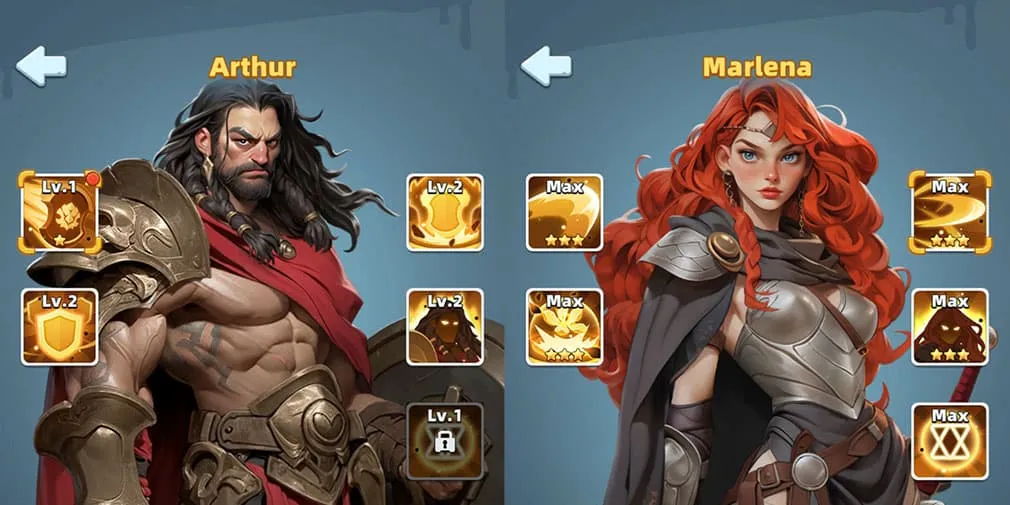
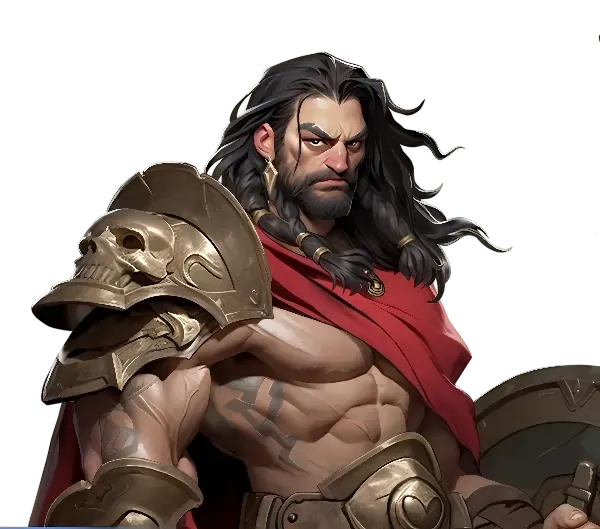
Arthur (UR, Warrior/Tank) is the best tank in the game, period. His kit revolves around team-wide damage reduction and shield generation. In PvP, where burst damage decides fights, Arthur's ability to keep your entire squad alive through the initial volley is irreplaceable. His ultimate reduces physical damage taken by nearby allies, and his passive further reduces damage for all tank heroes on your team. If you can only max one hero for PvP, make it Arthur .
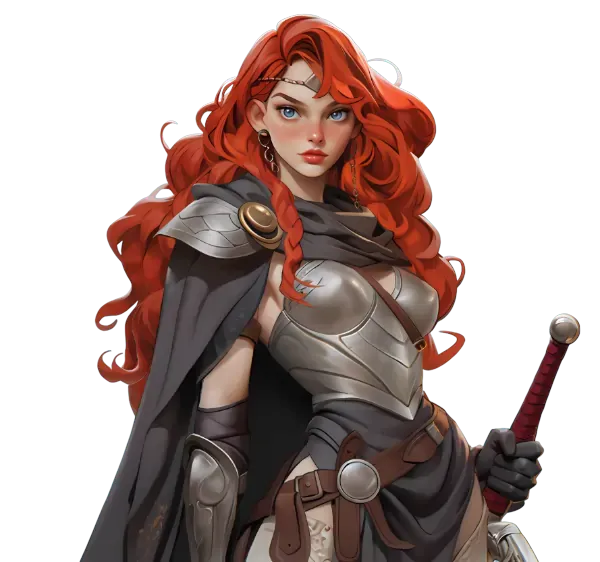
Marlena (UR, Warrior/Carry) is the premier burst damage dealer. Her scaling is absurd at high investment — multiple sword-wind attacks that hit random enemies, passive energy damage boosts, and self-buffs that reduce cooldowns. Positioned behind Arthur, she eliminates priority targets before they can become problems. In PvP, where fights are often decided in the first 15 seconds, Marlena's opening burst is a win condition .
A-Tier: Strong Role Players
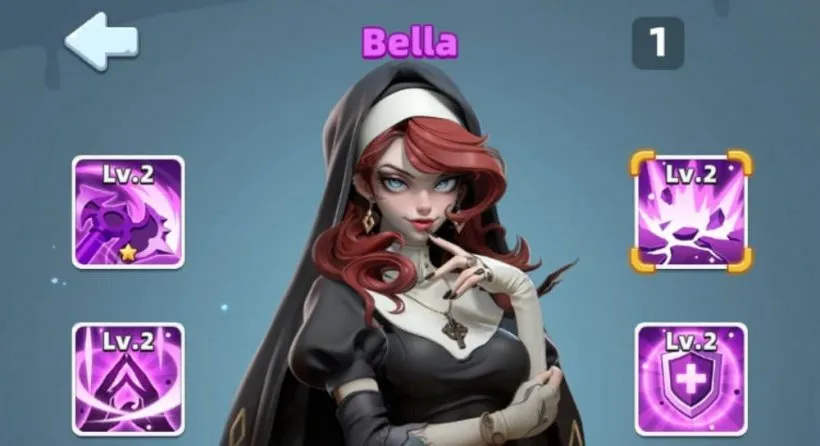
Bella (SSR, Warrior/Tank) is the best alternative if Arthur isn't available. She's more PvE-leaning thanks to her monster damage reduction, but she still provides reliable frontline durability and attack debuffs in PvP. A maxed Bella outperforms an under-invested Arthur every time .
Grenwald (SSR, Warlock/Carry) is the definition of a glass cannon. His magic damage output is exceptional, and his AoE soul magic punishes clustered enemies. The catch: he melts if your frontline collapses. Pair him with Arthur or don't run him at all .

Griffith (SSR, Ranger/Tank) is a ranged tank with a unique value proposition — his spirit snake ability reduces monster damage, which is less relevant in PvP, but his single-target burst and team damage reduction still make him a solid flex pick against physical-heavy opponents .
Best PvP Teams
Individual heroes matter, but synergy decides squad output.The most successful PvP lineups in Last Asylum: Plague follow a consistent template: one anchor tank, one primary DPS carry, and flexible slots for support or secondary damage .
The Core Framework
|
Role |
Hero Options |
What They Do |
|
Anchor Tank |
Arthur (UR), Bella (SSR) |
Absorbs damage, protects the team, enables your carries to do their jobs |
|
Primary DPS |
Marlena (UR), Grenwald (SSR) |
Eliminates priority targets, applies pressure, wins fights |
|
Flex/Support |
Stellar (SSR), Claire (SSR), Griffith (SSR) |
Buffs, secondary damage, or specialized counter-picks |
Example PvP squad: Arthur (tank) + Marlena (DPS) + Stellar (support) + Claire (secondary DPS) + flex slot for counter-picking.
Stellar deserves special mention for PvP. Her ultimate increases allied damage against monsters — less relevant against players — but her emergency heal passive(triggers when she dies, healing the lowest-HP ally) can completely swing a close fight. She's not your highest investment priority, but she's a force multiplier .
The Double-Tank Alternative
Some top players run two tanks in PvP — typically Arthur + Bella. This creates a frontline that's nearly impossible to crack before your damage dealers finish the job. The trade-off is slightly slower kill speed, but against burst-heavy opponents, the extra durability wins fights .
Alliance PvP: Why Solo Play Has a Ceiling
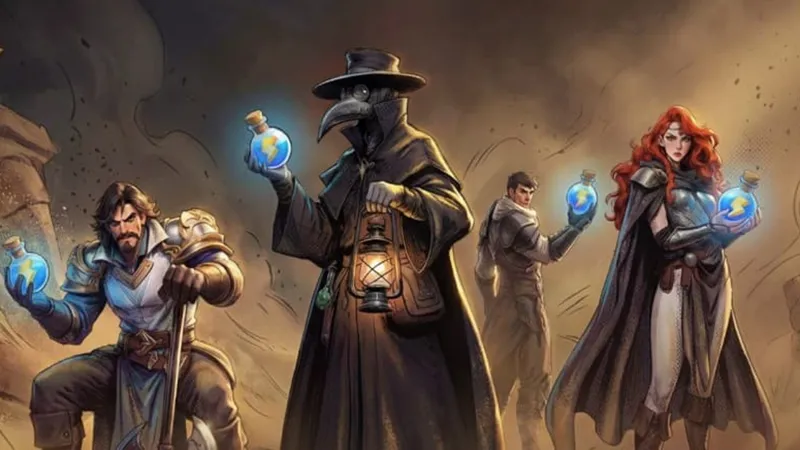
Playing solo, PvP feels manageable. Find a target, attack, collect — simple. But Last Asylum: Plague expands dramatically once you engage with alliance-level PvP. Events appear where your individual strength matters far less than your alliance's coordination. This is where many players realize they've been playing at half-capacity.
Fortress Battles and Territory Control
The main PvP endgame is fighting over fortresses and the capital city.Alliances mass together, pick a target, and apply pressure. Multiple alliances can show up, turning engagements into large-scale warfare.
After a fortress falls, the critical phase begins:occupation.Garrison slots are limited (roughly 30 squads), and the objective is to hold the position. Battles can last an hour or more. Squads get knocked out constantly, slots open up, and enemies press from all directions. Reinforcements arrive slowly — if your garrison starts crumbling, you need to actbeforeit's too late .
Why Coordination Beats Power
Even a strong alliance can lose if members act out of sync. Someone doesn't join, someone leaves early, someone isn't paying attention to callouts — and the point flips. Perimeter towers are often ignored but critical. If the enemy captures them, they deal bonus damage to your garrison, accelerating your collapse. You can hold the center and still lose to side pressure .
The takeaway is blunt: without a proper alliance, PvP doesn't fully function.You can farm and level heroes indefinitely, but without a team, you're either participating formally or sitting on the sidelines. And the main rewards and progression come from these events.
Elixir Scramble: The 30-Minute Coordination Test
Elixir Scramble is a 30-minute alliance-vs-alliance event that perfectly illustrates why coordination trumps individual power. Two alliances compete for points by capturing buildings, gathering from camps, and eliminating enemy Doctors .
Building capture priority:
- Phase 1 (Minute 0):Observation Platform first — it boosts point generation fromalloccupied buildings by 10%. Immigration Portal second (halves relocation cooldown). Healing Tent third. Alchemy Workshop last.
- Phase 2 (Minute 10):Elixir Castle is the highest-value building (80 alliance points/second). War Relic (+15% hero stats) and Cursed Altar (-15% enemy hero stats) create a 30% effective stat swing when held together.
- Phase 3 (Minute 13):Camps spawn — send lower-power members to gather while fighters hold buildings .
The winning principle: A solo whale can be killed by a coordinated group. Alliances with assigned targets, a designated shot-caller, and a clear plan will beat stronger alliances that treat events like free-for-alls .
Shields: Understanding the Mechanics
There's one PvP mechanic that frustrates nearly every new player: shields.You find a target, prepare your attack, get ready to strike — and the player has an active shield. No fight.
At first this feels like an arbitrary restriction. But shields are simply a defensive mechanic. Players activate them when logging off or protecting resources. The system is logical.
The problem arises when you don't account for shields. You can burn time scouting, preparing, positioning — and hit a wall. You lose time, not resources.
Once you internalize this, your approach to PvP changes. You stop fixating on individual targets and start scanning the broader landscape:Are there open targets? Does attacking now make sense, or should you pivot?This eliminates unnecessary frustration. You play with the mechanic, not against it.
Shields also impact mass-PvP events. In Elixir Scramble, some players shield up, reducing total engagements. But that doesn't "break" PvP — it just shifts focus to point accumulation, activity timing, and opportunistic strikes. Eventually, you start using shields yourself: activate them when needed, preserve resources, and choose exactly when to fight.
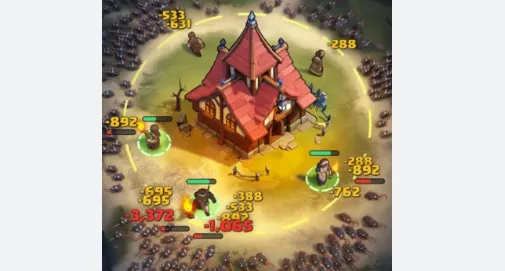
Spending Priority for PvP-Focused Players
At some point, you'll identify exactly where your account is bottlenecked — maybe you need one more star on Arthur, maybe your Marlena is under-invested, maybe you're short on speedups for a critical upgrade. This is where spending enters the conversation.
The core principle: Spending doesn't replace game knowledge. It amplifies what you're already doing correctly. If your fundamentals are weak, money won't fix them. If your fundamentals are solid, targeted investment accelerates results dramatically.
|
Priority |
Item |
Why |
|
1 |
Monthly/Battle Pass |
Best diamond-per-dollar ratio in the game. Consistent daily income funds everything else |
|
2 |
Hero banner packs (S-tier targets) |
Direct path to maxing Arthur and Marlena — your PvP core |
|
3 |
VIP progression |
Permanent bonuses to production, building speed, and stamina. High early ROI, diminishing later |
|
4 |
Speedups and resource bundles |
Fill gaps for time-sensitive upgrades. Accumulate through events first, buy only when necessary |
The golden rule: Concentrate investment. One fully maxed Arthur + one fully maxed Marlena will carry you through PvP content that five half-built heroes can't touch. Depth over breadth, always .
Common PvP Mistakes That Cost You Fights
Even with a solid squad and proper scouting habits, certain errors will sabotage your PvP performance. Here are the most frequent ones:
1. Running the Same Squad Against Everyone
Auto-piloting one lineup into every fight works against weak opponents. Against players with game knowledge, it gets you countered. Always check scout reports and adjust.
2. Obsessing Over Power Numbers
Higher combat power doesn't guarantee victory. A well-constructed counter squad with lower numbers will beat an unfocused high-power lineup consistently.
3. Under-leveled Core Heroes
Your squad is only as strong as its weakest link in the core roles. If Arthur is maxed but Marlena is half-built, your damage output collapses. Invest deeply in your 2-3 core heroes before expanding .
4. Playing on Autopilot
Attack, collect, move on — without analyzing what happened. If you don't understandwhyyou won or lost, you can't improve. Watch replays. Note which heroes performed and which didn't. Adjust.
5. Ignoring Survivor Assignments
This is free power that most players leave on the table. Assign survivors with relevant skills to production buildings — especially Herb Gardens for medicine. Better economy = faster upgrades = stronger PvP squads. It costs nothing but attention .
Join the LDShop Discord Community and Claim Your Free Rewards!
Join the official LDShop Discord and get $10 in LD Gold, exclusive coupons, and in-game gift packs — all for free!

What you’ll get inside:
- 🎁 Exclusive coupons & free gift packs to help you progress faster in your games
- 🎉 Giveaways and lucky draws for rewards like $10 LD Gold and more
- 👥 A community of players sharing tips, deals, and game updates
Conclusion: PvP Is a System, Not a Slot Machine
PvP in Last Asylum: Plague seems chaotic at first, but it's actually a system of interlocking mechanics. Scout reports reveal enemy compositions. Type match ups determine engagement outcomes. Squad synergy multiplies individual hero value. Alliance coordination turns individual power into collective dominance.
You'll lose fewer resources, win more fights, and actually enjoy the competitive side of Last Asylum: Plague.






 TOP UP WITH DISCOUNT NOW
Sakura Experienced Game Editor
"Beep! Your subscription to hardcore gaming strategist 'Sakura' is now active! In this realm of fantasy and adventure, I navigate the vast landscapes of Genshin Impact, traverse the cosmic odyssey of Honkai: Star Rail, and brave the post-apocalyptic ruins of Zenless Zone Zero – uncovering hidden secrets and unlocking epic quests. As a veteran player-editor hybrid, I dissect everything from character skill synergies and tactical battle layouts to efficient resource farming and optimal team compositions. My mission? To deliver razor-sharp, comprehensive guides that empower players to dominate colossal bosses, crack intricate puzzles, and glide through gaming challenges with style. Ready to level up? Let’s rewrite the rules of victory together!
