


Alright, so Prism 2033 dropped 9 minutes of gameplay and… yeah, this game is basically cyberpunk chaos + anime energy + “rookie gets thrown into world-ending crisis” simulator. One second you’re shopping and getting scammed by a vending machine with attitude, the next second you’re dodging bullets, test-driving weapons, and being told “don’t embarrass me” like it’s your first day at work.
If you’re confused about what’s actually going on—don’t worry, same. This guide breaks down everything important from the gameplay: combat system, weapons, vehicles, progression, and the whole parallel world apocalypse situation. No filler, just what you need to understand before jumping in.
Core Gameplay Overview
From the footage, Prism 2033 is a third-person action RPG set in a futuristic city that blends real-world environments with virtual/parallel dimensions.
You play as a rookie investigator working for the Haven Bureau, a group dealing with anomalies, crime, and interdimensional threats. The tone constantly swings between serious missions and absurd NPC interactions—which seems intentional.
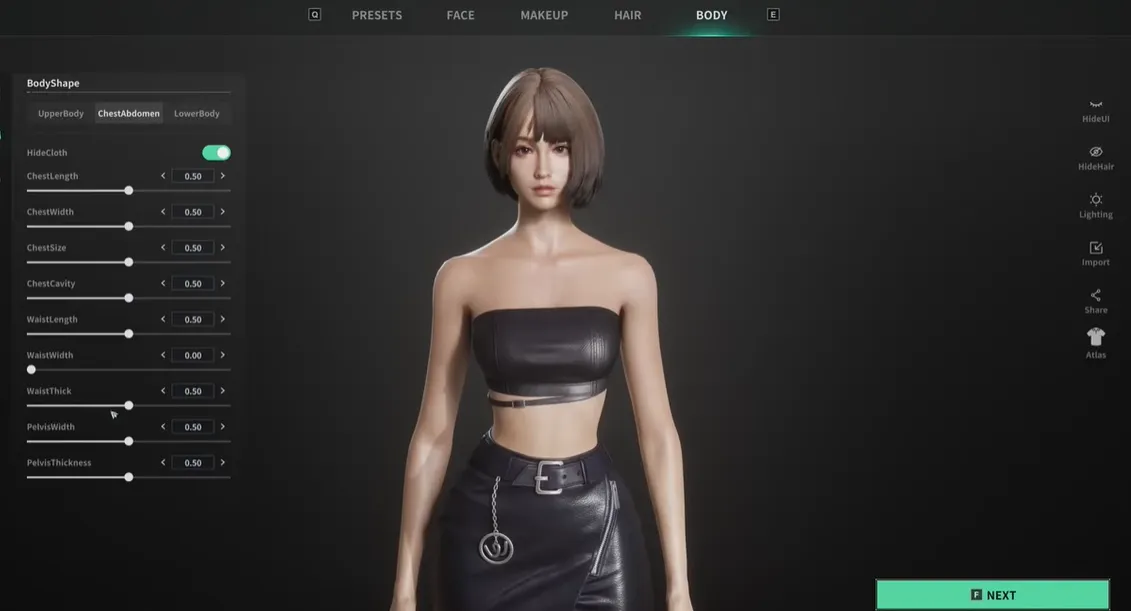
You can also freely customize your character’s appearance, shaping your own model to fit your style.
Key pillars:
- Fast-paced combat (guns + abilities)
- Narrative-driven missions
- Exploration in a dense cyber city
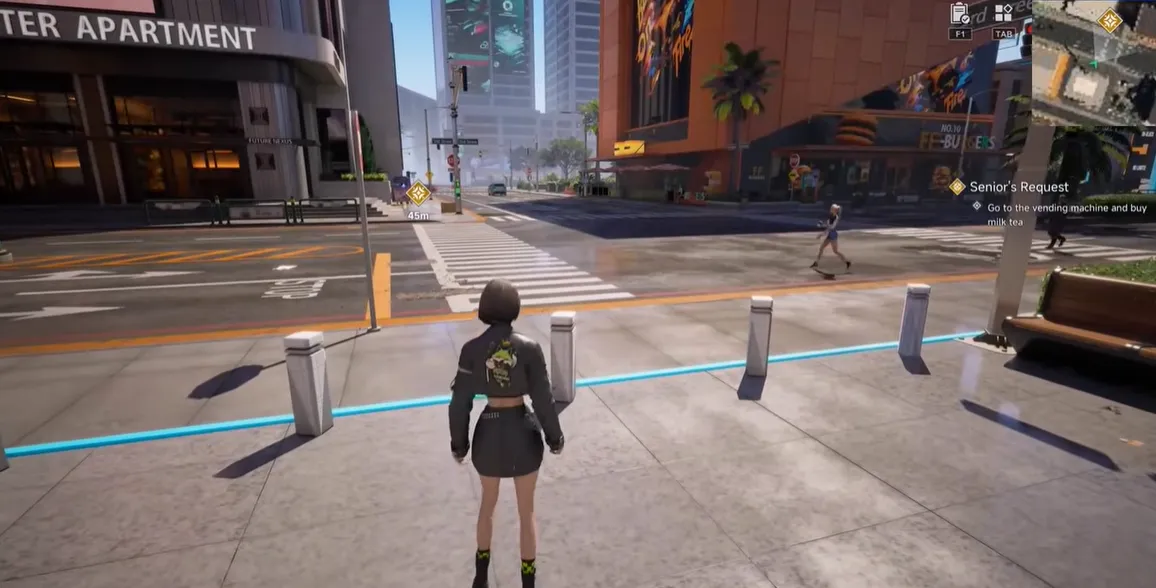
- Parallel world mechanics
Combat System
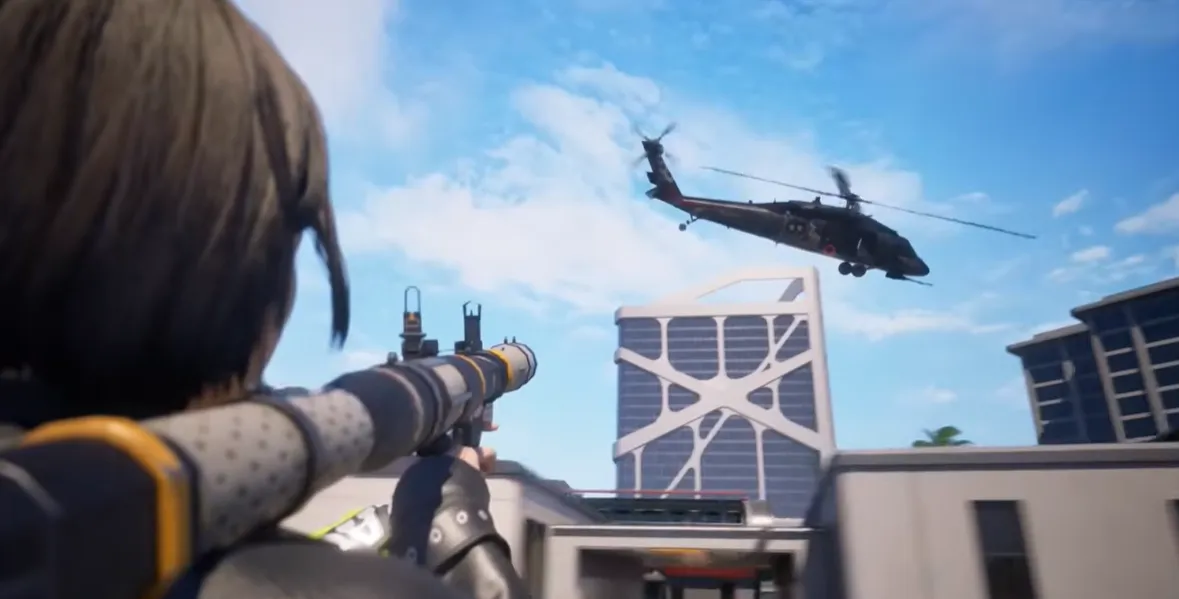
Combat looks like a mix of:
- Shooter mechanics
- Ability-based bursts
- Mobility-focused dodging
What stands out:
- High speed engagements — enemies rush you, forcing constant movement
- Impact-heavy gunplay — every weapon has noticeable recoil and feedback
- Skill-based flow — not just shooting, timing matters
There are moments where the game throws multiple enemies at once, suggesting:
- Light crowd control mechanics
- Possibly combo chains or ability rotations
Weapons & Gear
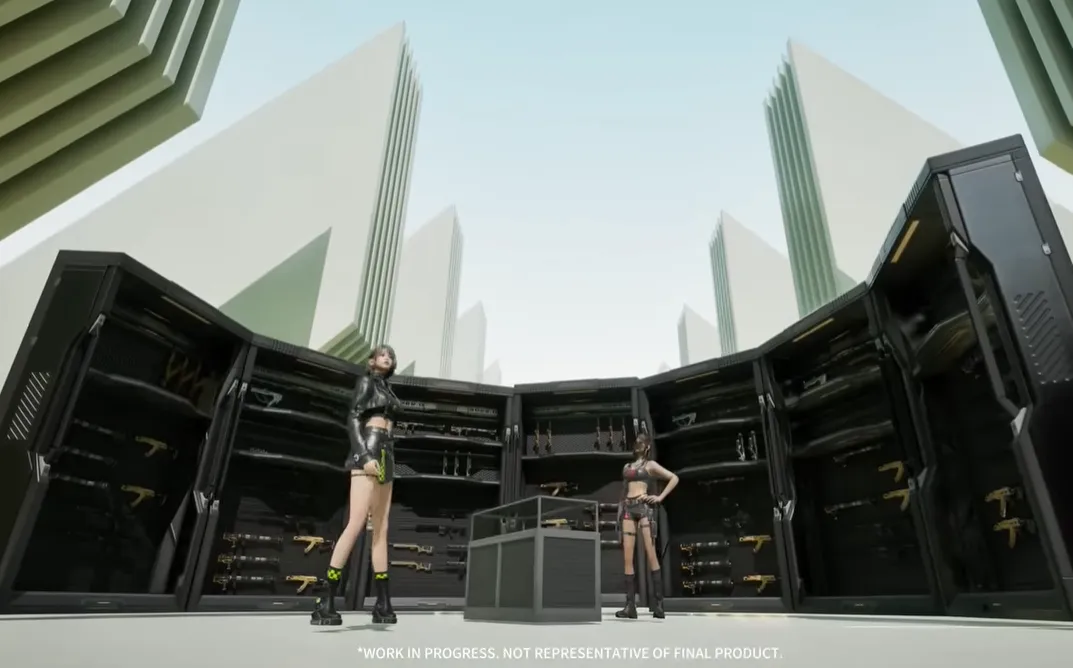
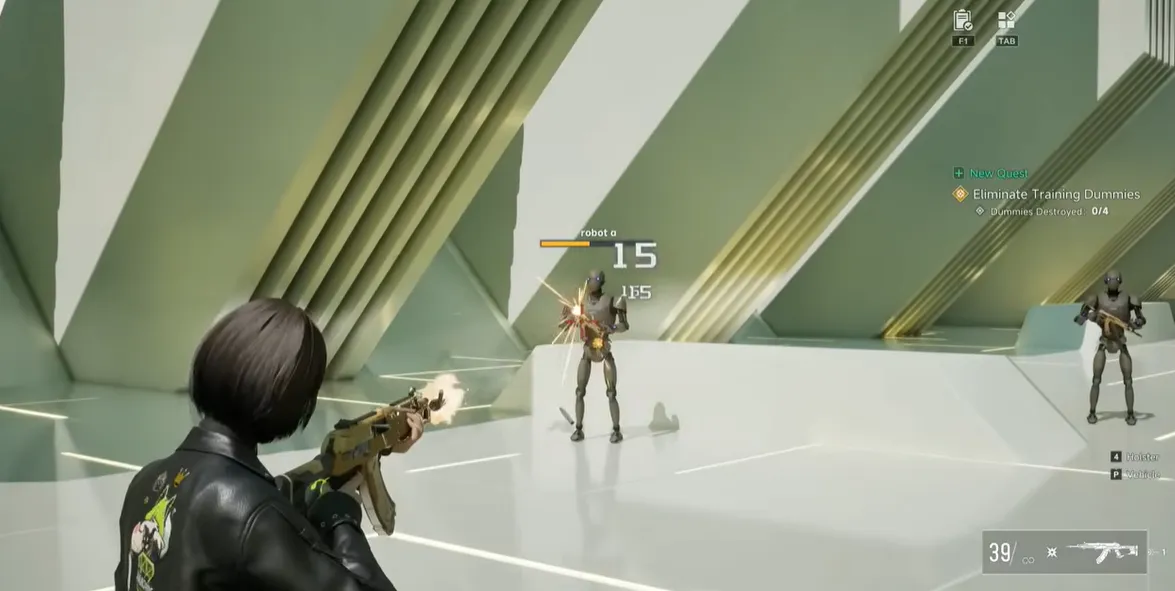
The gameplay introduces several weapons during the “rookie test” phase.
Notable examples:
- SSA 107
Modified weapon
“Punchier than stock” → likely upgrade/customization system
- SR77 Viper
High precision weapon
“One trigger pull, one cap” → strong single-target damage
Key takeaway:
Weapons aren’t just pickups—they’re modifiable tools, likely tied to progression systems.
Vehicles & Driving
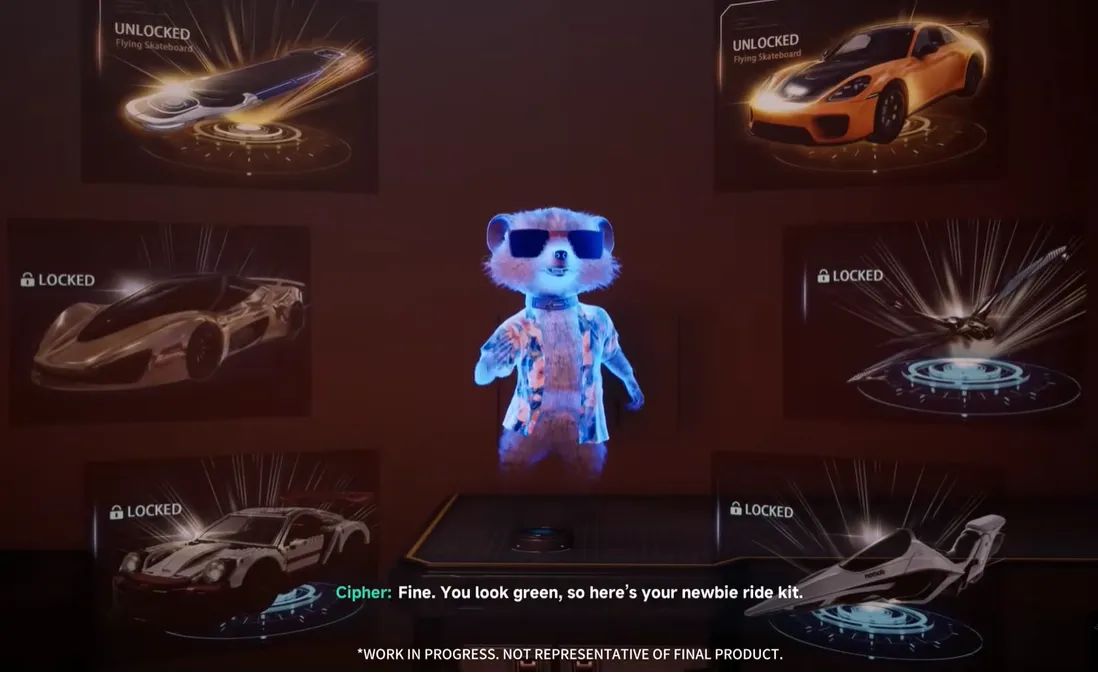
Yes, there are cars—and not just for decoration.
You’re given a “newbie ride kit”, implying:
- Vehicles are part of progression
- Better cars require grinding
Tone-wise:
NPC literally says: “Want something fancy? Go grind.”
So yeah—no free luxury cars here.
World Design: Cyber City + Parallel Worlds
The setting is one of the strongest aspects.
Two layers:
Main City (Cyberpunk vibe)
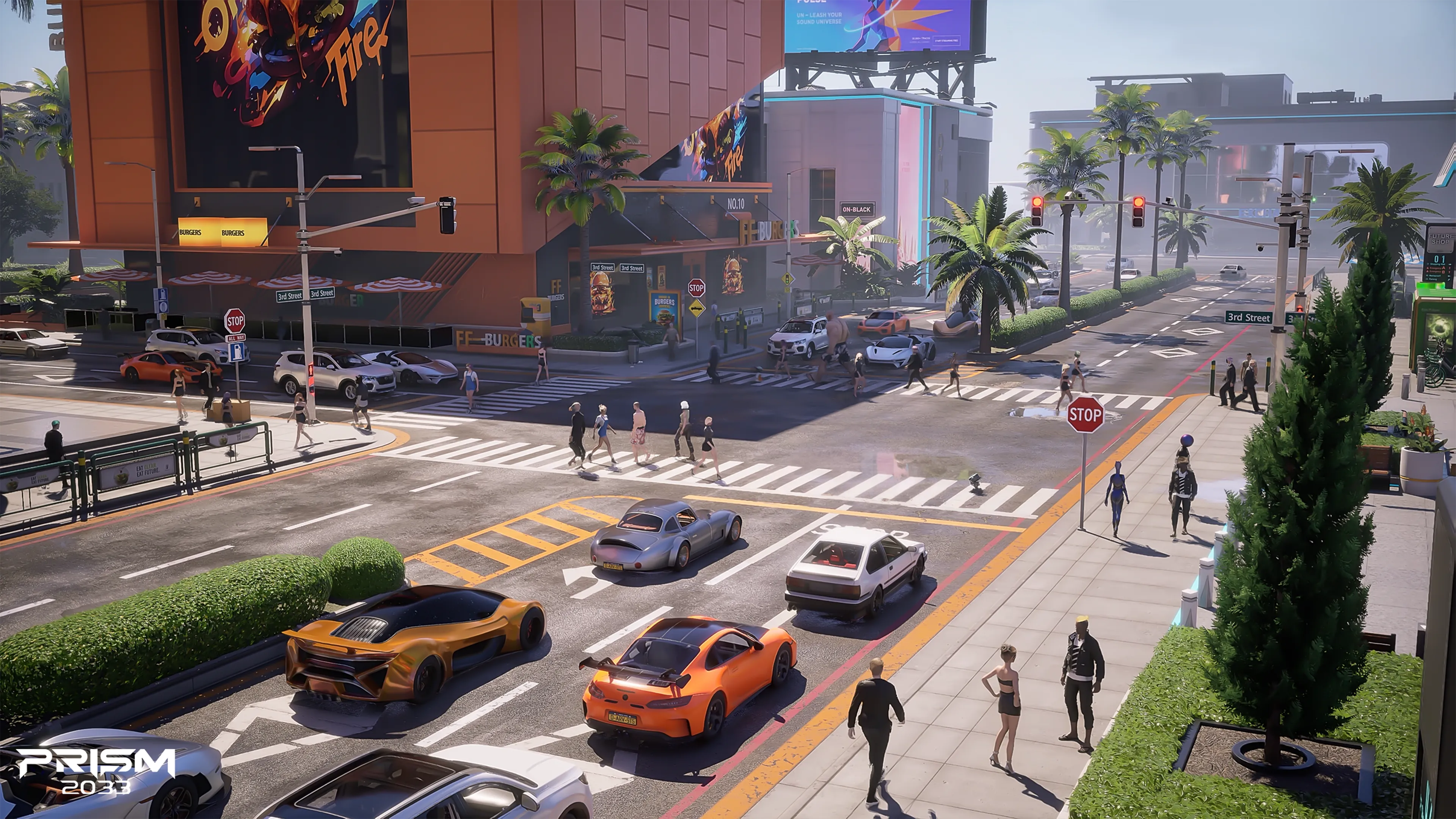
The city features neon-lit streets, a densely populated NPC environment, and a distinctive tone that blends humor with dystopian elements, creating a world that feels both lively and unsettling at the same time.
Parallel World ( Laputa)
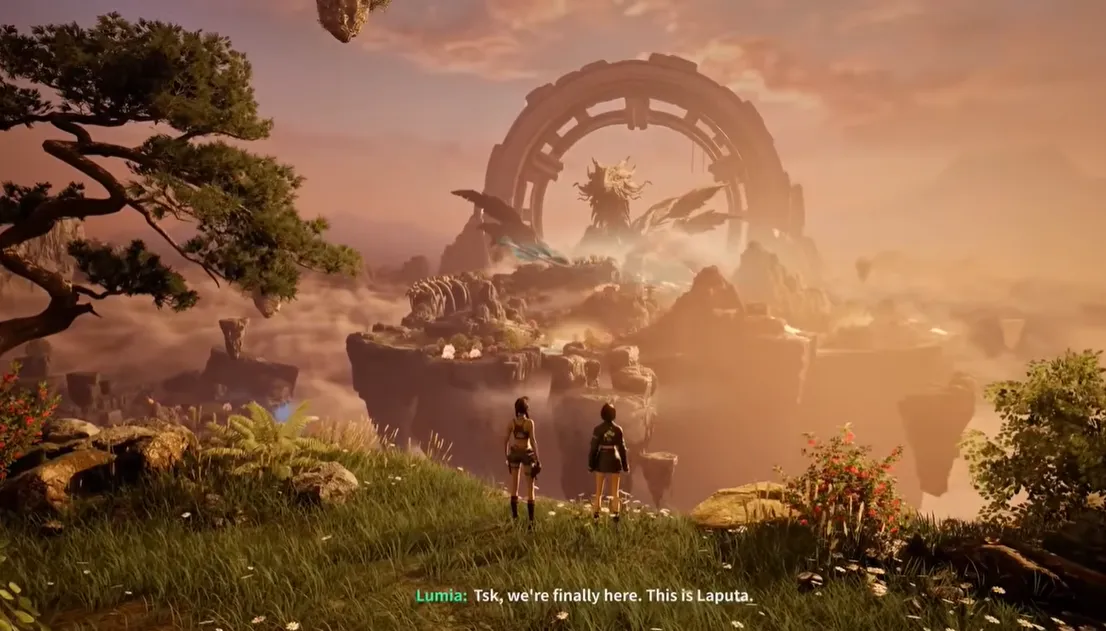
This parallel world, referred to in the footage as Leaputa, is introduced as a major plot element driving the entire crisis. With the narrator explicitly stating, "The whole world’s about to crash," these dimensions are positioned as high-risk zones, likely serving as endgame or late-game content where the stakes are at their highest.
This setup strongly suggests that the core narrative will involve story-driven dimension hopping. Players can likely expect to encounter different rules, environmental hazards, or combat mechanics when traversing between the real-world cyber city and the unstable virtual dimensions.
Story Setup (From Gameplay Context)
The narrative kicks off with:
The narrative kicks off with a major robbery incident that exposes the player character to forces beyond ordinary crime, leading directly to their recruitment into the Haven Bureau, where they quickly uncover evidence of parallel world interference threatening reality itself.
Key elements:
- Rookie progression arc
- Corporate/tech influence (e.g., Starlight Motors, cybernetics)
- Incoming large-scale crisis
Tone is intentionally inconsistent:
- Serious stakes
- Absurd NPC dialogue
- Meme-worthy interactions
Progression & Structure
From the “rookie test” and base camp:
Systems hinted:
- Rank or evaluation system
- Training missions
- Hub area (Haven Bureau)
- Gear unlock progression
You start weak and earn weapons, vehicles and access to bigger missions
Tips Based on Gameplay
If you’re planning to play:
- Don’t ignore mobility
- Learn weapon roles early. Some guns are burst-heavy, others precision-based.
- Expect grind for upgrades The game literally tells you—no charity.
- Pay attention to missions. Story seems tied directly to unlocking new systems.
Conclusion
So yeah, Prism 2033 is basically what happens if someone mixes cyberpunk GTA, anime combat, and multiverse chaos, then adds NPCs that roast you for being broke. It’s stylish, fast, and slightly unhinged—in a good way.
Right now, the biggest question isn’t “is it fun?”—it’s “how deep do these systems go?” If the full game expands on combat, vehicles, and parallel worlds properly, this could be way more than just a flashy demo.






 TOP UP WITH DISCOUNT NOW
Rich Experienced Game Editor
Rich is a passionate gamer and strategy explorer who loves uncovering hidden mechanics, experimenting with team comps, and sharing tips that actually help players succeed. She has a talent for breaking down complex systems into easy-to-understand guides, making even the trickiest battles feel manageable. When she's not diving into virtual worlds, you might find her debating game lore, hunting for easter eggs, or enjoying a snack while plotting her next in-game strategy. Rich's goal? Helping fellow gamers have more fun while leveling up their skills.
