


Rise of Kingdoms doesn't have one single "best commander" list, and that trips up a lot of players who copy a tier list without checking which KvK stage it's built for. A commander who wrecks lobbies in KvK1 can turn into dead weight once Season of Conquest kicks in and crystal technology rewrites the power curve. This guide breaks the 2026 meta down stage by stage, so you can tell which commanders are worth your resources right now versus which ones only pay off later.

Quick-Reference Tier Table
|
KvK Stage |
Top Picks |
Why They Lead |
|
KvK1 |
Sun Tzu, Yi Seong-Gye, Richard I, Charles Martel |
AoE cycling and raw survivability with no crystal tech in play |
|
KvK2–3 |
Alexander the Great, Saladin, Edward of Woodstock |
Legendary shielding, cavalry durability, and burst archers take over |
|
KvK4+ (Season of Conquest) |
Alexander Nevsky, Scipio Africanus (Prime), Zhuge Liang, Liu Che, Hermann (Prime) |
Crystal tech amplifies skill damage, Prime commanders dominate |
👇LDShop offers the best deals to top up Rise of Kingdoms. Visit the ROK top up page to see more.
KvK1: Early Game Favors Simplicity
KvK1 rewards commanders that are easy to use and hard to kill, mostly because most kingdoms are still low on tech and account development. There's no crystal technology yet, so combat outcomes lean heavily on base stats, troop counts, and how efficiently a commander's skills cycle rather than on flashy burst numbers.
|
S Tier |
Sun Tzu |
|
Richard I |
|
|
Charles Martel |
|
|
Yi Seong-Gye |
|
|
A Tier |
Aethelflaed |
|
Joan of Arc |
|
|
Cao Cao |
|
|
Minamoto no Yoshitsune |
|
|
B Tier |
Scipio |
|
Pelagius |
|
|
Belisarius |
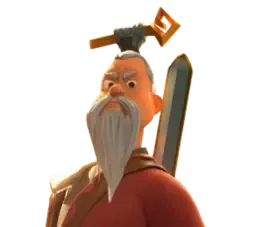








Sun Tzu earns his S-tier spot from strong area damage paired with fast rage regeneration, letting him spam skills through long fights. Yi Seong-Gye's circular AoE hits multiple targets at once and scales well even at this early stage, which is part of why he stays relevant later too. Meanwhile Richard I and Charles Martel hold the line as tanks — fights in KvK1 tend to drag on, so raw durability matters more than it will in later seasons. Infantry in general performs well here since it's naturally tanky and doesn't demand heavy equipment investment.
KvK2 and KvK3: The Meta Starts Shifting
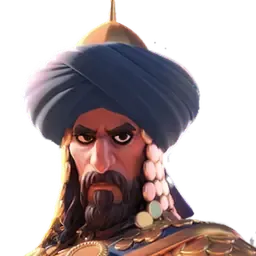
Once KvK2 opens up, stronger legendary commanders enter the pool and the whole flow of combat changes. Alexander the Great becomes a premier infantry pick thanks to his shielding kit and how well he synergizes with other infantry units, while Saladin turns into one of the best cavalry options in the game because his tankiness pairs with useful debuffs. Open-field fighting starts to matter more than static defensive battles, which bumps up the value of mobile cavalry commanders like Cao Cao and Minamoto no Yoshitsune. Yi Seong-Gye keeps his footing here too, since AoE damage never really goes out of style.
|
KvK2 S Tier |
Alexander the Great |
|
Yi Seong-Gye |
|
|
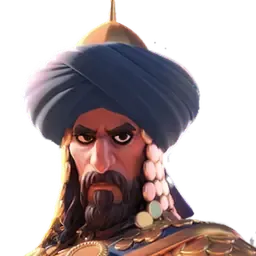
Saladin |
|
|
Charles Martel |
|
|
KvK2 A Tier |
Richard I |
|
Cao Cao |
|
|
Minamoto no Yoshitsune |
|
|
Aethelflaed |

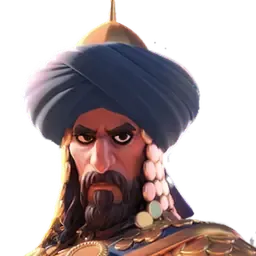

By KvK3, the game acts more like a bridge between early fundamentals and late-game complexity. Edward of Woodstock rises fast as an archer with serious burst damage, signaling a shift toward offense-first play where taking out enemy marches quickly starts to outweigh pure survivability. Tanky staples like Richard I and Charles Martel are still usable, but they begin sliding down the rankings since they can't keep up on damage output alone. This is also when multi-march play really takes hold — players run several marches at once, each built for a specific job like tanking, damage, or support, which raises the importance of good pairings over solo power.
|
KvK3 S Tier |
Alexander the Great |
|
Yi Seong-Gye |
|
|
Saladin |
|
|
Edward of Woodstock |
|
|
KvK3 A Tier |
Charles Martel |
|
Richard I |
|
|
Tomyris |
|
|
Constantine |





KvK4+ / Season of Conquest: Where Crystal Tech Changes Everything
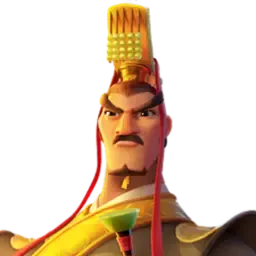
Season of Conquest is the biggest meta shift in the whole game, mainly because of crystal technology. That system hands out major stat boosts across attack, defense, and health for everyone, which pushes skill damage way up in importance. Commanders with strong active skills or big burst numbers, like Zhuge Liang and Liu Che, jump to the top of the rankings as a result.
Prime commanders matter a lot here too. These are upgraded versions of older units built specifically to outperform their predecessors — Scipio Africanus (Prime) is a good example, blending tankiness with strong AoE to become one of the best infantry options available. On top of that, commanders stop being generalists at this stage. Each one leans into a specific job — open-field damage, tanking, or support — so pairing the right commanders together matters more than just stacking raw power. Most serious players are running four to five fully built marches by this point, each one designed around a clear role.
|
S+ Tier |
Alexander Nevsky |
|
Scipio Africanus |
|
|
Zhuge Liang |
|
|
Liu Che |
|
|
Hermann (Prime) |
|
|
S Tier |
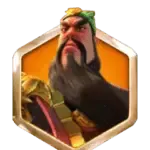
Xiang Yu |
|
Guan Yu |
|
|
Boudica (Prime) |
|
|
Joan of Arc (Prime) |
|
|
Yi Seong-Gye |
|
|
A Tier |
Ramesses II |
|
Artemisia |
|
|
Attila |
|
|
Saladin |
|
|
B Tier |
Richard I |
|
Charles Martel |
|
|
Cao Cao |











How the Ranking Logic Works
Tier lists in this game only make sense if you know what stage they're built for. In KvK1 and KvK2, the ranking logic favors AoE damage and tankiness, since there's no crystal tech to inflate numbers and fights are slower. KvK3 introduces more balance, rewarding commanders that combine offense and survivability instead of leaning on one or the other. By Season of Conquest, burst damage and specialization decide everything — crystal tech means raw skill power finally gets to shine, and Prime commanders are built specifically to lead that charge.
A common mistake is dumping resources into KvK1 favorites like Richard I or Charles Martel expecting them to carry into late game. They're strong early, but they fall off hard once Season of Conquest arrives. Yi Seong-Gye is the rare exception — his AoE kit stays useful across every stage, which makes him one of the safer long-term investments in the game. If you're planning ahead, it's worth saving resources for Season of Conquest staples like Alexander Nevsky, Scipio Africanus (Prime), and Zhuge Liang rather than maxing out early commanders that won't carry their weight later.
FAQ
Is it worth pulling for KvK1 commanders if I'm planning long-term?
Only selectively. Commanders like Sun Tzu and Richard I are strong for the early stage, but most of your long-term investment should go toward commanders that hold up in Season of Conquest, since KvK1 picks fade fast once crystal tech comes online.
Which commander stays useful across every KvK stage?
Yi Seong-Gye is the standout here — his AoE damage keeps him relevant from KvK1 all the way through Season of Conquest, which isn't true for most other early-game picks.
Do Prime commanders replace their original versions completely?
Prime versions are built to outperform their base counterparts, so in Season of Conquest they're generally the priority pick when you have a choice, though the older versions aren't necessarily useless outside that stage.
Why do tank commanders lose value in Season of Conquest?
Once crystal technology boosts everyone's stats, skill damage and burst output start to matter far more than raw durability, so tanky KvK1 staples like Richard I and Charles Martel drop down the rankings even though they're still usable.
Is this tier list the same for F2P and spenders?
The core logic holds for both, but spenders can build out Prime and S+ tier commanders faster. F2P players should be more selective about which stage to invest in, since resources are tighter.
If you're gearing up for a Season of Conquest push and want to speed up commander advancements or resource top-ups, LDShop has options worth checking for Rise of Kingdoms and other titles you're playing alongside it.






 TOP UP WITH DISCOUNT NOW
Sylune Experienced Game Editor
I'm a game guide writer with over 20 years of experience playing all types of games, especially anime-style RPGs, gacha and sports games. I love finding smart ways to beat tough levels without spending too much money. By studying game mechanics and character systems, I create easy tips to help players save time and resources. When I'm not gaming, I watch anime to get inspiration for strategies. My goal? To help you enjoy games more and stress less – even when facing "impossible" bosses! Let’s make gaming fun and affordable together!
