



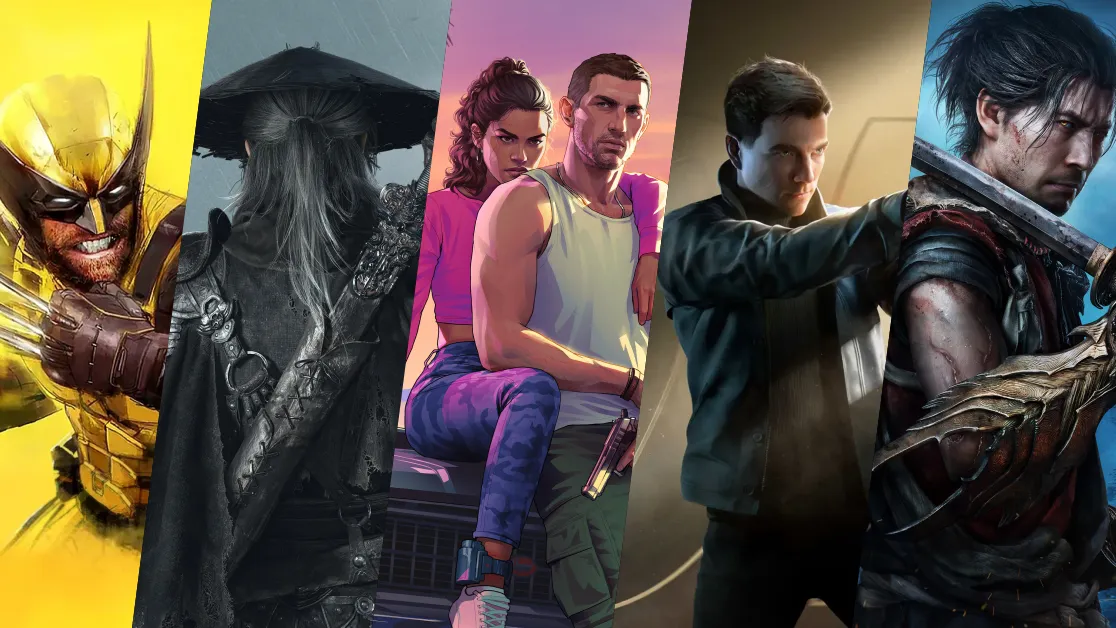





RPG fans are eating well in 2026. Between ambitious upcoming action RPGs, long-awaited sequels, deep CRPGs, anime-style adventures, and live-service loot grinders that keep evolving, this is one of the best years to build a serious backlog.For this list, I’m mixing confirmed/announced 2026-era releases, major RPGs that will still be essential in 2026, and a few “watchlist” titles that deserve attention if their final launch quality matches the promise.
Related CDKEY and Gift Cards
How I Picked These 2026 RPG Recommendations
I focused on games with strong role-playing identity: character progression, meaningful builds, story choices, party systems, exploration, loot, or long-term world immersion. Some are pure RPGs, some are action RPGs, and some are MMO-style or loot-driven RPGs. The goal is simple: if you love growing a character, exploring a memorable world, and making tactical or narrative decisions, these are the games worth your time in 2026.
The 2026 RPG Watchlist: 20 Worlds Worth Entering
Fable
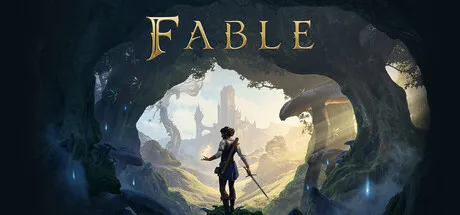
The new Fable from Playground Games is one of the most anticipated RPG revivals of the decade. Instead of continuing the exact style of Lionhead’s older trilogy, this reboot appears to reintroduce Albion with modern production values, British fantasy humor, cinematic storytelling, and a more technically ambitious world.
The original Fable games were loved not because they were the deepest RPGs mechanically, but because they made players feel like their hero belonged to a reactive fairy-tale world full of jokes, moral choices, exaggerated characters, and charming absurdity.
Playground Games, best known for Forza Horizon, has proven it can build beautiful open environments, so the biggest question is how well the studio can handle quest design, combat, and player choice. If it captures the old spirit while modernizing the systems, Fable could become a defining Xbox RPG.
Fable stands out precisely because memorable RPGs do not always need grim darkness. Albion’s mix of comedy, morality, magic, and hero fantasy could feel refreshingly different in 2026, especially if Playground balances open-world spectacle with meaningful role-playing.
Beast of Reincarnation

Beast of Reincarnation is one of the most intriguing action RPGs to keep an eye on in 2026, partly because it comes from Game Freak, a studio most players associate with Pokémon but which has also experimented with smaller, stranger projects over the years.
The game is set in a ruined, post-apocalyptic version of Japan and follows Emma, an outcast warrior, alongside her loyal canine companion Koo. From its reveal, the tone looks darker, more atmospheric, and more survival-focused than Game Freak’s best-known work.
The appeal lies in its mix of stylish sword combat, monster encounters, companionship, and a world that seems shaped by decay, myth, and rebirth. While full systems, map structure, and progression details still need more official clarification, the premise already suggests a character-driven action RPG with emotional stakes and strong visual identity.
What makes Beast of Reincarnation especially intriguing is the chance to see Game Freak move into much darker action-RPG territory. If the combat has real weight and Emma’s bond with Koo plays a meaningful role in the mechanics, it could easily become one of 2026’s biggest surprises.
Nioh 3
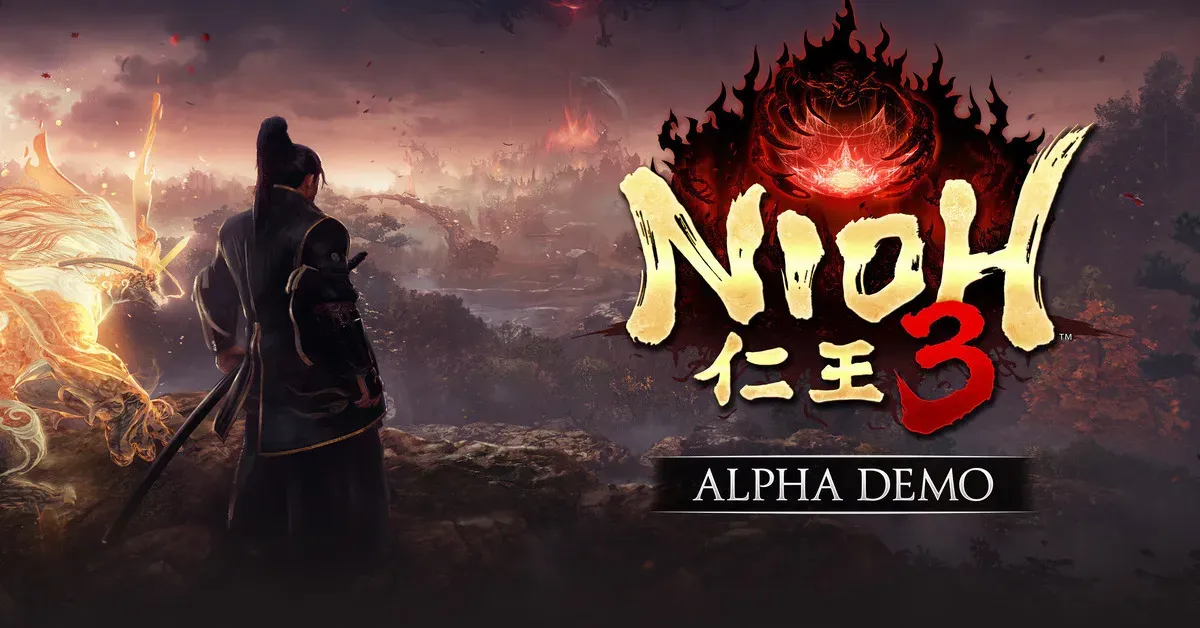 Nioh 3 continues Team Ninja’s brutal action-RPG lineage, blending historical Japanese fantasy, demonic yokai, loot-heavy character builds, and precise stamina-based combat.
The series has always stood apart from other Soulslikes because of its speed, stance system, weapon mastery, and deep equipment customization. Earlier Nioh games rewarded players who understood spacing, ki management, elemental effects, guardian spirits, and build synergies, making them some of the most mechanically dense action RPGs available.
Nioh 3 is expected to evolve that formula with new combat options and a structure that appears broader and more open than the mission-based approach of the first two games. For players who enjoy difficulty, loot optimization, and combat systems that take dozens of hours to truly understand, this is one of the most important action RPGs to watch in 2026.
Nioh 3 should be near the top of the list for anyone who enjoys demanding combat systems. Team Ninja has a strong track record with action RPGs where builds, reflexes, gear choices, and enemy knowledge all matter at the same time.
Echoes of Aincrad
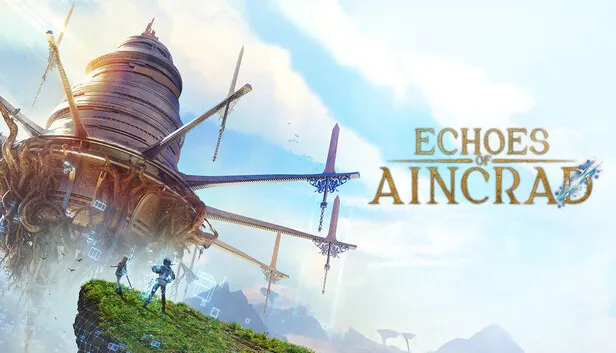
Echoes of Aincrad is a title I’d treat as a 2026 “watch carefully” RPG rather than an automatic day-one purchase, mainly because public details around the project are limited compared with bigger publisher-backed releases.
The name immediately evokes Aincrad, the iconic floating-castle dungeon concept associated with Sword Art Online, so the fantasy is obvious: climbing floors, surviving boss fights, improving gear, forming parties, and chasing the dream of a virtual-world RPG adventure.
Because licensed or Aincrad-inspired projects can vary widely in scope and quality, players should verify official store listings, developer information, licensing language, monetization, and gameplay footage before buying. If the game delivers a real progression loop, satisfying combat, social features, and meaningful dungeon structure, it could appeal strongly to anime RPG fans who want something closer to a floor-by-floor MMO adventure.
Echoes of Aincrad is worth keeping on the radar, but not blindly pre-ordering. The concept has obvious appeal for anime RPG fans, yet this is the kind of project where gameplay previews, reviews, and confirmed official features should matter more than the name alone.
Phantom Blade Zero
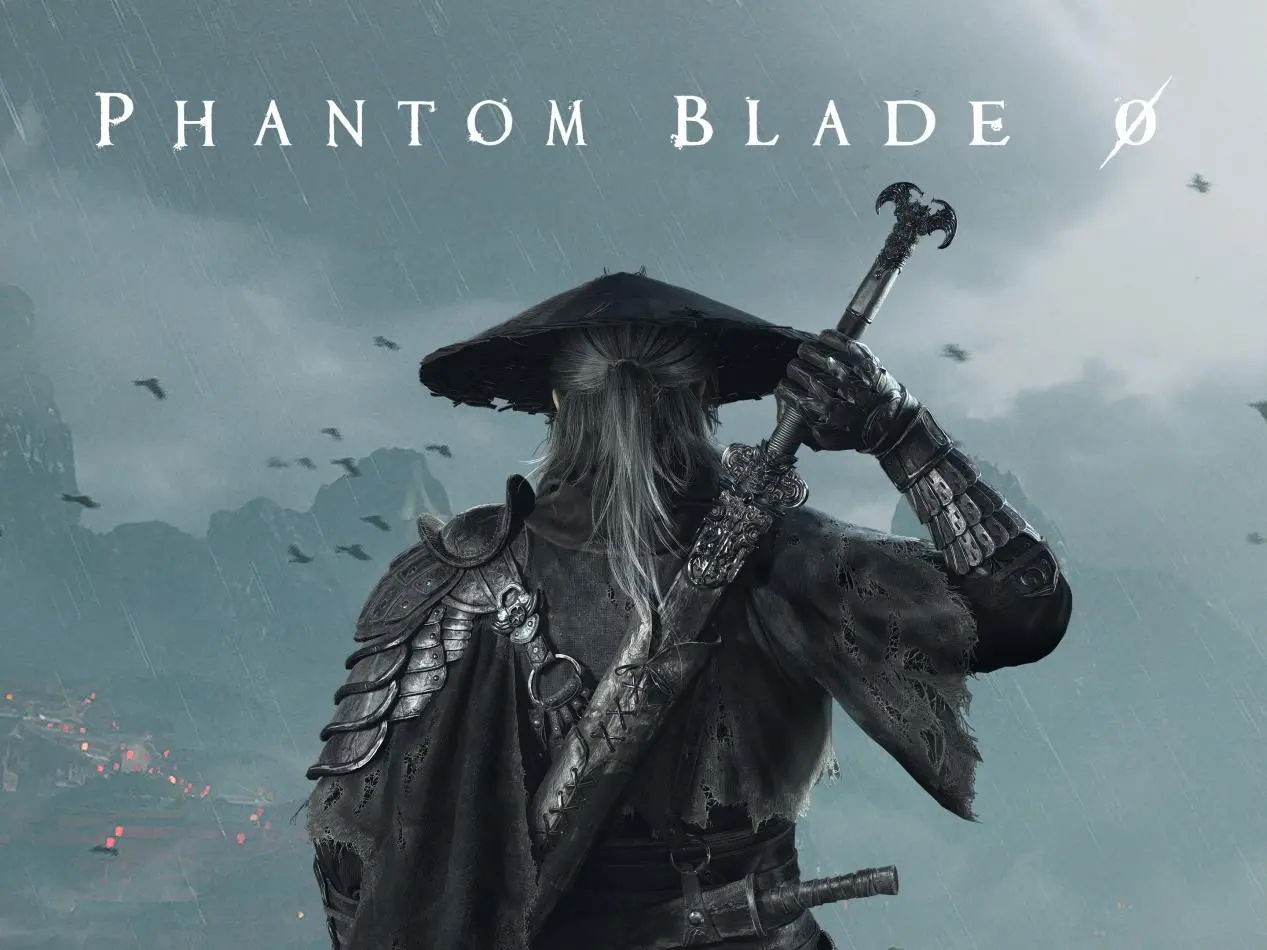 Phantom Blade Zero is a stylish action RPG from S-GAME, built around a dark martial-arts fantasy style the developers have described as “kungfupunk.”
Players take the role of Soul, an elite assassin who is framed, badly wounded, and left with limited time to uncover the truth behind a conspiracy. The game’s identity is rooted in high-speed melee combat, acrobatic movement, weapon switching, brutal finishers, and cinematic duels that look heavily inspired by wuxia films and modern character-action design.
Unlike traditional open-world RPGs, Phantom Blade Zero appears focused on intense handcrafted areas rather than endless map-clearing. Its appeal comes from atmosphere, boss encounters, animation quality, and the promise of skill-based action supported by progression systems. It is expected for PlayStation 5 and PC, though players should check official updates for the final launch timing.
For players who want RPG progression without slow, methodical combat, Phantom Blade Zero looks especially promising. Fans of Sekiro, Ninja Gaiden, and stylish boss-focused action games should find plenty here to get excited about.
Related CDKEY and Gift Cards
The Outer Worlds 2
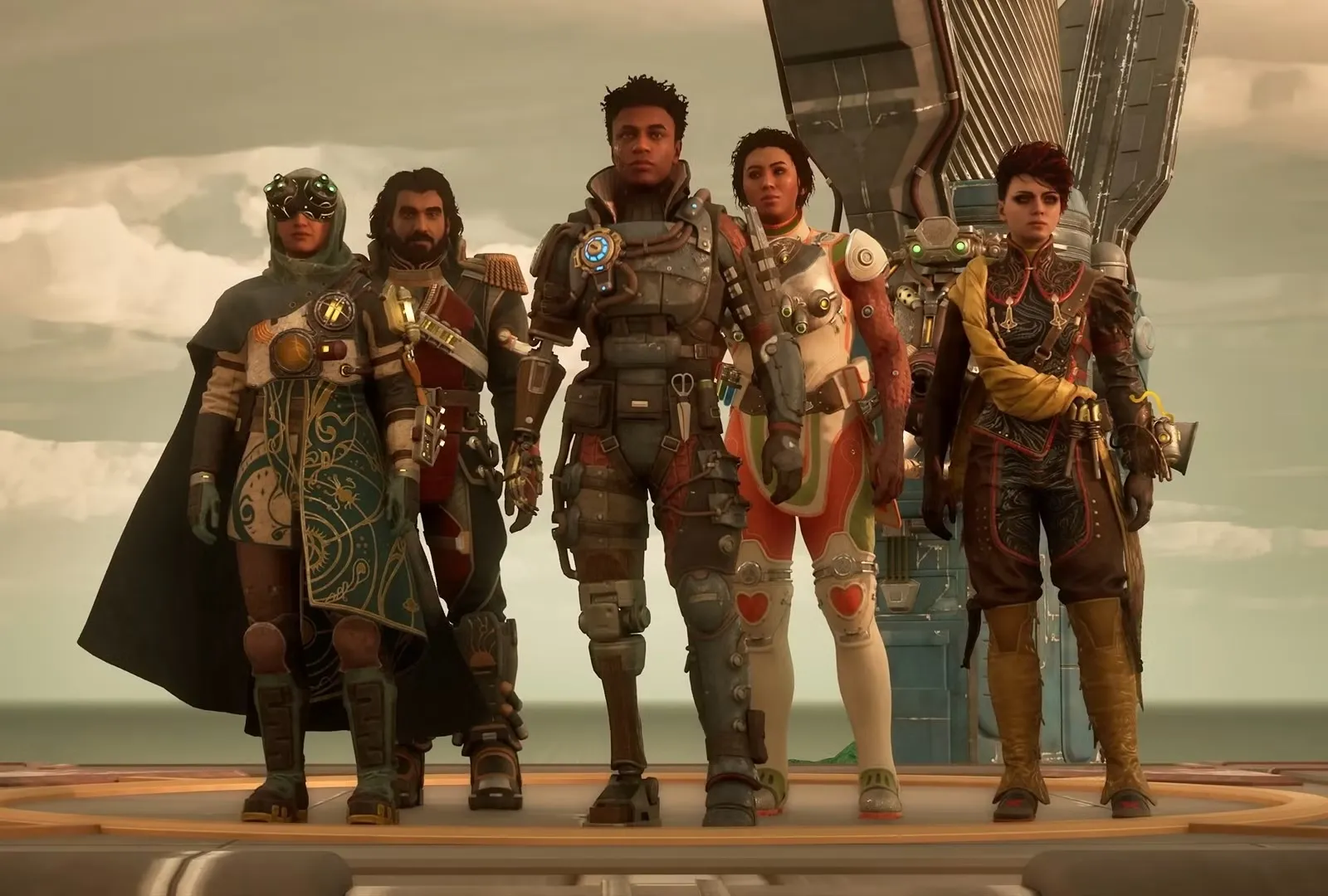
The Outer Worlds 2 is Obsidian Entertainment’s sequel to its satirical first-person sci-fi RPG. The first game offered corporate dystopia, faction choices, companion quests, branching dialogue, and a compact but flavorful alternative to massive open-world RPGs.
The sequel aims to expand that formula with a new star system, new factions, new weapons, and more room for player expression. Obsidian’s greatest strength has always been writing: moral ambiguity, funny but pointed social commentary, and quests where “good” outcomes are rarely simple.
While the original sometimes felt smaller than its ambitions, it also proved there is still demand for character-driven first-person RPGs in the tradition of Fallout: New Vegas. If the sequel improves exploration, combat feedback, and choice consequences, The Outer Worlds 2 could be one of the best narrative RPGs to play in 2026.
The Outer Worlds 2 is a strong fit for players who want dialogue, companions, factions, and meaningful choices without committing to a 200-hour open world. Obsidian’s writing tends to give even smaller quests a distinct personality, which is something many modern RPGs struggle to maintain.
Vampire: The Masquerade – Bloodlines 2
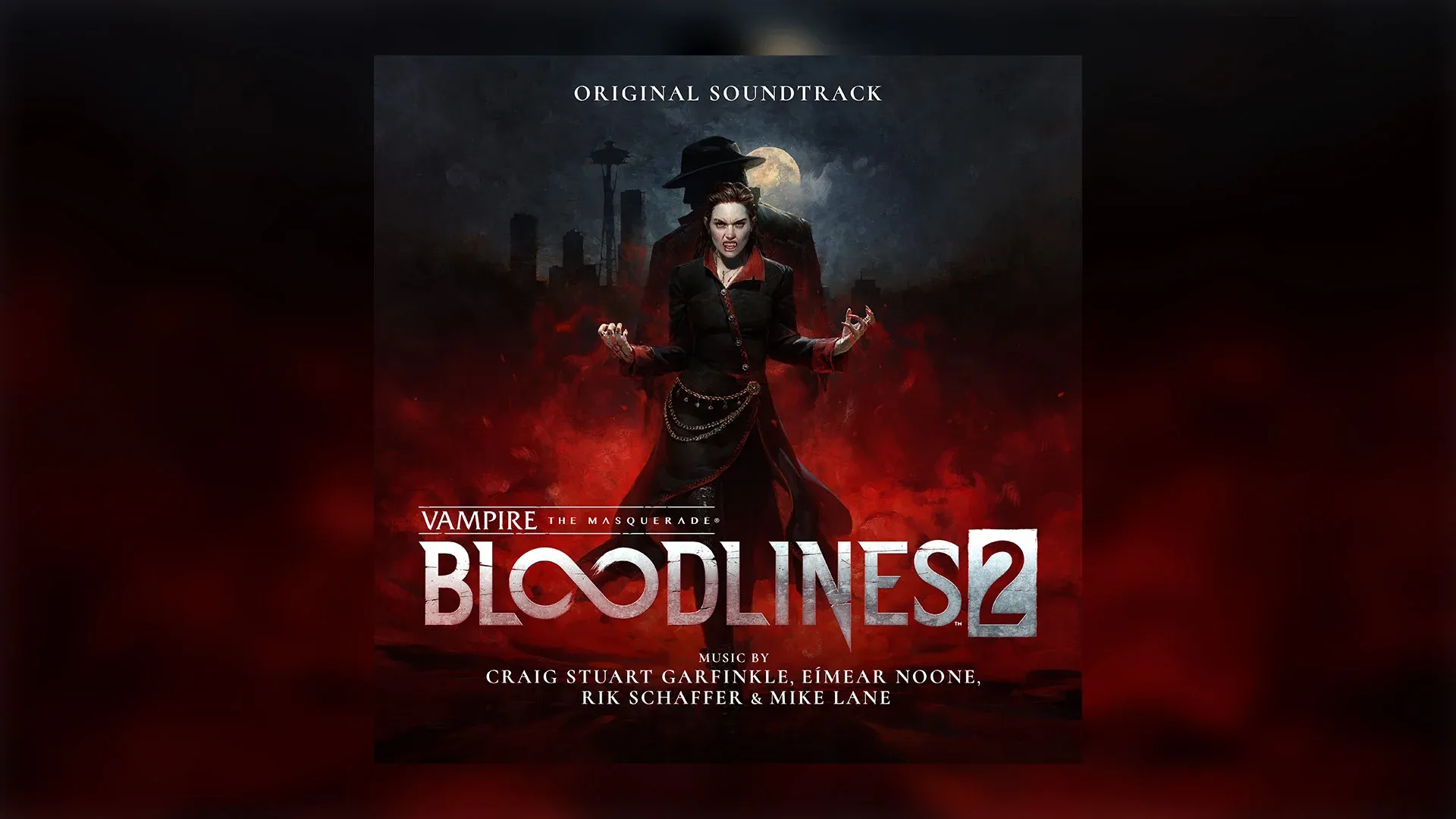 Vampire: The Masquerade – Bloodlines 2 has had a famously complicated development history, but it remains one of the most fascinating RPGs to watch. Set in the World of Darkness universe, the game explores vampire politics, clans, supernatural power, and urban horror.
Players take on the role of an elder vampire in modern Seattle, navigating factions, feeding, combat, dialogue, and identity within a society built on secrecy and manipulation. The original Bloodlines became a cult classic because of its atmosphere, writing, clan differences, and immersive role-playing, despite technical issues at launch.
The sequel’s final quality will depend heavily on quest design, reactivity, and whether each vampire identity feels distinct. Even with caution, the setting is so rich that a successful version of Bloodlines 2 would immediately stand out from typical fantasy RPGs.
Bloodlines 2 deserves cautious optimism rather than a nostalgia-driven purchase. If reviews confirm strong writing, reactive quests, and meaningful clan role-play, it could still become the dark urban RPG many fans have been waiting for.
Kingdom Come: Deliverance II
Kingdom Come: Deliverance II is a historically grounded RPG from Warhorse Studios, continuing the story of Henry of Skalitz in 15th-century Bohemia.
Unlike fantasy RPGs filled with dragons and spellcasting, this series focuses on realism: armor layers, weapon technique, social status, reputation, hunger, crime, literacy, and the messy politics of medieval life. The sequel expands the scale with larger regions, more polished combat, improved cinematic storytelling, and more ways to solve quests through persuasion, stealth, violence, or preparation.
What makes the series special is its commitment to immersion. You are not a chosen demigod; you are a person trying to survive and gain influence in a dangerous world. For players tired of magic-heavy RPGs, Kingdom Come: Deliverance II offers something rare: a role-playing experience where history itself becomes the fantasy.
Kingdom Come: Deliverance II shines in the way it makes small actions feel meaningful. Learning to fight, dress properly, read, sneak, bargain, and simply behave like a believable person creates a level of immersion that most RPGs never attempt.
Clair Obscur: Expedition 33
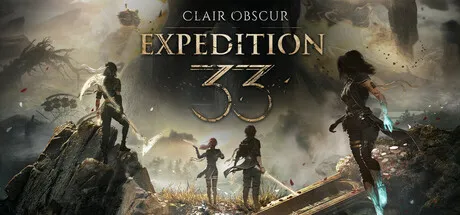
Clair Obscur: Expedition 33 is a turn-based RPG from Sandfall Interactive with a striking dark fantasy world inspired by Belle Époque art and surreal European aesthetics.
The central premise is haunting: each year, a mysterious Paintress marks a number, and everyone of that age disappears. Expedition 33 sets out to stop her before the next number is painted. Mechanically, the game blends traditional turn-based combat with real-time inputs for dodging, parrying, and enhancing attacks, giving battles a more active rhythm than classic menu-driven RPGs.
Its world design, character art, music, and emotional premise make it one of the most distinctive modern RPGs. Rather than simply copying Japanese RPG conventions, it uses them as a foundation for something moodier, stranger, and more cinematic. In 2026, it remains a must-play for story-focused RPG fans.
Clair Obscur: Expedition 33 is a great example of how turn-based RPGs can still feel fresh. Its combat adds timing and tension to traditional commands, while the story premise is instantly memorable—a strong combination for players who want beauty, tragedy, and strategy.


Avowed
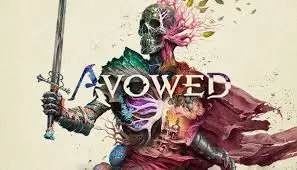
Avowed is Obsidian’s first-person fantasy RPG set in Eora, the same universe as Pillars of Eternity. Instead of using the isometric CRPG structure of those earlier games, Avowed brings players closer to the action with real-time melee, magic, firearms, shields, dialogue choices, companions, and exploration through the mysterious Living Lands.
The setting is one of its biggest strengths. Eora is not generic fantasy; it has deep lore about souls, gods, colonial politics, animancy, and competing cultures. Avowed is more focused than enormous open-world RPGs, which can be a benefit if the quests and areas are dense.
It is designed for players who want role-playing, factions, and world-building without spending hundreds of hours wandering empty terrain. For 2026 players, it is one of the easiest recommendations for fantasy RPG fans.
Avowed is especially appealing if you prefer compact, quest-rich RPGs over giant checklist maps. Obsidian’s strength in layered world-building, history, and moral tension gives the Living Lands plenty of reason to explore beyond simple combat progression.
Monster Hunter Wilds
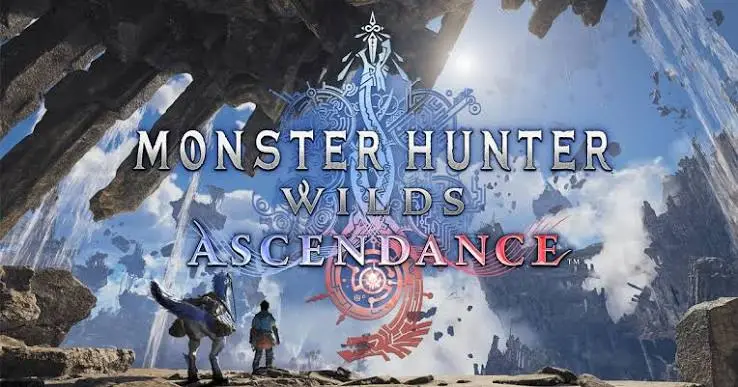 Monster Hunter Wilds is Capcom’s next major evolution of its action-RPG hunting formula. The series revolves around tracking huge creatures, learning their behavior, crafting gear from monster parts, and mastering one of several complex weapon types.
Wilds expands the sense of ecosystem with dynamic weather, shifting environments, herds, predator-prey interactions, and a stronger emphasis on seamless exploration. Your mount, the Seikret, helps with traversal and weapon swapping, making hunts feel more fluid than in older entries.
While Monster Hunter is not a story-heavy RPG, it absolutely belongs on this list because progression is deeply build-driven: armor skills, weapon trees, elemental weaknesses, decorations, consumables, and team roles all matter. In 2026, it is likely to remain one of the best co-op action RPG experiences for players who enjoy mastery through repetition.
Few RPGs make new gear feel as earned as Monster Hunter Wilds. Every weapon upgrade reflects the monster you studied, the hunt you survived, and the skills you gradually built along the way.
Elden Ring
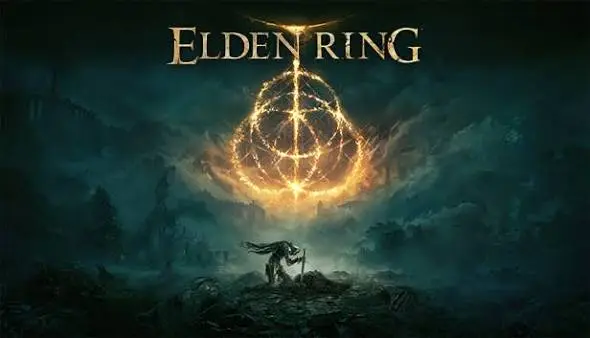
Elden Ring remains essential in 2026 because FromSoftware’s open-world action RPG still offers one of the richest exploration experiences in modern gaming.
The Lands Between are vast but not empty; ruins, catacombs, castles, swamps, divine towers, underground cities, and hidden bosses constantly reward curiosity. The role-playing depth comes from build freedom: strength weapons, dexterity katanas, sorcery, incantations, bleed builds, frost setups, shields, summons, and hybrid playstyles all create different journeys.
The Shadow of the Erdtree expansion further deepens the world with new areas, lore, bosses, and equipment, making the complete package enormous. What separates Elden Ring from many open-world games is mystery. It rarely over-explains itself, trusting players to experiment, fail, discover, and interpret. Even years after launch, it remains a benchmark for action RPG world design.
Elden Ring remains exceptional at rewarding curiosity. Players who have avoided it because of the difficulty can ease the pressure with co-op, summons, or magic-focused builds; the scale and mystery of the world are well worth experiencing.
Baldur’s Gate 3
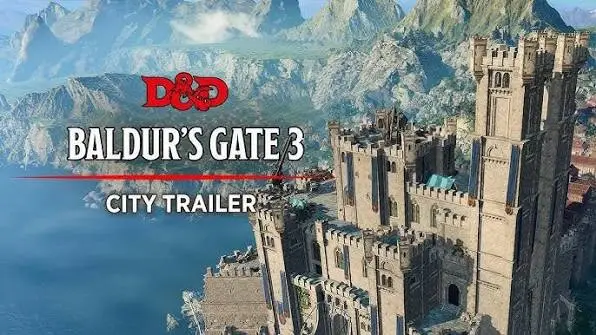
Baldur’s Gate 3 is still one of the strongest RPG recommendations for 2026 because its design remains incredibly rare: a cinematic CRPG with deep choice, systemic combat, excellent companions, and huge replay value. Based on Dungeons & Dragons Fifth Edition rules, it lets players create wildly different characters and solve problems through combat, stealth, persuasion, spells, environmental tricks, or outright chaos.
Larian Studios built a world where decisions ripple across quests and relationships, and where party members such as Shadowheart, Astarion, Lae’zel, Gale, Wyll, and Karlach feel like genuine co-stars.
The turn-based combat rewards positioning, verticality, elemental interactions, and creative use of abilities. Even if you dislike traditional CRPGs, Baldur’s Gate 3 is approachable because of its presentation, voice acting, and reactivity. It remains a modern gold standard for role-playing freedom.
Baldur’s Gate 3 earns its place here by respecting player imagination. You can be heroic, manipulative, ridiculous, romantic, cruel, or chaotic, and the game usually has a response—exactly the kind of reactivity that makes role-playing feel meaningful.
Related CDKEY and Gift Cards
Cyberpunk 2077: Ultimate Edition
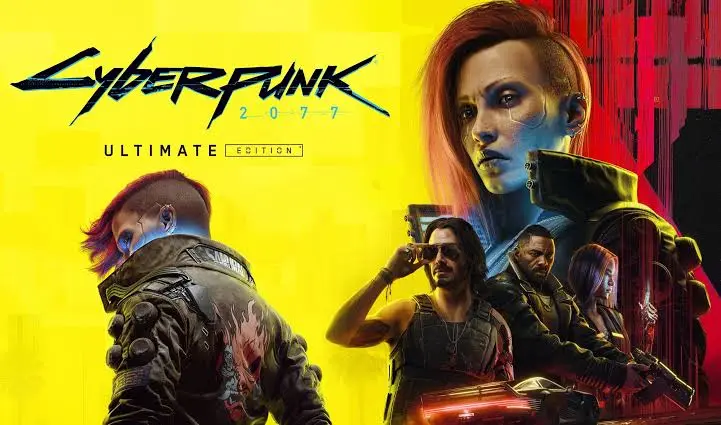
Cyberpunk 2077 had a difficult launch, but its current form—especially with the 2.0 overhaul and Phantom Liberty expansion—is one of the best action RPGs available going into 2026. Night City is dense, stylish, violent, and tragic, filled with corporate exploitation, street gangs, body modification, celebrity culture, and broken dreams.
Players build V through cyberware, weapons, hacking, stealth, dialogue, and faction-related decisions. Phantom Liberty adds Dogtown, a spy-thriller storyline, new characters, and some of CD Projekt Red’s strongest quest design.
The game’s role-playing is not as freeform as a classic CRPG, but its atmosphere, build variety, and first-person immersion are exceptional. Whether you play as a netrunner, katana-wielding cyberpsycho, stealth operative, or guns-blazing mercenary, Night City remains unforgettable.
Cyberpunk 2077: Ultimate Edition now feels much closer to the experience many players hoped for at launch. Its world, music, characters, quest design, and build variety come together into a far stronger and more complete sci-fi RPG package.
Final Fantasy VII Rebirth
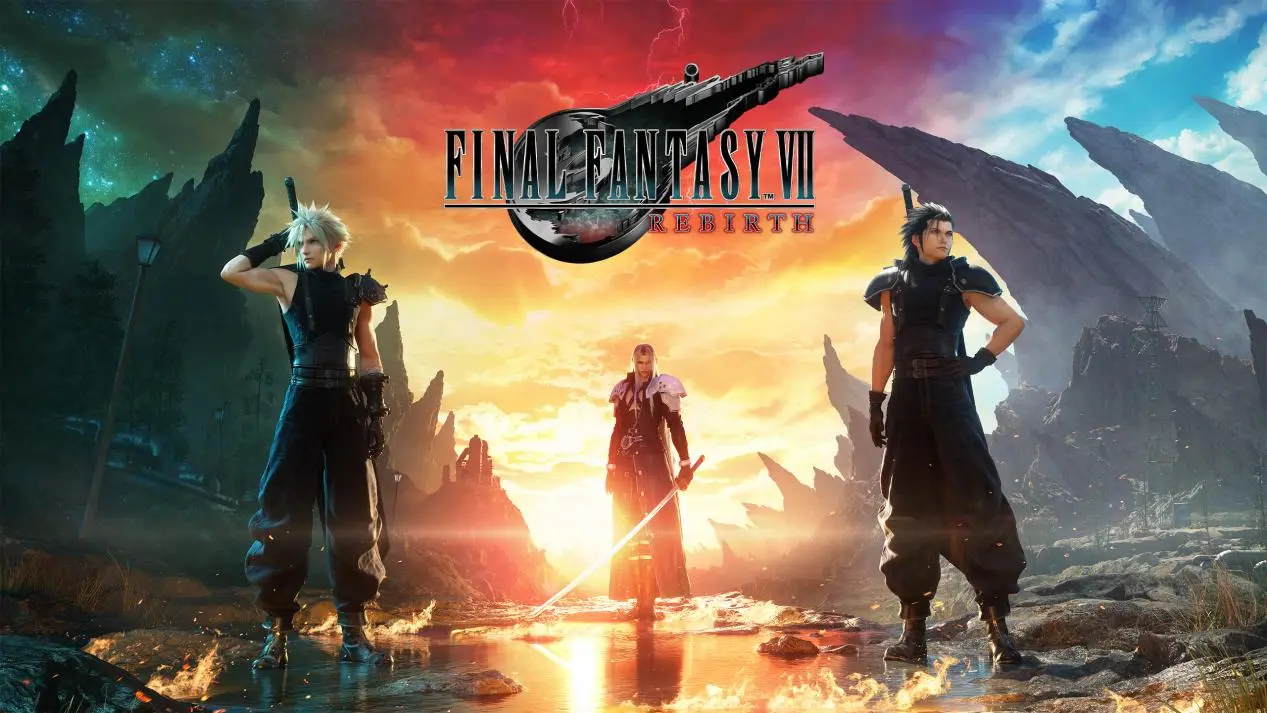 Final Fantasy VII Rebirth is the second major chapter in Square Enix’s modern remake trilogy, expanding Cloud, Aerith, Tifa, Barret, and Red XIII’s journey beyond Midgar into a much larger world. It blends real-time action with command-based tactics, letting players switch characters, trigger abilities, stagger enemies, and use synergy attacks.
The game is both nostalgic and experimental: it recreates iconic locations and story beats while also changing expectations around fate, memory, and identity. Its open regions include exploration activities, mini-games, combat challenges, side quests, and character moments that deepen the party dynamic.
The emotional strength of Rebirth lies in its cast. Even when the structure becomes playful or strange, the relationships remain sincere. For 2026 players, it is essential if you care about cinematic JRPG storytelling.
Final Fantasy VII Rebirth understands the appeal of a great party-based RPG. The combat is flashy and flexible, but much of its lasting strength comes from simply spending time with one of gaming’s most beloved casts.
Metaphor: ReFantazio
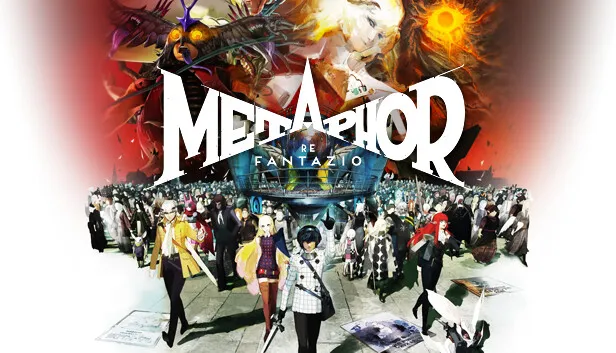
Metaphor: ReFantazio is a fantasy RPG from key creators associated with the modern Persona series, but it is not simply Persona in medieval clothing.
The game builds a new world around political tension, social inequality, royal succession, prejudice, and public perception. Players travel with companions, explore dungeons, manage time, strengthen bonds, and use the Archetype system to develop combat roles.
Battles combine turn-based strategy with stylish presentation, rewarding weakness exploitation, party planning, and flexible builds. What makes Metaphor stand out is its confidence. It uses fantasy not as escapism alone, but as a way to talk about fear, leadership, social divisions, and hope.
The art direction, music, UI design, and pacing all carry the identity of Atlus at its best. In 2026, it remains one of the smartest JRPGs to play.
Metaphor: ReFantazio has enough substance to match its striking style. Persona fans looking for a grander fantasy adventure, stronger political themes, and excellent turn-based combat will find it especially easy to appreciate.
Dragon’s Dogma 2
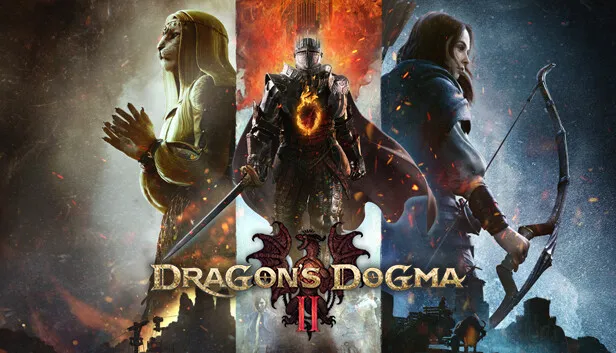 Dragon’s Dogma 2 is Capcom’s open-world action RPG built around dangerous travel, emergent combat, and the unique Pawn companion system. Players create an Arisen and a main Pawn, then recruit two additional Pawns from other players’ worlds.
These AI companions learn, comment, fight, guide, and sometimes surprise you, giving the game a strange shared-world feeling without being a traditional multiplayer RPG. Combat is physical and dramatic: climb giant monsters, launch spells that reshape the battlefield, fire arrows into weak points, or smash enemies with heavy weapons.
The world is intentionally inconvenient in ways that create stories—night is dangerous, fast travel is limited, and preparation matters. While not perfect, Dragon’s Dogma 2 offers a kind of messy adventure that feels alive precisely because things often go wrong.
Dragon’s Dogma 2 is at its best when an ordinary trip turns into something completely unexpected. A simple journey can become a griffin attack, a cave disaster, or a heroic rescue, giving the open world a sense of unscripted adventure that few RPGs match.
Path of Exile 2
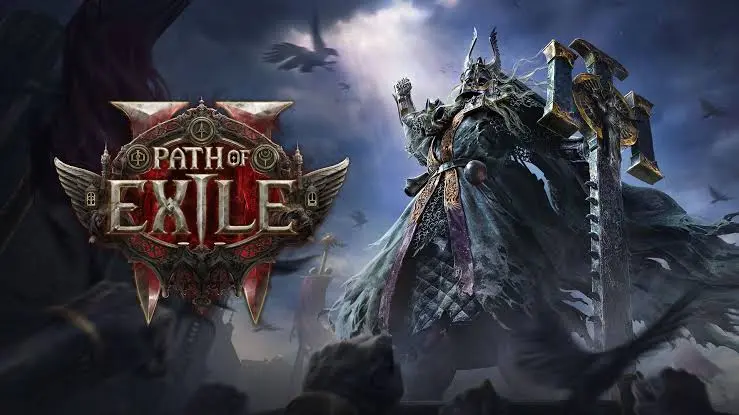
Path of Exile 2 is Grinding Gear Games’ ambitious follow-up to one of the deepest action RPGs ever made. The original Path of Exile became famous for its massive passive skill tree, complex itemization, seasonal leagues, and build-crafting obsession.
The sequel modernizes combat with better animation, more deliberate boss fights, new classes, a redesigned gem system, dodge mechanics, and a campaign built to welcome new players while still serving hardcore theorycrafters.
This is not a casual loot game; it is a hobby RPG where players can spend hundreds of hours refining one character concept, trading, farming, mapping, and testing synergies. In 2026, Path of Exile 2 is likely to be one of the biggest long-term RPG platforms for players who love numbers, loot, and experimentation.
Path of Exile 2 is built for players who can spend hours planning skills, comparing gear, and hunting for powerful combinations. For build-crafting enthusiasts, that depth is not a barrier—it is the main attraction.
Diablo IV
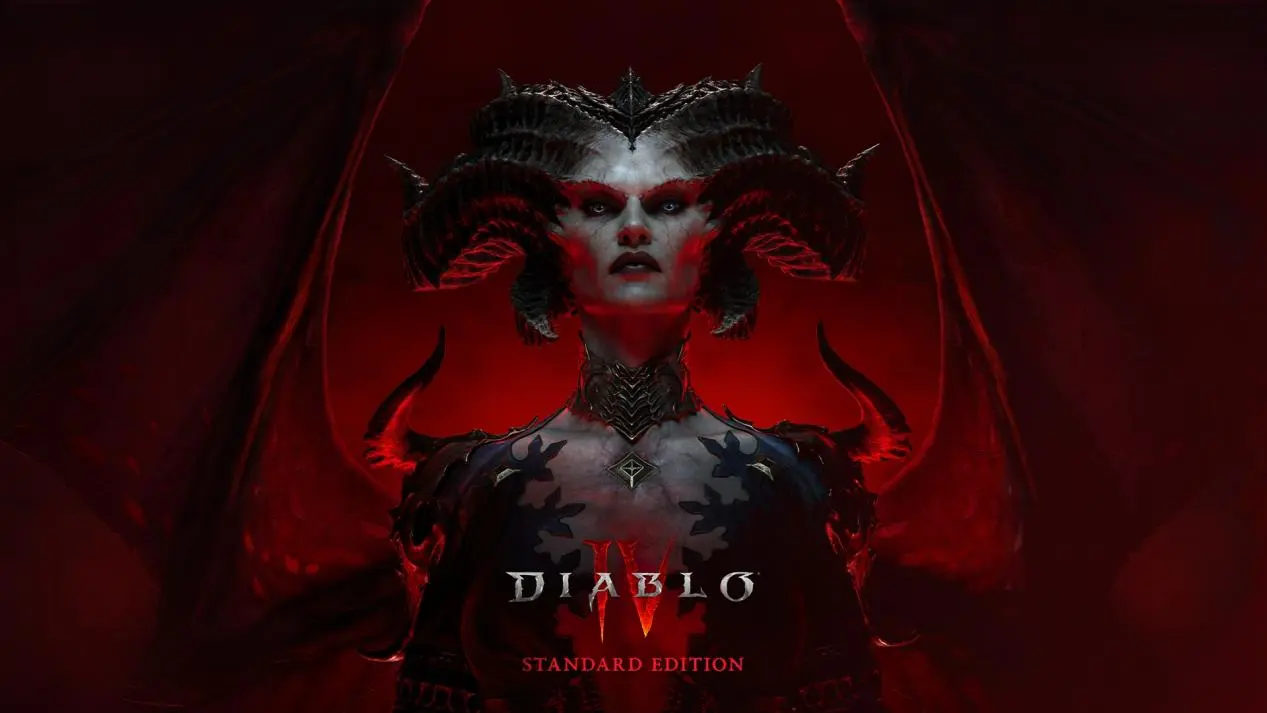 Diablo IV remains an important action RPG in 2026 because Blizzard’s dark fantasy loot series continues to evolve through seasons, balance changes, endgame updates, and expansions. Set in Sanctuary, the game follows humanity’s struggle against demonic forces, with Lilith serving as one of the series’ most memorable central figures.
Players choose classes such as Barbarian, Sorcerer, Rogue, Druid, Necromancer, and expansion-added options, then build around skills, legendary aspects, uniques, paragon boards, and seasonal mechanics.
The campaign offers strong atmosphere, while the endgame focuses on dungeons, bosses, loot farming, world events, and character optimization. Compared with Path of Exile, Diablo IV is more accessible and cinematic, making it easier to recommend to players who want satisfying combat and progression without needing spreadsheets from hour one.
Diablo IV remains one of the easiest action RPGs to jump into with friends. Responsive combat, a strong dark-fantasy atmosphere, and an ongoing seasonal structure make it a comfortable choice for both short sessions and repeat returns.
Chrono Odyssey
Chrono Odyssey is an upcoming online action RPG from Chrono Studio and Kakao Games, built around large-scale fantasy adventure, high-end visuals, and a time-themed premise.
The game has drawn attention for its Unreal Engine-powered presentation, massive creatures, cinematic combat, and MMO-style world design. Its setting, Setera, appears to combine high fantasy with time manipulation concepts, suggesting a story about fractured timelines, ancient powers, and large conflicts.
Because online RPGs can change significantly before launch, players should watch for confirmed details about monetization, class design, endgame, PvP, co-op structure, and regional release plans. Still, the promise is clear: a visually ambitious MMO/action RPG that could satisfy players looking for a fresh persistent world in 2026. If it launches polished, Chrono Odyssey could become one of the year’s biggest online RPG conversations.
Chrono Odyssey belongs firmly in the watchlist category for now. Its visuals and scale are impressive, but the real test will be combat feel, monetization, server stability, and endgame depth, so beta impressions should be more useful than early hype when deciding whether to commit.
FAQ: RPG Gaming in 2026
What is the best RPG to play in 2026 if I only have time for one?
If you want maximum role-playing freedom, choose Baldur’s Gate 3. If you prefer action, choose Elden Ring. If you want something newer and stylish, keep an eye on Phantom Blade Zero and Beast of Reincarnation.
Are all 20 games on this list releasing in 2026?
No. This list includes RPGs you should play in 2026, including upcoming titles, recent major releases, and evolving live-service RPGs. Some games may already be available, while others are announced or expected around the 2026 window.
Which 2026 RPG should Soulslike fans watch most closely?
Nioh 3 and Phantom Blade Zero are the biggest ones to watch. Elden Ring is still essential, especially with its expansion content, but those two upcoming action RPGs could define the next wave of fast, skill-based combat.
Which RPG is best for co-op players?
For co-op action, Monster Hunter Wilds is one of the strongest choices. Diablo IV is also very easy to play with friends, while Path of Exile 2 is better for players who enjoy complex builds and long-term loot farming.


 TOP UP WITH DISCOUNT NOW
Antonia Experienced Game Editor
I'm a guide writer specializing in competitive shooters and simulation and management games. I love analyzing maps, tweaking mouse sensitivity, optimizing farming routes, and planning the long-term development of my characters or colonies. I combine the adrenaline rush of a good match with the satisfaction of seeing everything come together in a well-designed system. My guides are designed to help you get the most out of your time, whether you’re climbing the ranks in Valorant, mastering a Call of Duty map, or building the most efficient base in a survival game. We play to have fun, but winning is pretty cool too!
