


Hello Players! Sea of Remnants combines a vast ocean with roguelike voyages, strategic turn-based party battles, real-time naval encounters, ship development and persistent character progression. You play a memoryless puppetfolk sailor who repeatedly leaves Orbtopia, explores islands and dangerous waters, gathers resources and eventually returns home stronger before beginning another voyage.
Learn the Main Gameplay Loop First
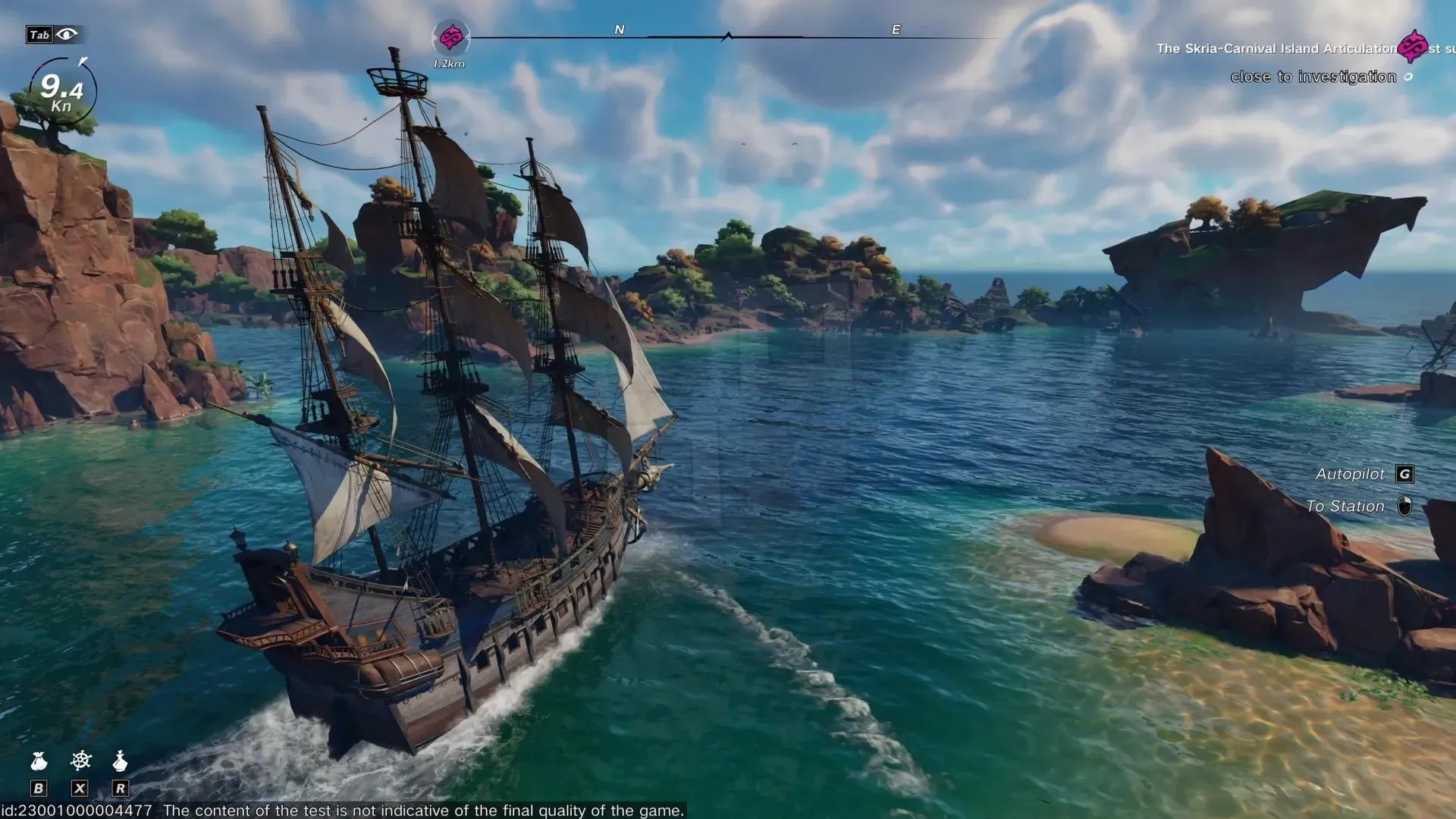
The central Sea of Remnants gameplay loop is Set Sail, Explore, Collect and Return. Each voyage can reshuffle enemies, bosses, potential crewmates, equipment, skills, buffs and other enhancements. Because those variables change from run to run, a setup that dominates one voyage may not be the best answer during the next.
Returning to Orbtopia does not erase everything you achieved. Resources recovered from the ocean can contribute to permanent character growth, while ship upgrades, relationships and other long-term systems carry forward. A strong early-game rhythm is to make reliable progress, bring useful resources home and expand your reach before repeatedly forcing the highest-risk route available.
How to Choose the Right Route?
The ocean is the stage for each expedition rather than a separate travel screen. Players can sail between islands, discover changing events, enter handcrafted ruins and move through different biomes as routes and encounters evolve between voyages. Weather and ocean conditions can also change how a trip feels and how safely a ship can push into unfamiliar waters.
Do not treat every voyage as a straight sprint toward the boss. Potential recruits, equipment, skills, enhancement dice and other temporary discoveries are part of the current build. When an item or effect strongly fits one of your available characters, adapting around that combination is usually more efficient than forcing the exact same party structure into every run.
What is Turn-Based Combat?
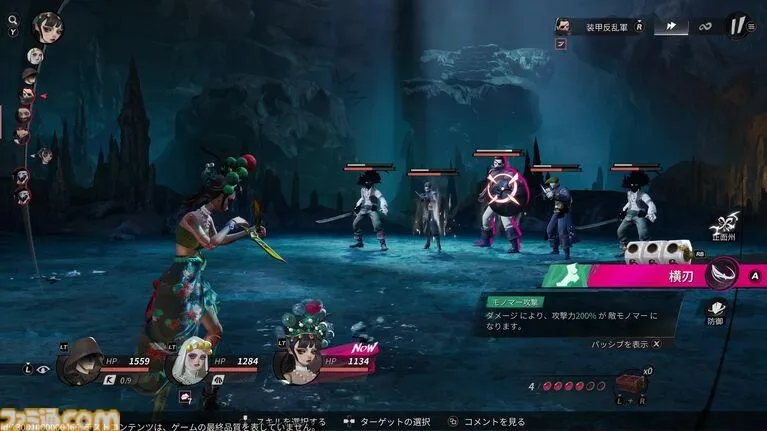
Land encounters use turn-based combat built around action order. In the February 2026 gameplay build, a character could choose between equipped profession skills, a character-specific pirate skill or defense. Profession skills did not use a conventional MP pool, while pirate skills operated with cooldowns. Attacking and taking damage also filled a meter for powerful special attacks that could cut into the normal action sequence.
Dice give the combat system its distinctive rhythm. The party shares a dice stock, and player turns refill that resource. Up to three dice can be committed to an attack. When an enemy exposes a vulnerability and displays a target value, winning the dice check while hitting that vulnerability can immediately grant another action.
That makes dice management especially important during bosses. Spending every die on ordinary damage can leave the party empty when a major vulnerability window appears. Saving dice for a character who can exploit the exposed weakness lowers the pressure of the check and can create a chain of extra turns when several opportunities line up.
You can also create an advantage before a formal turn-based encounter begins. Field attacks can trigger a pre-battle roll that determines the opening benefit, so initiating combat on your own terms is often better than simply walking into an enemy group.
Naval Combat and Ship Upgrades Priority
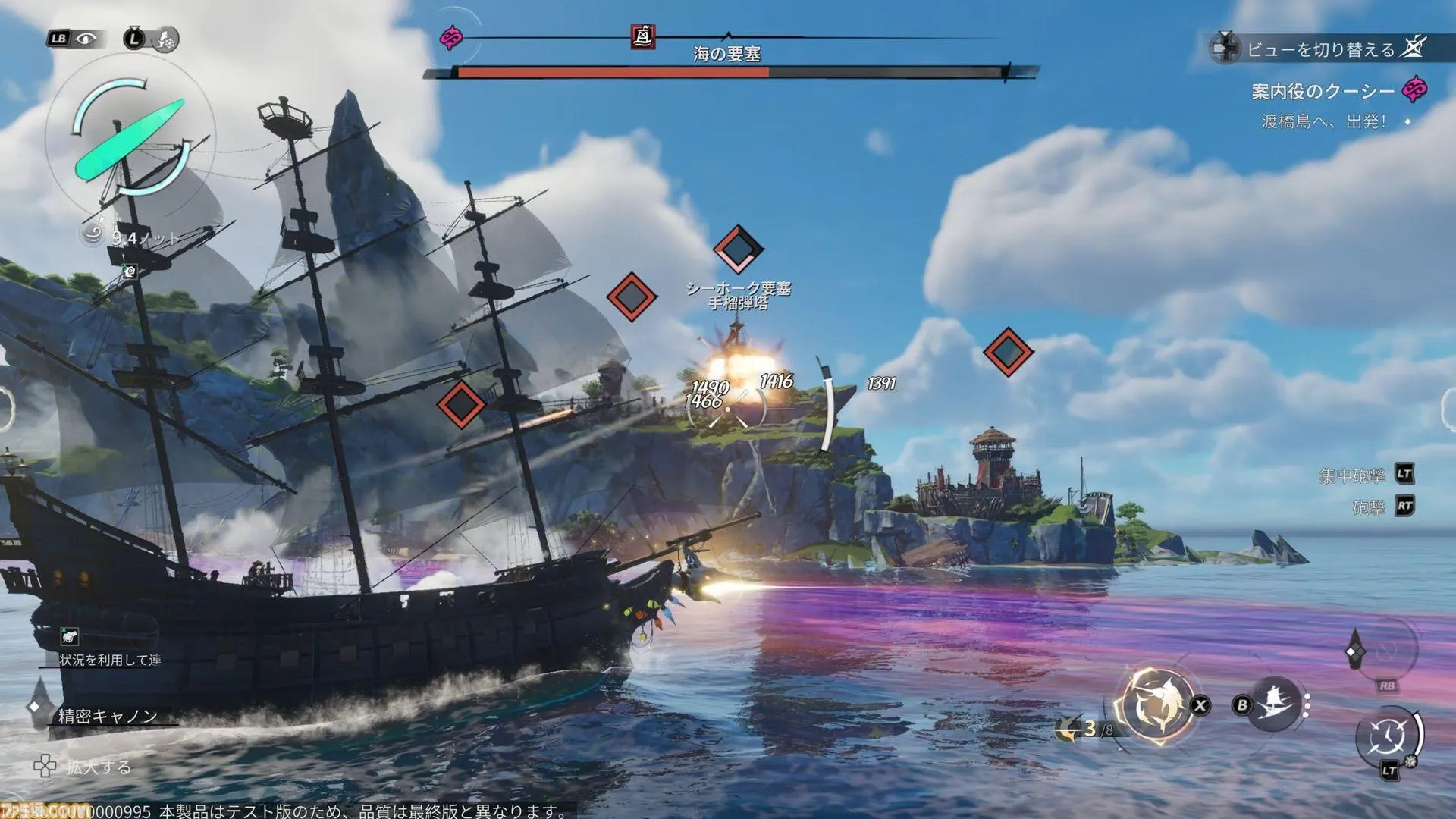
Naval encounters play very differently from battles on land. Players actively steer their vessel while aiming and firing at targets, creating a real-time combat layer in which positioning, firing angles and timing all matter. Enemy ships, sea monsters and hostile maritime targets can turn an ordinary voyage into a full naval fight.
Your ship is more than transportation. It functions as a mobile base that can be strengthened and customized, with cannons and ship components forming part of its progression. Improving the vessel also opens routes toward more distant waters, unfamiliar biomes and tougher enemies.
For that reason, spending everything on party growth while ignoring the ship is inefficient. Character strength helps you survive island encounters, while ship development expands where you can travel and improves your ability to handle dangers at sea. Both progression tracks feed directly into exploration.
What to do about Crew Building?
Sea of Remnants has a very large puppetfolk cast, with more than 400 companions referenced in 2026 game materials. Crew members can be assembled into exploration and combat teams, while professions, skills, equipment, buffs, shanties and voyage-specific effects further change how individual characters perform.
The roguelike structure makes rigid team building less effective. Enemy groups, potential recruits, weapons and other combat options can change between voyages, so the better approach is to look for complementary abilities and then build around the strongest equipment and effects you actually obtain during that run.
Character progression also supports flexible roles. Earlier hands-on builds showed profession levels, skill points and profession development layered on top of randomized gear. The practical result is that the same character does not need to perform exactly the same job on every voyage.
Orbtopia Is Where Long-Term Progress Happens
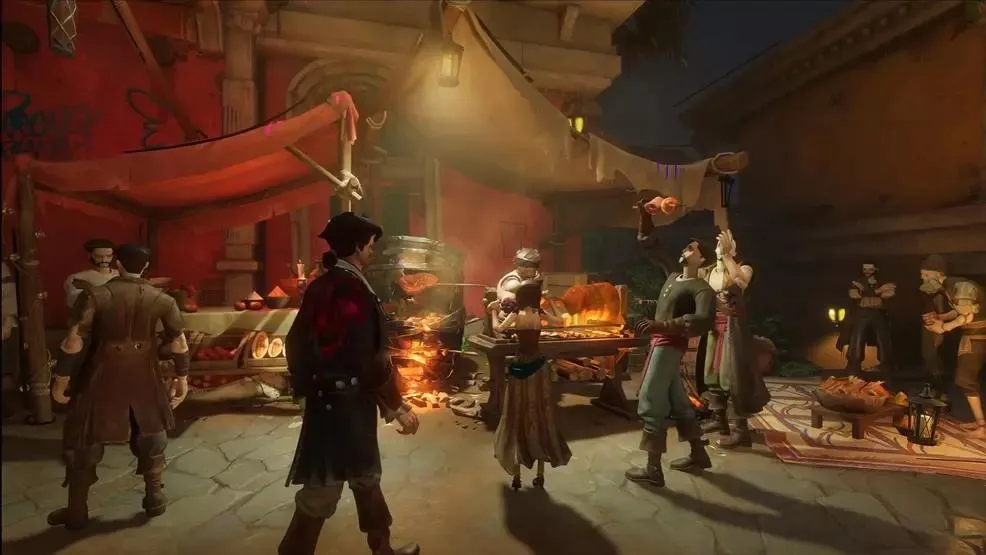
Orbtopia is the hub connecting every expedition. Returning players can strengthen characters, rearrange the crew, improve equipment, work on the ship and prepare for the next voyage. Permanent growth gives each return trip a purpose, so coming home is part of progression rather than a simple reset screen.
The city also offers activities away from combat. Fishing, cooking, music, mahjong, alchemy and other diversions have appeared across gameplay material, giving players things to do between major expeditions. These activities help Orbtopia function as a place to spend time, not merely a collection of upgrade menus.
A clean progression routine is to return to Orbtopia, spend recovered resources on permanent improvements, review the current crew, upgrade the ship where necessary and then prepare for the next route. Following that cycle keeps the large number of characters and systems from becoming overwhelming.
Sea of Remnants FAQ
Is Sea of Remnants turn-based?
Land battles use strategic turn-based combat, while naval encounters at sea are real-time. The two systems are designed as separate combat layers, so crew builds and ship upgrades both matter.
How does the Sea of Remnants gameplay loop work?
The main loop is Set Sail, Explore, Collect and Return. Voyages change the enemies, encounters, possible crewmates, gear, skills and enhancements you find, while returning to Orbtopia converts part of that progress into long-term growth.
How does the dice system work in combat?
Dice are a shared combat resource that can be spent to improve attacks and interact with vulnerability checks. Gameplay builds have allowed up to three dice on an attack. Beating an exposed enemy vulnerability value can grant an extra action, which makes saving dice for the right window especially valuable.
Do you lose all progress after a voyage?
No. Voyage-specific options can change from run to run, but permanent character growth, ship upgrades, relationships and other long-form progression carry forward when you return to Orbtopia.
Can you upgrade and customize your ship?
Yes. The ship acts as a mobile base and can be strengthened and customized. Better ship capability helps open routes to more distant waters, new biomes and harder enemies, so ship development is part of normal progression.
How many companions are in Sea of Remnants?
Game materials released in 2026 reference more than 400 companions. Because potential crewmates and combat options can change between voyages, the game encourages flexible team building rather than relying on one permanent lineup.
Is Sea of Remnants free to play?
Yes. Sea of Remnants is listed as a free-to-play ocean-fantasy RPG.
When is Sea of Remnants releasing and what platforms is it on?
The current release window is early 2027 for PlayStation 5, Xbox Series X|S, PC through Steam, Epic Games Store and Microsoft Store, iOS and Android. A closed beta is scheduled for December 2026.
Conclusion
The key to Sea of Remnants is adaptation. During turn-based battles, preserve dice for exposed vulnerabilities and use special attacks when interrupting the action order matters. At sea, balance offensive positioning with ship control and continue investing in vessel upgrades. Between voyages, convert recovered resources into permanent growth instead of treating every expedition as an isolated run.
For new players, the most useful rule is simple: build around what the current voyage gives you, return home with meaningful resources and improve both the crew and the ship before pushing farther. That approach matches the game’s repeated-voyage structure and reduces the temptation to force a single fixed build into every situation.






 TOP UP WITH DISCOUNT NOW
Savannah Reed Experienced Game Editor
I'm a game guide writer with over 20 years of experience playing all types of games, especially anime-style RPGs, gacha and sports games. I love finding smart ways to beat tough levels without spending too much money. By studying game mechanics and character systems, I create easy tips to help players save time and resources. When I'm not gaming, I watch anime to get inspiration for strategies. My goal? To help you enjoy games more and stress less – even when facing "impossible" bosses! Let’s make gaming fun and affordable together!
