








Strategy games are in a great place in 2026. Whether you want to command armies in real time, build an empire across centuries, manage a desperate colony, or solve brutal turn-based tactical puzzles, the genre has something for every type of planner. This list focuses on proven, highly replayable strategy games rather than only chasing new releases. Some are modern classics, some are still expanding through updates and DLC, and others remain unbeatable because of their design depth.
Related CDKEY and Gift Cards
The 2026 Strategy Watchlist: 20 Worlds Worth Entering
1. Sid Meier’s Civilization VI
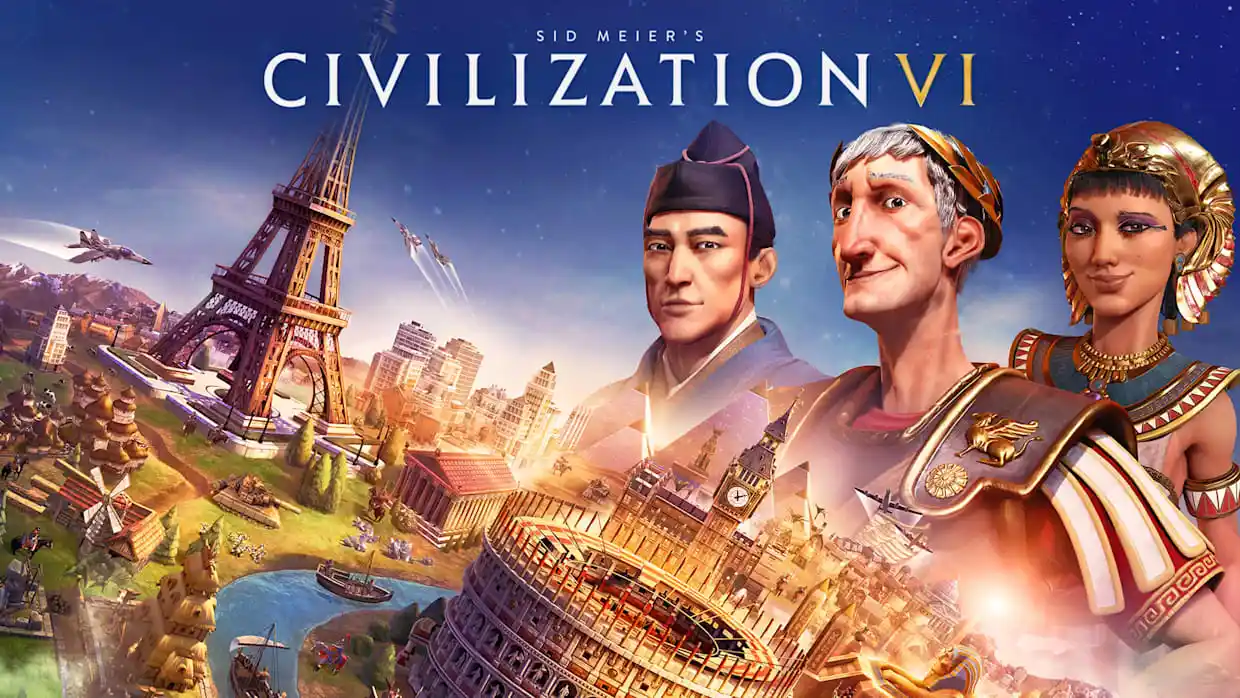
Sid Meier’s Civilization VI remains one of the most accessible and replayable 4X strategy games available. Developed by Firaxis Games and published by 2K, it challenges you to guide a civilization from the ancient era into the modern and future ages.
You explore the map, found cities, research technologies, build wonders, negotiate with rivals, wage wars, spread religion, and pursue different victory conditions. One of its defining systems is the district mechanic, which makes city placement more strategic than in older Civilization games.
Instead of stacking everything inside one city tile, you plan campuses, industrial zones, holy sites, theater squares, and harbors around terrain bonuses. Expansions such as Rise and Fall and Gathering Storm add loyalty, governors, climate change, diplomatic systems, and natural disasters, making the full version much deeper.
That combination of accessible systems and long-term depth is what keeps Civilization VI so replayable. Every civilization pushes you toward a different playstyle, every map creates a new story, and the game can easily support hundreds of hours without feeling repetitive.
2. Total War: Warhammer III
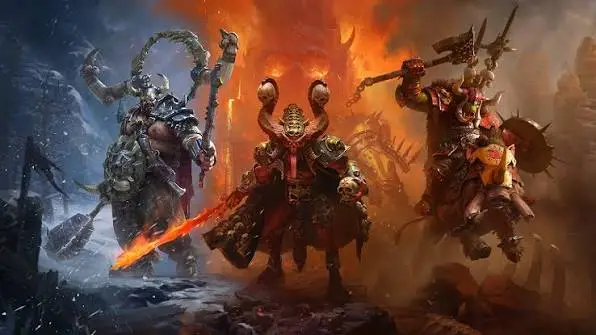
Total War: Warhammer III combines Creative Assembly’s large-scale campaign design with Games Workshop’s dark fantasy universe. On the campaign map, you manage settlements, diplomacy, armies, heroes, economies, corruption, and faction objectives.
When battles begin, the game shifts into massive real-time warfare featuring infantry, cavalry, monsters, artillery, flying units, and spellcasters. The game’s biggest strength is faction variety. Playing as Kislev, Grand Cathay, Khorne, Tzeentch, Nurgle, Slaanesh, the Ogre Kingdoms, or the many factions available through the broader trilogy creates dramatically different campaigns.
The Immortal Empires mode turns the game into one of the largest fantasy strategy sandboxes ever made, combining races and territories from all three Total War: Warhammer games. It is not just about numbers; positioning, morale, magic timing, army composition, and terrain all matter.
The scale of those battles gives Total War: Warhammer III a level of spectacle few strategy games can match, while careful planning still matters at every stage. The mix of campaign management and cinematic real-time combat makes each faction feel like a genuinely different strategic experience.
3. Crusader Kings III
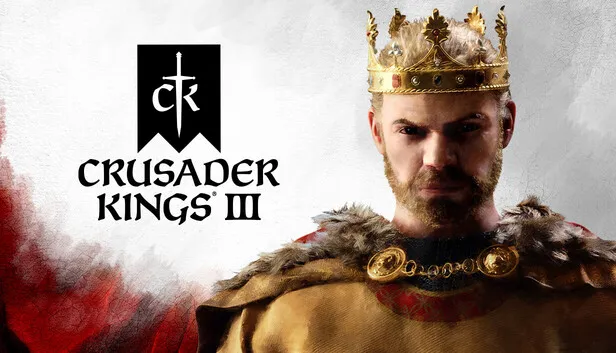
Crusader Kings III is less about controlling a nation and more about guiding a dynasty through medieval history. Developed by Paradox Development Studio, it lets you play as counts, dukes, kings, emperors, tribal rulers, religious leaders, and ambitious schemers across a vast medieval map. You arrange marriages, manage succession, educate heirs, wage wars, form alliances, handle vassals, and survive plots from rivals and family members. What makes it special is the character-driven design. Your ruler has traits, stress, relationships, secrets, ambitions, and flaws. A brilliant emperor may be followed by an incompetent heir, or a forgotten cousin may become the savior of your bloodline. The game blends political strategy with emergent storytelling, so even failure can become entertaining. Expansions and updates have added more depth to courts, cultures, travel, tournaments, and regional flavor.
That character-driven structure turns each campaign into a medieval family saga rather than a simple exercise in map expansion. Betrayal, romance, murder, faith, and ambition can reshape an entire dynasty, which is why no two campaigns feel quite the same.
4. Europa Universalis IV
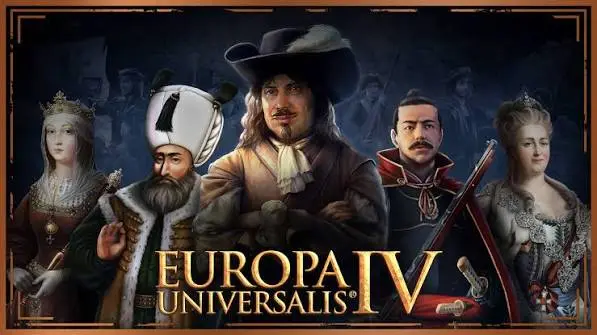
Europa Universalis IV is one of Paradox’s most important grand strategy games and remains a deep historical sandbox. Starting in 1444 and running into the early 19th century, it covers the age of exploration, colonial expansion, religious conflict, trade empires, absolutism, revolutions, and global power struggles.
You can lead major powers such as France, England, the Ottomans, Ming, or Castile, but you can also take control of smaller nations and attempt unlikely campaigns. The game’s systems include diplomacy, warfare, trade, institutions, technology, religion, estates, colonization, and national ideas.
Unlike many strategy games, Europa Universalis IV is not purely about conquest. Economic positioning, alliances, aggressive expansion, stability, and internal management all matter. It has a steep learning curve, but its scale and flexibility make it one of the most rewarding historical strategy games.
Its complexity pays off once the major systems begin to click together. Diplomacy, trade, warfare, and internal management combine into a convincing historical geopolitics sandbox, and few games capture the rise and fall of global powers as effectively as Europa Universalis IV.
Related CDKEY and Gift Cards
5. Stellaris
Stellaris takes Paradox’s grand strategy formula into space. Instead of beginning with fixed historical nations, you create your own species, government, ethics, traits, origin, and long-term identity. Your empire might be a peaceful federation of scientists, a machine intelligence, a hive mind, a spiritual monarchy, a megacorporation, or a militaristic empire bent on galactic domination.
The early game focuses on exploration, anomalies, colonization, and first contact. Later, diplomacy, warfare, megastructures, federations, galactic politics, and crisis events become central. One of the game’s greatest strengths is its science-fiction storytelling. Exploration events, ancient relics, fallen empires, endgame threats, and strange discoveries make the galaxy feel mysterious.
The game has received many major updates since launch, changing core systems such as economy, diplomacy, leaders, and warfare over time.
All of those systems make Stellaris feel like a space opera you are writing as you play. Empire building, exploration, role-playing, and large-scale war constantly overlap, giving the fantasy of shaping an entire galactic civilization real strategic weight.
6. Hearts of Iron IV
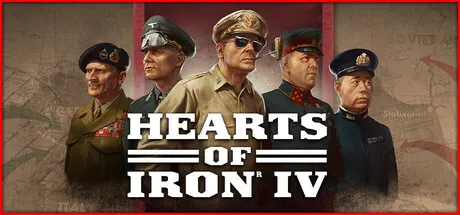
Hearts of Iron IV is Paradox’s dedicated World War II grand strategy game. It focuses on the years around the Second World War, letting you control major and minor nations as they prepare for, enter, and reshape the conflict.
You manage industry, research, production lines, division templates, national focuses, diplomacy, logistics, naval operations, air power, and front-line planning. Unlike more abstract war games, Hearts of Iron IV places heavy emphasis on preparation.
A poorly supplied army or badly designed division can collapse even if you have more troops on paper. The game supports historical and alternate-history paths, allowing countries to follow real events or take radically different political directions. Its active modding scene has also made it one of the most replayable strategy games on PC.
The emphasis on preparation is what gives Hearts of Iron IV its depth. Winning is not only about battlefield tactics; factories, fuel, supply routes, technology, and timing can decide a war long before the front line moves.
7. Age of Empires II: Definitive Edition
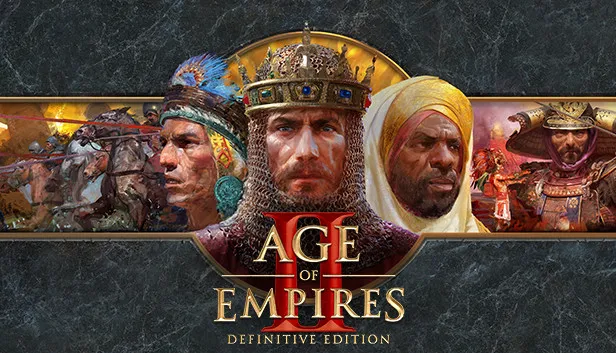
Age of Empires II: Definitive Edition is the modern version of one of the most beloved RTS games ever made. It updates the 1999 classic with enhanced visuals, quality-of-life improvements, new civilizations, improved matchmaking, and additional campaigns.
The core formula remains timeless: gather food, wood, gold, and stone; advance through historical ages; build armies; research upgrades; and defeat opponents through economy, timing, and battlefield control. Its civilizations are distinct without becoming overwhelming, and its counter system is easy to understand but difficult to master.
Spearmen counter cavalry, skirmishers counter archers, cavalry can raid economies, siege weapons break defenses, and monks add tactical utility. The game also includes a large collection of historical campaigns, making it valuable for both competitive and single-player audiences.
That timeless core still feels remarkably sharp in 2026. The mechanics are simple to learn but extremely deep, and campaigns, co-op, ranked matches, and custom games give Age of Empires II: Definitive Edition lasting value for many different types of RTS players.


8. Age of Empires IV
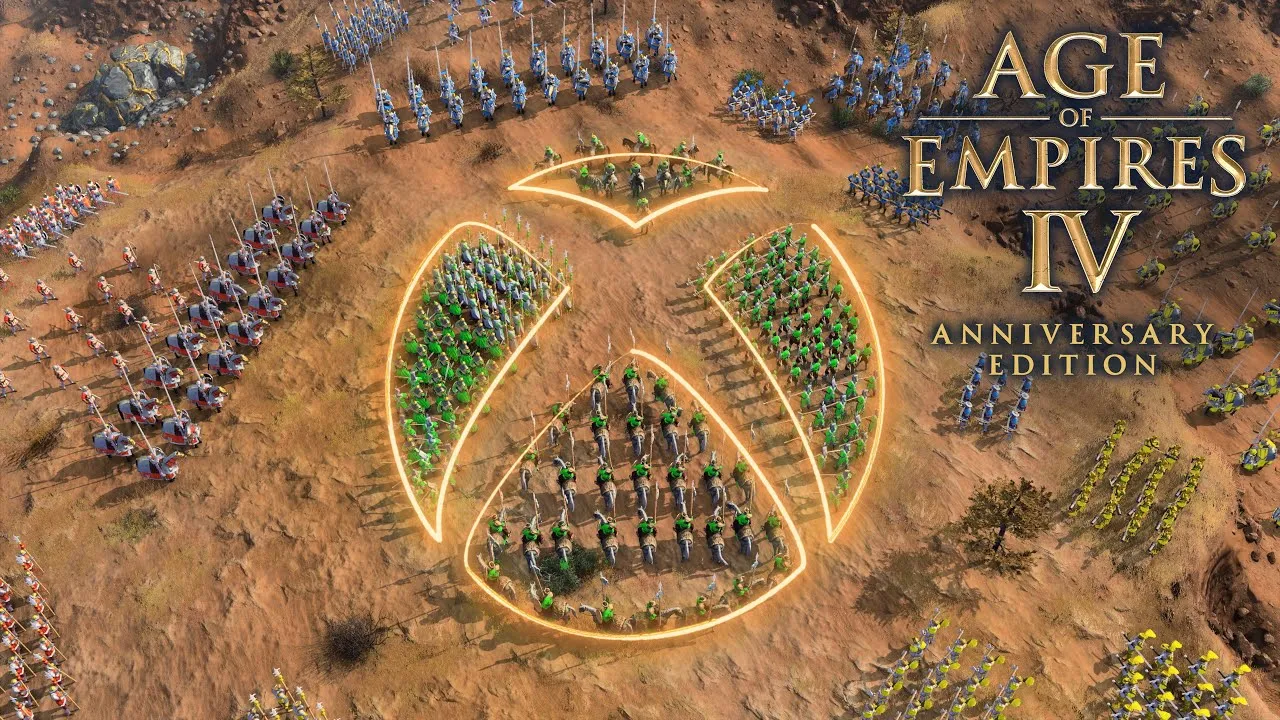
Age of Empires IV modernizes the traditional historical RTS formula while keeping the spirit of the series intact. Developed by Relic Entertainment and World’s Edge, it features asymmetrical civilizations, documentary-style campaign presentation, and a strong focus on readable battlefield action.
Civilizations such as the English, French, Mongols, Chinese, Delhi Sultanate, Abbasid Dynasty, Holy Roman Empire, and Rus each have unique mechanics that influence economy, military, technology, and map control.
Compared with Age of Empires II, Age of Empires IV feels more modern in pacing and presentation, with clearer civilization identities and more streamlined systems. It also includes historical campaigns that use narration and real-world footage to frame battles in context. Multiplayer emphasizes scouting, build orders, timing attacks, and adaptation.
Age of Empires IV works especially well because it modernizes the old-school RTS formula without losing its strategic identity. It is accessible enough for newcomers, supports serious competitive play, and presents medieval warfare with much more modern pacing and production values.
9. StarCraft II
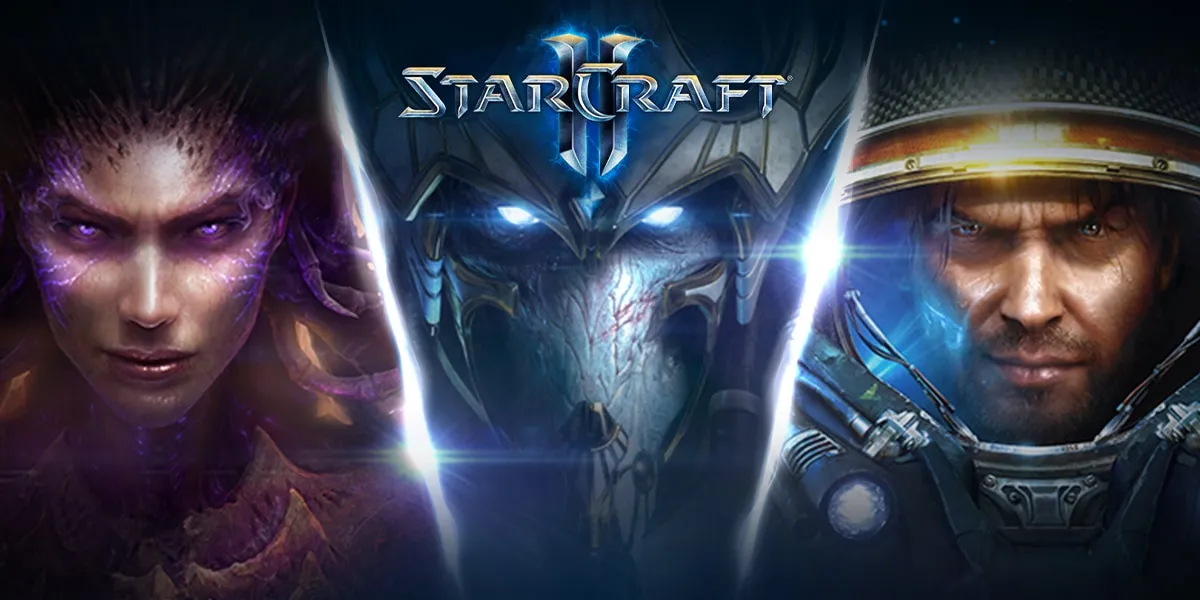
StarCraft II is one of the most important competitive RTS games ever made. Blizzard’s sci-fi strategy game revolves around three highly distinct factions: Terran, Zerg, and Protoss. Terrans rely on flexible units, defensive tools, and mobility; Zerg overwhelm enemies with expansion, speed, and numbers;
Protoss use powerful technology and high-value units. The brilliance of StarCraft II is its clarity. Every unit has a purpose, every mistake can be punished, and every match becomes a contest of scouting, mechanics, strategy, and decision-making.
The game also offers excellent campaigns across Wings of Liberty, Heart of the Swarm, and Legacy of the Void, plus co-op commanders for players who prefer PvE. Even years after release, it remains a benchmark for RTS responsiveness and competitive design.
That precision keeps StarCraft II near the top of the RTS genre for pure skill expression. It is fast, demanding, and highly rewarding, while the campaigns and co-op modes still offer plenty of value even for players who never touch the ranked ladder.
10. Company of Heroes 3
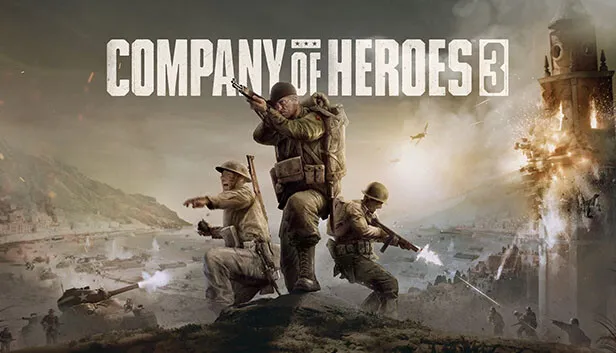
Company of Heroes 3 brings Relic’s tactical World War II series to the Mediterranean and North African theaters. Unlike base-building RTS games that focus heavily on economy expansion, Company of Heroes emphasizes battlefield control, cover, suppression, flanking, armor positioning, and squad preservation.
Infantry squads can use buildings, sandbags, and terrain to survive, while tanks require careful movement and support. Losing veteran units can be painful, so smart retreats are as important as aggressive pushes. The game includes a dynamic Italian campaign map, where player decisions influence operations, and a more traditional North African operation.
Multiplayer features several factions with different doctrines, units, and tactical identities. The game is at its best when small battlefield decisions snowball into major strategic advantages.
The focus on small-unit decisions gives Company of Heroes 3 tactical intensity without requiring you to manage a huge empire. Every engagement matters, positioning often beats raw numbers, and squad-level World War II combat stays tense from one skirmish to the next.
11. XCOM 2
XCOM 2 is a masterclass in turn-based squad tactics. Set after humanity has lost the war against alien invaders, you lead a resistance force trying to overthrow the alien-backed ADVENT regime. Missions involve stealth openings, timed objectives, destructible environments, flanking, overwatch, hacking, explosives, and brutal risk management.
Your soldiers gain classes, abilities, bonds, gear, and personal history, which makes losing them painful. The strategic layer is just as important: you manage research, engineering, global resistance contacts, resources, and the alien Avatar Project.
The War of the Chosen expansion significantly improves the game by adding powerful enemy champions, resistance factions, soldier bonds, fatigue, and more mission variety. Few games make a 70% hit chance feel this dramatic.
That combination of tactical pressure and persistent soldiers makes XCOM 2 tense, stylish, and endlessly memorable. Successes and disasters both become part of the campaign story, especially once you start forming an emotional attachment to individual units.
Related CDKEY and Gift Cards
12. Into the Breach
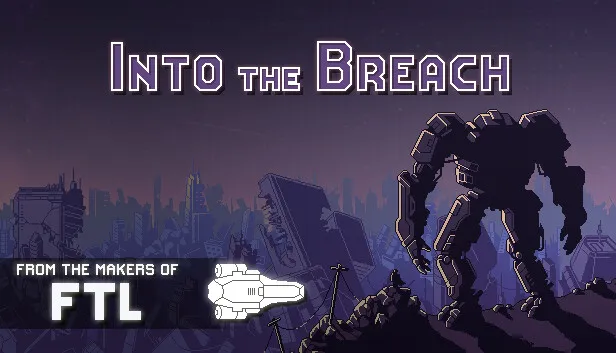
Into the Breach is a compact tactical masterpiece from Subset Games, the creators of FTL: Faster Than Light. You control a squad of mechs defending cities from giant insect-like creatures called the Vek. Each battle takes place on a small grid, and enemies clearly telegraph their attacks before they happen.
That single design choice changes everything. Instead of guessing what opponents might do, you solve the board by pushing, blocking, damaging, freezing, or redirecting threats. Protecting civilian buildings is often more important than destroying enemies.
The game is short, but its different mech squads, pilots, objectives, and island layouts create huge replayability. The Advanced Edition update added more squads, enemies, weapons, pilots, and missions, making an already excellent game even stronger.
Its compact design keeps the strategy focused instead of bloated. Every turn feels like a clean tactical puzzle with meaningful consequences, making Into the Breach easy to start, difficult to master, and equally suited to short sessions or deep optimization.
13. Fire Emblem: Three Houses
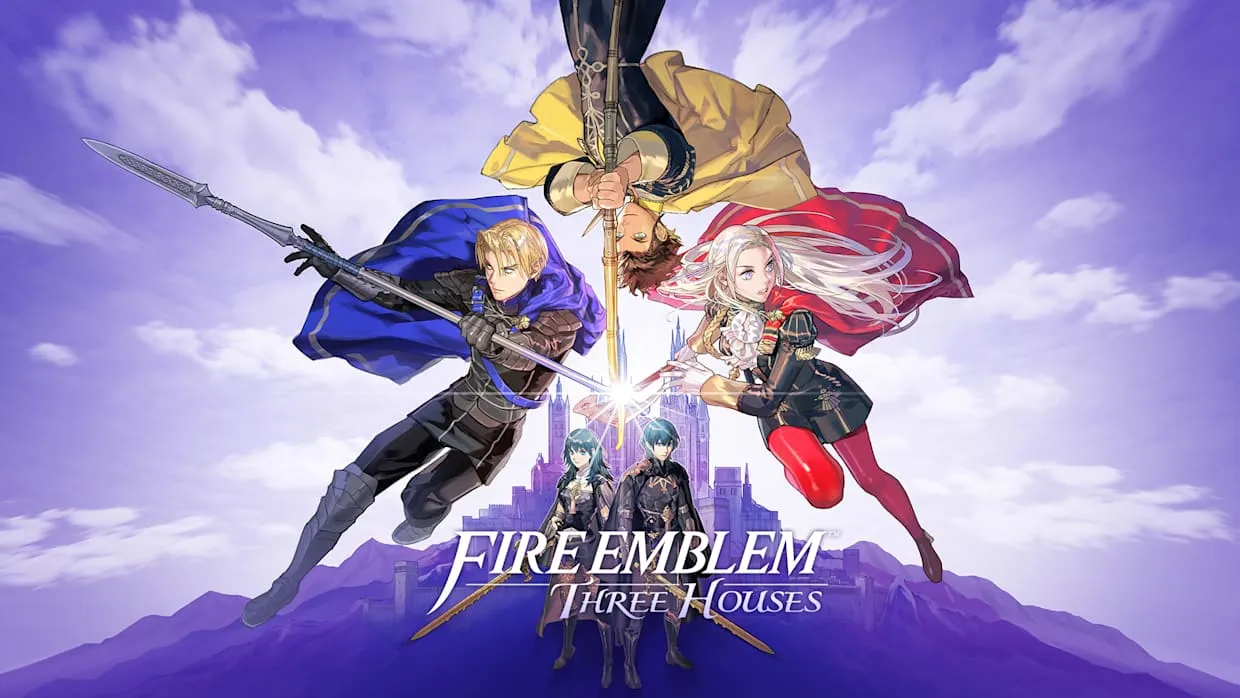
Fire Emblem: Three Houses blends turn-based tactical combat with school-life management, character development, and branching narrative routes. You play as a professor at Garreg Mach Monastery and choose one of three student houses: the Black Eagles, Blue Lions, or Golden Deer.
That choice shapes your relationships, army composition, and story perspective. Between battles, you teach students, improve skills, build support bonds, recruit characters, explore the monastery, and prepare for future conflicts.
On the battlefield, positioning, weapon types, class growth, battalions, combat arts, and permadeath settings create meaningful tactical decisions. The game’s strength lies in how it connects characters to strategy. Your units are not disposable pieces; they are students, allies, friends, and sometimes enemies depending on the route you choose.
Because character relationships are tied so closely to the tactical layer, battles often feel more personal than they do in many strategy RPGs. The branching routes also give Fire Emblem: Three Houses strong replay value and make different playthroughs feel meaningfully distinct.
14. Triangle Strategy
Triangle Strategy is a tactical RPG from Square Enix and Artdink, presented in the same HD-2D visual style associated with Octopath Traveler. The game takes place on the continent of Norzelia, where political tension revolves around control of salt and iron. You follow Serenoa Wolffort and his allies as they navigate war, diplomacy, loyalty, and moral compromise.
Battles are grid-based and emphasize elevation, terrain, positioning, follow-up attacks, elemental interactions, and unit roles. Unlike some tactical RPGs, characters have fixed identities and specialized kits, making party composition important.
The Scales of Conviction system allows major story decisions to be debated and voted on by your companions, with outcomes influenced by your choices and persuasion. This gives the game a strong political identity.
The result is a tactics game where political drama matters as much as battlefield positioning. Combat is thoughtful rather than flashy, and the branching decisions give real weight to the story while preserving the feel of a classic strategy RPG.
15. Marvel’s Midnight Suns
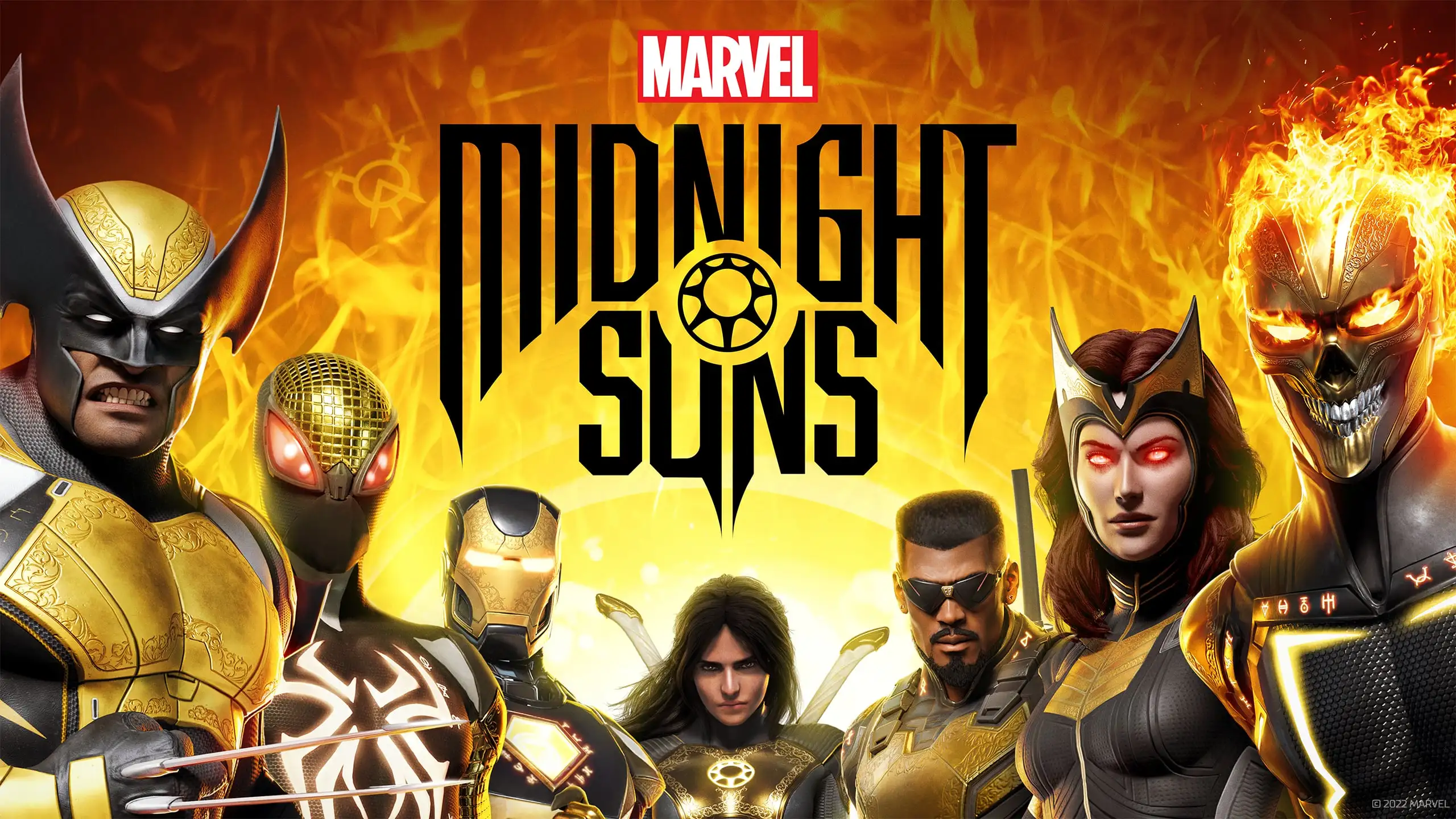
Marvel’s Midnight Suns is one of the most underrated modern tactical games. Developed by Firaxis, it combines turn-based tactical combat with deck-building mechanics and superhero team management.
Instead of relying on hit percentages like XCOM, combat uses cards drawn from each hero’s customized deck. Positioning still matters because many abilities knock enemies into objects, explosives, allies, or other enemies. The roster includes characters such as Blade, Doctor Strange, Ghost Rider, Iron Man, Captain Marvel, Wolverine, Spider-Man, and more, alongside the player-created Hunter. Between missions, you explore the Abbey, build friendships, upgrade cards, research improvements, and unlock cosmetics.
The social systems may surprise players expecting only combat, but they help distinguish each hero mechanically and narratively.
The card system keeps battles fresh, while environmental attacks make positioning feel active and satisfying. Even without a strong attachment to Marvel, the combination of tactical depth, personality, and superhero teamwork gives Midnight Suns a distinctive identity.
Related CDKEY and Gift Cards
16. Frostpunk
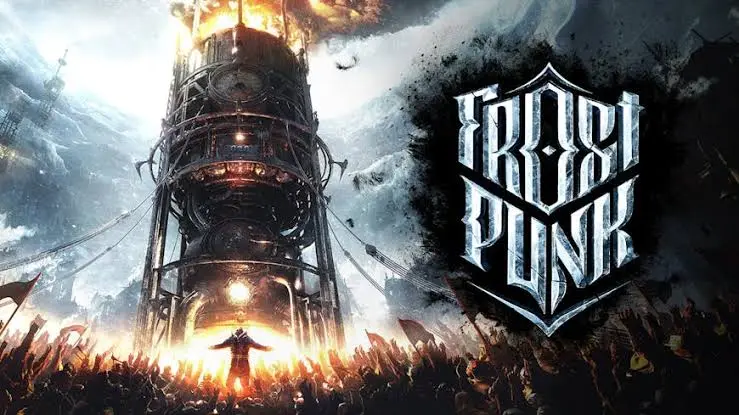
Frostpunk is a survival city-builder from 11 bit studios set in a frozen alternate-history world. You lead the last city around a central generator, balancing heat, labor, food, medical care, housing, technology, and social order. The challenge is not only mechanical but moral.
When temperatures drop and resources run low, you must decide whether to extend work shifts, use child labor, enforce harsh laws, ration food, or push citizens beyond humane limits. Hope and discontent are core systems, and poor leadership can lead to collapse even if your buildings are technically efficient.
The game’s scenarios introduce different survival problems, from refugee crises to authoritarian temptation. It is bleak, focused, and emotionally effective.
Few strategy games make decisions feel as heavy as Frostpunk does. The goal is not simply to build a beautiful city, but to keep people alive when every option carries a cost, turning city-building into a constant test of pressure, survival, and moral compromise.
17. RimWorld
RimWorld is a colony simulation game created by Ludeon Studios and inspired by emergent storytelling. You manage a group of colonists stranded on a distant planet, building shelter, producing food, researching technology, crafting weapons, trading, defending against raids, and dealing with disasters.
What makes RimWorld special is its AI storyteller system. Different storytellers control the pacing of events, from disease and mental breaks to pirate attacks, animal revenge, toxic fallout, and unexpected visitors. Colonists have traits, skills, relationships, addictions, injuries, moods, and personal needs.
A colony may fall not because of one big battle, but because a cook gets food poisoning, a doctor has a breakdown, and a fire spreads through the freezer. Expansions add royalty, ideology, children and genetics, and horror-themed systems depending on the edition.
That chain-reaction design is what makes RimWorld so memorable. Management failures can turn into unforgettable stories, while colony survival, dark humor, and player-driven narratives give the game enough variety to support hundreds or even thousands of hours.
18. Against the Storm
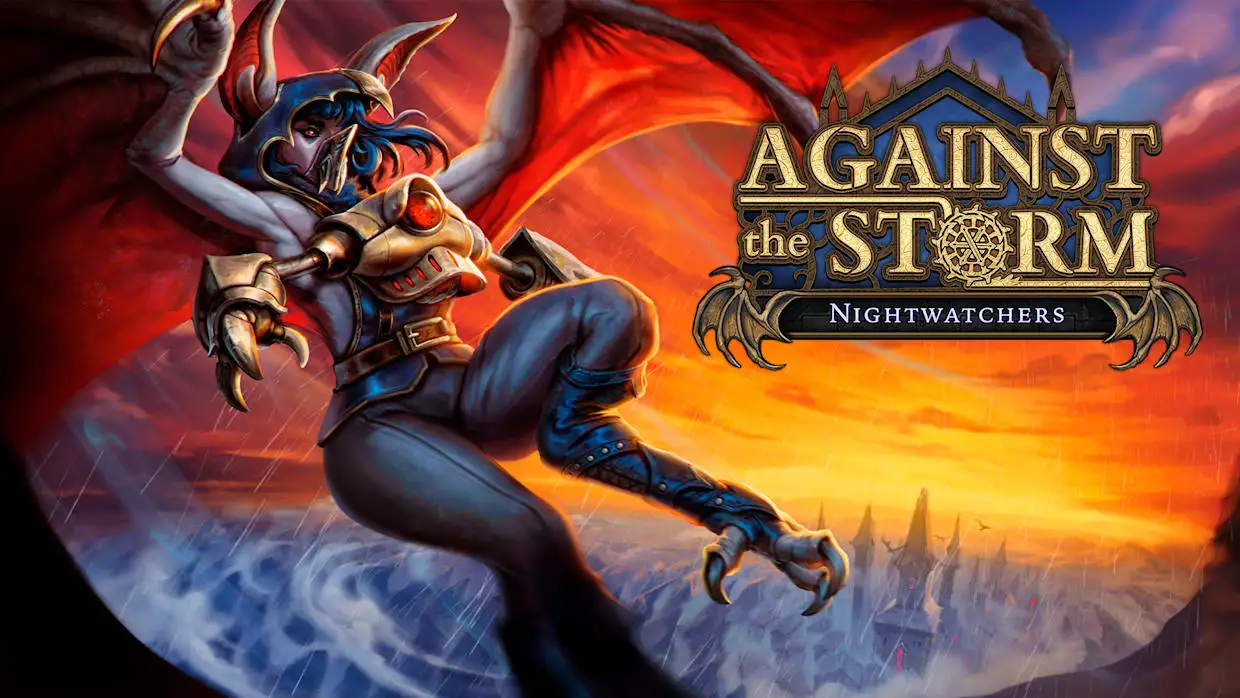
Against the Storm is a roguelite city-builder from Eremite Games, published by Hooded Horse. Instead of building one permanent city forever, you establish a series of settlements in a hostile fantasy world ruled by endless rain.
Each settlement has different map conditions, resources, species, orders, dangerous glades, production chains, and risks. You manage populations such as humans, beavers, lizards, harpies, and foxes, each with different needs and strengths.
The core tension comes from balancing exploration and safety. Opening new forest glades gives access to resources and events, but it can also reveal dangerous threats. Runs are tied together through progression at the Smoldering City, giving the game long-term structure. It is faster and more objective-driven than traditional city-builders.
The shorter settlement structure helps Against the Storm stay fresh while still offering deep decisions. Optimization and adaptation matter from run to run, and the roguelite progression gives the city-building loop much stronger replayability than a single permanent settlement.
19. Dune: Spice Wars
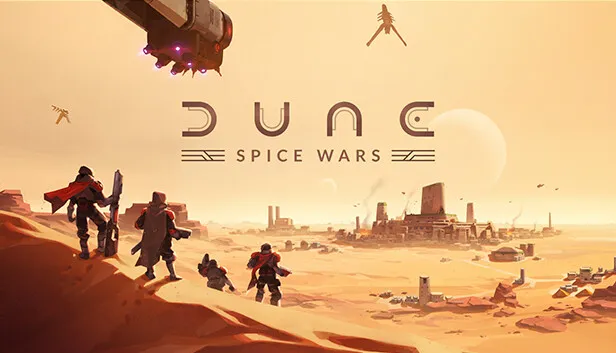
Dune: Spice Wars adapts Frank Herbert’s legendary sci-fi universe into a hybrid of 4X strategy and real-time political conflict. Developed by Shiro Games, it places you on Arrakis, where spice is the most valuable resource in the universe. You choose factions such as House Atreides, House Harkonnen, the Fremen, and others, each with different political, economic, and military strengths.
The game is not just about direct conquest. You must manage spice harvesting, supply, territory control, diplomacy, espionage, Landsraad politics, assassination attempts, and sandworm threats. Arrakis itself is dangerous: desert logistics, storms, and worms can punish careless expansion.
Compared with traditional RTS games, Dune: Spice Wars is slower and more strategic, with victory possible through domination, politics, economy, or covert operations.
Scarcity, politics, and environmental danger give Dune: Spice Wars a strong sense of Arrakis throughout each match. Its mix of 4X ideas and real-time pacing creates a slower, more deliberate strategy experience than a traditional RTS.
20. Manor Lords
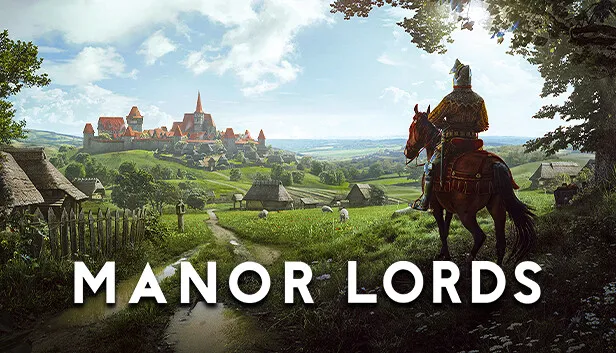
Manor Lords is a medieval strategy and city-building game developed by Slavic Magic and published by Hooded Horse. Released into Early Access in 2024, it gained attention for its grounded approach to settlement construction and historical atmosphere.
Instead of placing generic buildings in a rigid grid, you shape villages with organic roads, burgage plots, farms, marketplaces, churches, workshops, and production chains. Seasons matter, food security matters, and regional resources influence how your settlement grows. The game also includes tactical battles, where levies and retinues fight in formations rather than as abstract numbers.
Its appeal comes from the combination of intimate village management and broader territorial ambition. Because it is an Early Access game, players should expect ongoing development, but its foundation is already compelling.
That slower pace makes Manor Lords feel more like watching a believable medieval settlement take shape than simply optimizing a production grid. Even in Early Access, the combination of organic village growth, regional planning, and tactical battles gives it a strong sense of place and potential.
Conclusion
The best strategy game in 2026 depends on what kind of commander, ruler, or planner you want to be.Strategy games thrive because they make players think, adapt, and live with consequences. Whether you have 20 minutes or 200 hours, these 20 games are some of the best strategic experiences to play in 2026.


 TOP UP WITH DISCOUNT NOW
Antonia Experienced Game Editor
I'm a guide writer specializing in competitive shooters and simulation and management games. I love analyzing maps, tweaking mouse sensitivity, optimizing farming routes, and planning the long-term development of my characters or colonies. I combine the adrenaline rush of a good match with the satisfaction of seeing everything come together in a well-designed system. My guides are designed to help you get the most out of your time, whether you’re climbing the ranks in Valorant, mastering a Call of Duty map, or building the most efficient base in a survival game. We play to have fun, but winning is pretty cool too!
