

If you’re diving into Neverness to Everness, one of the most important systems you’ll need to understand early is the Module system. Modules are essential for strengthening your character through the Console system, and farming them efficiently can make a huge difference in your progression.
In this guide, we’ll break down exactly how to get Common, Rare, and Legendary Modules, step by step.

Step 1: Travel to New Herland District
Start by opening your map and heading to New Herland District. This is the central location where everything begins.
Once you arrive:
● Find the Rabbit Hole teleport point
● Enter the forward instance zone
This is where your Module farming journey begins.
Step 2: Complete Any Dungeon & Talk to NPC
Inside the area, interact with the NPC and complete any available dungeon.
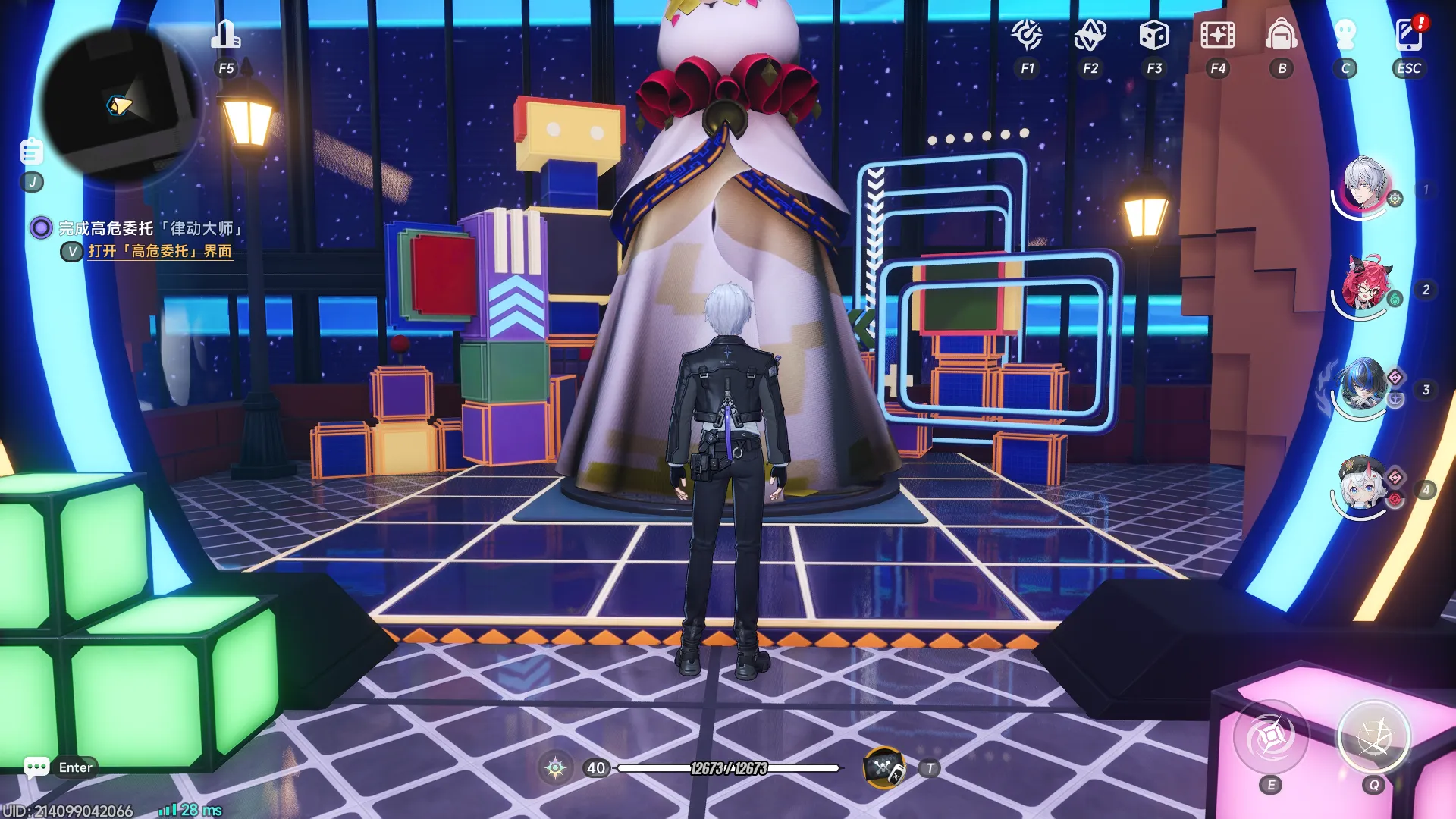
After finishing, you will receive Carrota Coins:
| Bronze Carrota |  |
|
Silver Carrota |
 |
| Gold Carrota |  |
These Carrota Coins are the main currency used in the Module Rewind system.
6480 Riftcrystal Direct Top-Up for Just $ 77.98
Neverness to Everness 6480 Riftcrystal
Delivered in as fast as 30 seconds
Limited-time offer: $ 77.98 | $ 99.99
LDShop offers the best price with instant delivery.
Step 3: Open Console → Rewind System
Next, open your character interface:
● Go to Character Info
● Select Console
● Click Rewind (bottom-left option)
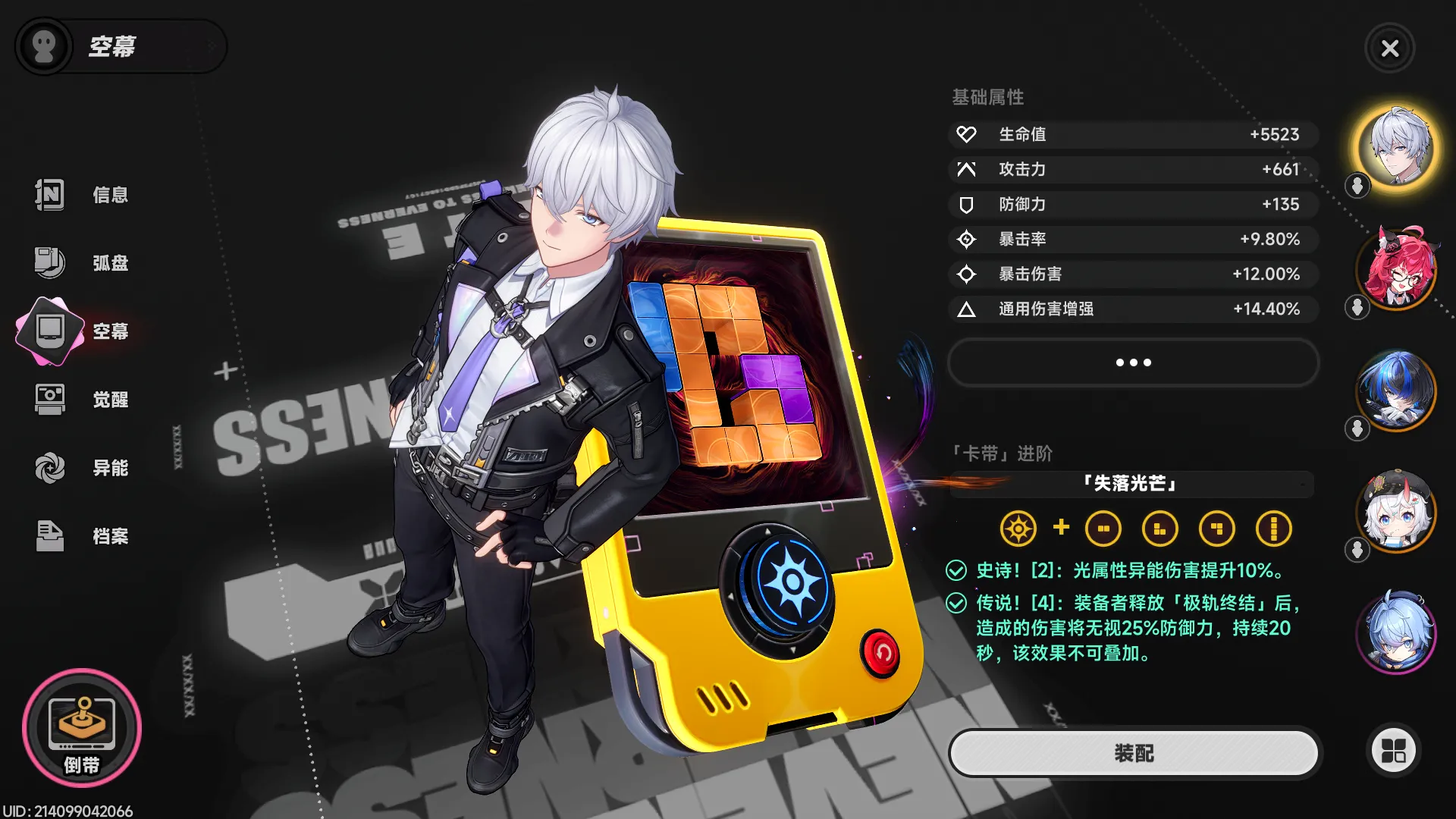
This system acts as the Module acquisition system, functioning like a controlled gacha pull mechanic.
Step 4: Choose Your Module Tier
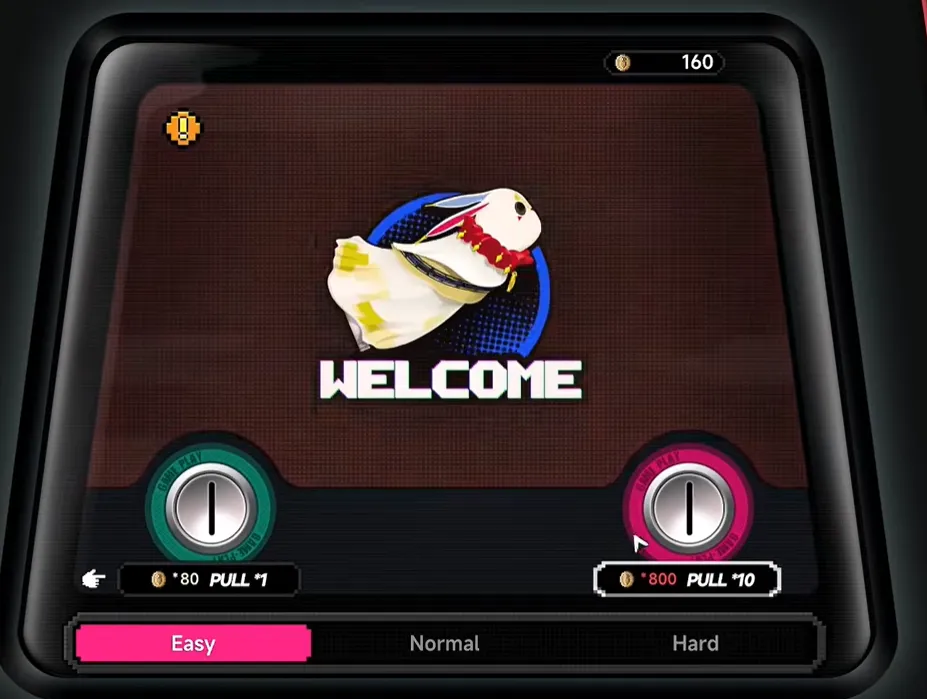
Inside the Rewind system, you can select different pull tiers based on Carrota Coins.
Easy Mode – Common Modules
● Uses lower-tier Carrota Coins
● Standard randomized pulls
● Rewards: Common Modules
Normal Mode – Rare Modules
● Uses Silver Carrota Coins
● Improved reward pool compared to Easy mode
● Rewards: Rare Modules
Hard Mode – Legendary Modules
● Uses Gold Carrota Coins
● Highest difficulty and cost tier
● Rewards: Legendary Modules
Understanding the System
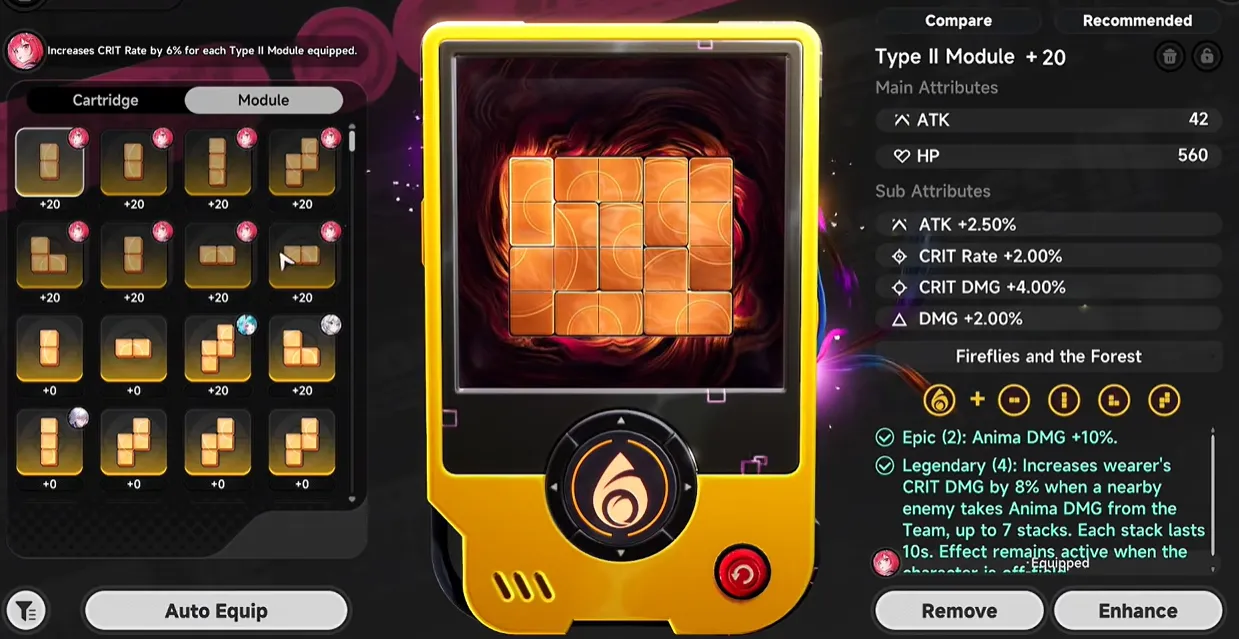
The Module system in Neverness to Everness is built around three core layers:
● Console Layout System → where Modules are placed like puzzle pieces
● Cartridge System → determines set bonuses
● Module Types → affect character specialization bonuses
One of the system’s biggest features is flexibility in how you build—you can freely choose the shape and placement of your Modules to fit different setups. However, it’s important to note that selecting repeated driver block types will gradually increase the cost required per pull, so efficiency in planning your layout also matters in long-term progression.
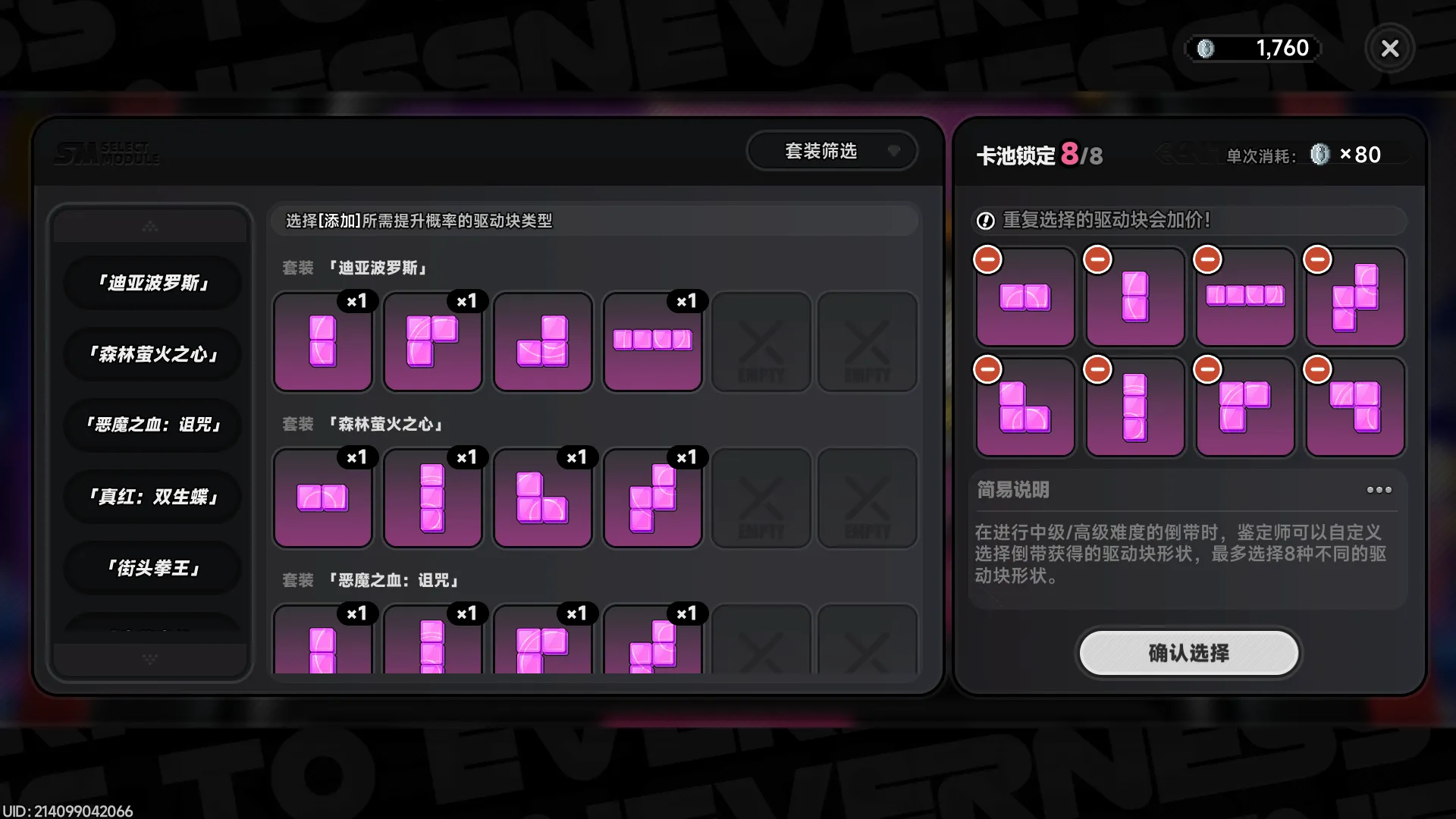
Boost Your Progress with LDShop
If you want to speed up your progression in Neverness to Everness, upgrading your resources can make a huge difference.
Get faster access to in-game resources and optimize your Module farming efficiency without unnecessary grind.
Conclusion
The Module system in Neverness to Everness is built around smart farming and resource management. Once you understand how Carrota Coins and the Rewind system work, you can easily scale from basic builds to full Legendary setups.
Master the loop, choose the right tier, and optimize your pulls—and your characters will scale much faster than most players.






 TOP UP WITH DISCOUNT NOW
Nicole Experienced Game Editor
Hi, I’m Nicole, a game content writer and editor who focuses on breaking down complex game systems into clear, practical guides that players can actually use. I spend most of my time exploring how progression mechanics work in modern RPGs and live-service games—especially systems involving character building, resource loops, and upgrade structures like console setups, module systems, and gacha-style mechanics. My goal is to take all the confusing parts of a game and turn them into something simple, readable, and efficient, so you can spend less time guessing and more time progressing.
![[New User Discount] Monthly Card | NTE Top Up (Global)](https://shop.ldrescdn.com/rms/ld-space/process/img/9c38037758ea47e9becd0dcc135d7d441789629790.webp?x-oss-process=image/resize,m_fill,h_160,w_160)