


If you’re reading this, you’re probably staring at the WuWa 3.1 banner screen thinking, “Okay… which one actually helps my account?” This guide breaks down Aemeath vs. Chisa in the way you’ll feel it in real fights—what kind of damage loop they create, what teammates they want, and who’s the cleaner upgrade for your roster.

Positioning: What does your account lack?
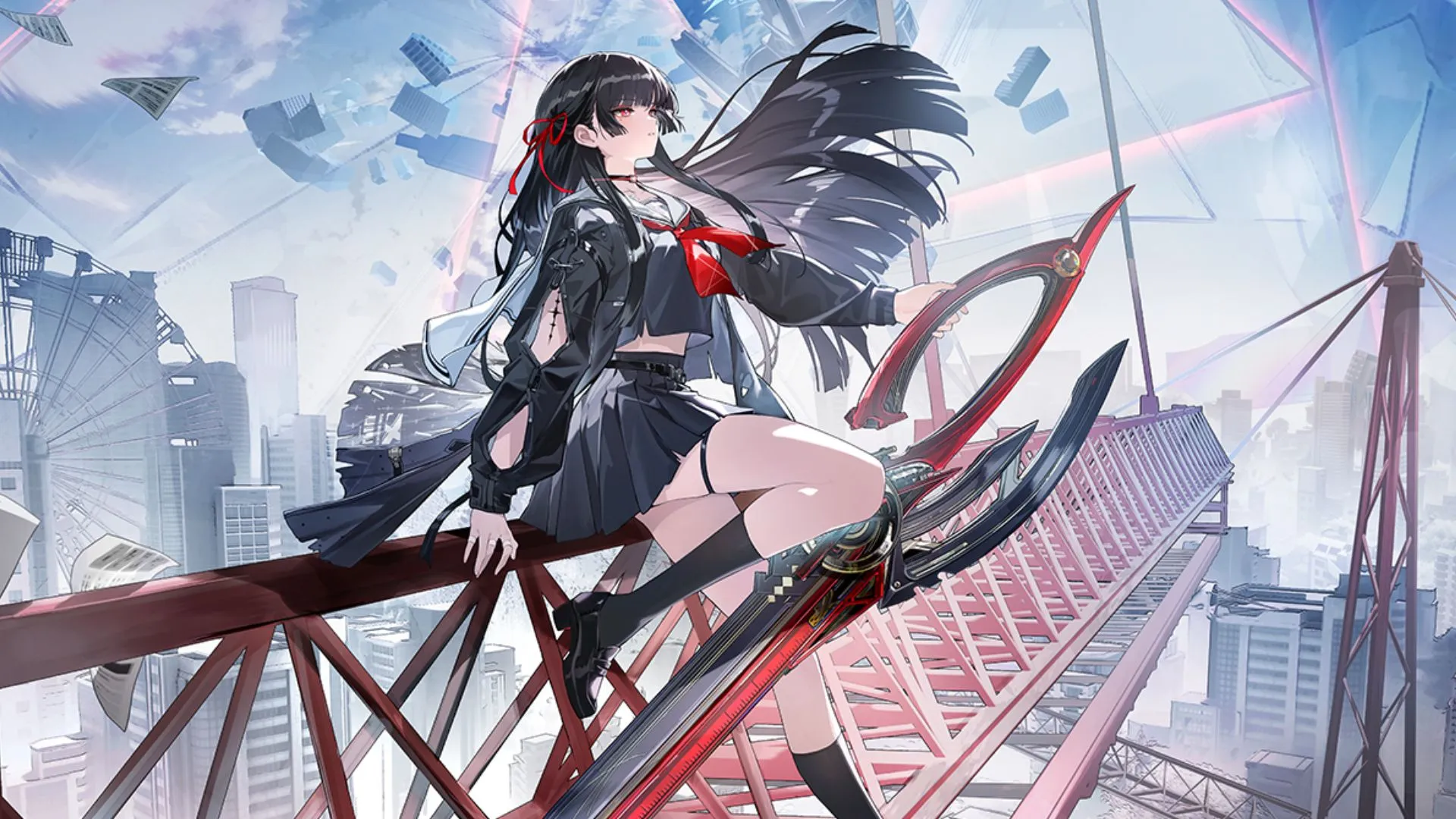
Pull Aemeath if your roster is missing a “real carry,” the kind of character who can walk into boss content and say: “give me one clean window, and I’ll delete the HP bar.” Her kit is built around switching between Aemeath ↔ Mech, then chaining the right attacks into timed Resonance Skill follow-ups (Sync Strikes) to stay in flow and build toward her big finish.
Pull Chisa if your roster already has damage dealers, but your teams feel ‘unfinished.’ She’s basically a cornerstone for Negative Status play: her Outro can raise the maximum stacks of Negative Status (and Electro Rage) enemies can take, and she can also enable team DEF ignore via her buff package—so your debuff-based comps don’t just “apply stacks,” they actually convert stacks into damage.
Best scenarios and content

Aemeath is your “planned burst” queen. Boss fights where you can learn patterns, time dodges, and force a clean window? That’s where her form-swap rhythm turns into a big Finale payoff. She also has a built-in “boss vs waves” knob: Tune Rupture mode leans into a more focused payoff, while Fusion Burst mode leans into stacking/triggering Burst effects and detonating value across targets.
Chisa is your “make the run stop being messy” pick. Waves, mobile elites, rooms where enemies won’t stand still, or runs where you keep getting chipped down—Chisa’s pull/control + team healing + status scaling is exactly the kind of kit that makes a comp feel stable and consistent.
Team-building Difficulty
Aemeath’s team-building cost is basically “2 normal support slots” because her core damage plan is self-contained. She can run her mode loop, stack toward her payoff, and cash out through her own kit without needing a teammate to “activate” a special condition first. So to make an Aemeath team feel complete, you’re really just buying the classic carry package:
- one sustain/comfort slot so she can stay on-field and finish her window, and
- one general support slot that improves uptime/rotation smoothness (energy, faster handoffs, generic buffs).
Those are universal roles most accounts already have candidates for, which is why Aemeath is cheap to team-build at budget.
Chisa’s team-building cost is “1 mandatory status slot + 1 flex slot” because her unique value is tied to Negative Status. Her Outro is built to reward teams that consistently apply Negative Status by raising the stack cap and enabling a DEF-ignore payoff linked to that ecosystem. If your team can’t keep a Negative Status online, Chisa still provides comfort tools, but you’re not getting the main reason she’s special. That’s why one slot is effectively locked to a reliable status applier, and only the third slot is truly flexible—making her budget team-building difficulty slightly higher.
Perfect team cost flips the picture.
To push Aemeath to her best ceiling, she strongly prefers the newest 3.x Tune Break ecosystem partners—especially Startorch-linked units like Lynae and Mornye, whose kits are explicitly described around Tune Rupture/Strain responses, Off-Tune buildup, and Tune Break boosting. That often means Aemeath’s “perfect” team isn’t just “optimize artifacts,” it’s two extra new-banner investments on top of Aemeath herself.
Chisa, meanwhile, tends to be a “missing piece” pull: her best setups frequently slot into older Negative Status cores you may already own, so the “perfect team” can cost less in pulls because you’re upgrading an existing engine rather than buying an entirely new one.
6480+1600 Lunites for Just $ 71.99

Limited-time offer: $ 71.99 | $ 99.99
No more price checking. LDShop always offers the best price.
Cost-to-performance

If you’re only pulling one copy (0+0), Aemeath generally gives better “instant value” because she’s a full on-field carry who can feel complete with two normal support slots (sustain + general buffer/energy). Her identity doesn’t hinge on one specific teammate—you can flex partners and still get a clean boss-to-waves pivot thanks to her mode-based gameplan.
Chisa at 0+0 can absolutely work, but her best value is more conditional: she really wants a reliable Negative Status applier on the team. If you already run status cores, she’s a huge quality upgrade; if you don’t, she can look like “nice comfort” rather than a power spike.
For higher-investment sweet spots: Aemeath’s is 3+1 (she becomes more self-sufficient and her signature reinforces her cash-out plan). Chisa’s is 2+1—that’s where her status support identity fully clicks, and her signature is mainly for players who are committing to endgame Negative Status teams.
6480+1600 Lunites for Just $ 71.99
Limited-time offer: $ 71.99 | $ 99.99
No more price checking. LDShop always offers the best price.
Future value
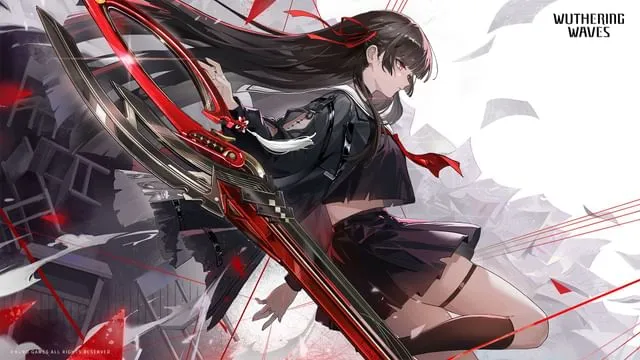
Chisa should age like a solid B+/A- support for a long time because Negative Status isn’t a one-patch gimmick—Frazzle/Erosion/DoT-style teams exist across many rosters, and her Outro directly upgrades that entire family by improving stack limits and adding DEF-ignore payoff when statuses are applied/dealt.
But in 3.x specifically, she may look “less flashy” simply because the spotlight is on the new 3.0 combat layer: Tune Break, Shifting effects (Tune Rupture/Strain), and the new stat ecosystem around them. When the game introduces a whole new damage language, supports that don’t interact with it can feel temporarily less relevant in discourse—even if they’re still strong in their lane.
Version 3.0 is literally framed around Startorch Academy and Tune Break as a system expansion, and Aemeath is positioned as a 3.1 Startorch-related character on the official-facing info side.
And the Tune Break system is not subtle: 3.x characters have higher baseline interaction with the new stat (Tune Break Boost) and unique Shifting effects; it’s the kind of “new pillar mechanic” developers usually keep feeding with more characters and more content.
So even without pretending we can see the future, the direction is readable: Aemeath being a new 3.1 carry tied to the same ecosystem as Lynae/Mornye makes it very likely she gets more “designed-for-her” partners as 3.x rolls forward—especially from the same Startorch roster pipeline.
Final verdict
Pull Aemeath if you’re missing a main DPS you can build a whole side around, and you like characters that reward clean execution. Her mode split gives you boss vs waves coverage without coping.
Pull Chisa if you already have damage but your Negative Status teams are waiting for a backbone—she brings sustain, control, and the archetype scaling that makes those teams feel “real.”
Pull both only if you’re committing to the Fusion Burst route (or you’re building two teams and can fund two pipelines), because Chisa directly upgrades Aemeath’s Fusion Burst ceiling by raising the stack cap.
Conclusion
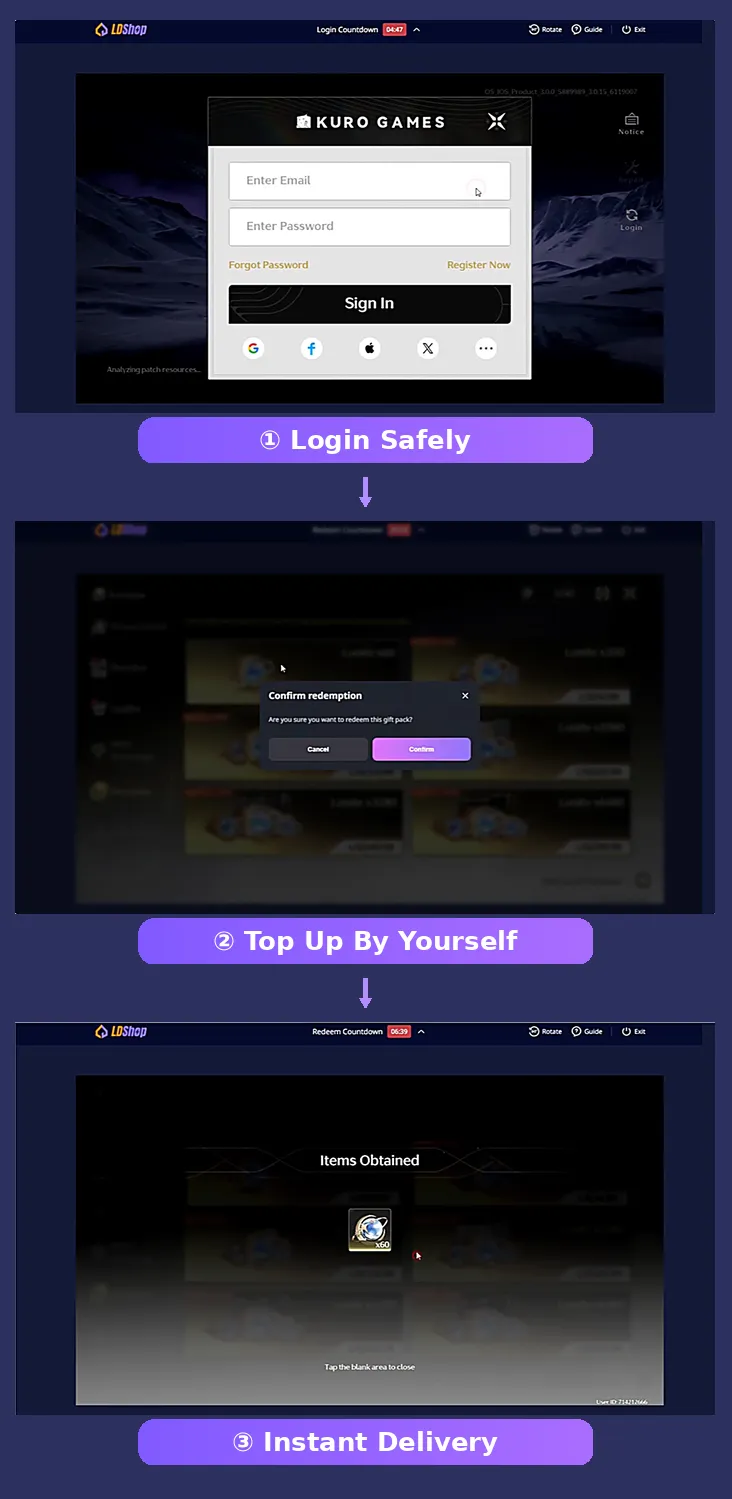
By the end, you want a pick that changes your day-to-day runs, not just your spreadsheet. Choose the one whose loop you’ll enjoy repeating, then commit to the teammates that make that loop consistent. That’s where the “value” really shows up. If you’re planning to finish the banner and you’re a bit short, LDShop can help you top up Lunites smoothly and stay on schedule.
☛ Self Top-Up is now available ☚
Place your order now and select Self Top-Up
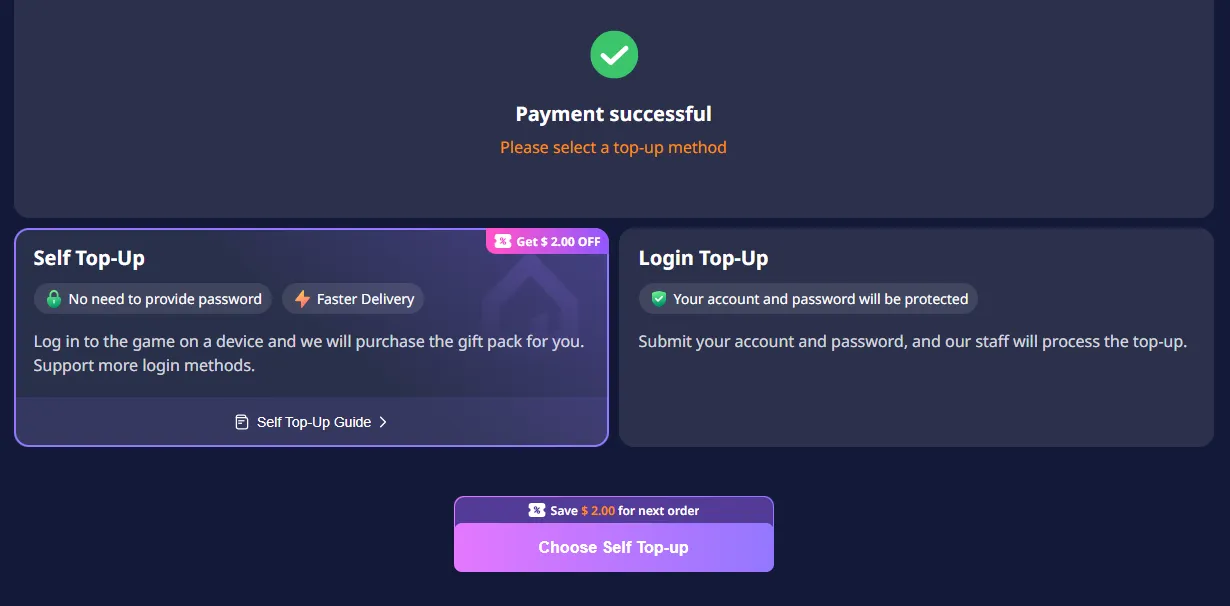






 TOP UP WUWA WITH DISCOUNT NOW
Henry Smith Experienced Game Editor
Greetings! I’m a veteran game editor and strategy guide creator with over a decade of experience exploring the worlds of action RPGs and gacha adventures. From the elemental battlegrounds of Genshin Impact, to the cosmic journeys of Honkai: Star Rail, and the fast-paced combat of Wuthering Waves, I dive deep into the mechanics, meta, and moments that define each game. What can you expect? In-depth guides, expert commentary, and practical insights to sharpen your gameplay and expand your understanding of the titles you love.
![[New User Exclusive] Lunite Subscription | WUWA Top Up](https://shop.ldrescdn.com/rms/ld-space/process/img/72f6fe93cfa245fda267f4ee404826c21789636885.webp?x-oss-process=image/resize,m_fill,h_160,w_160)